
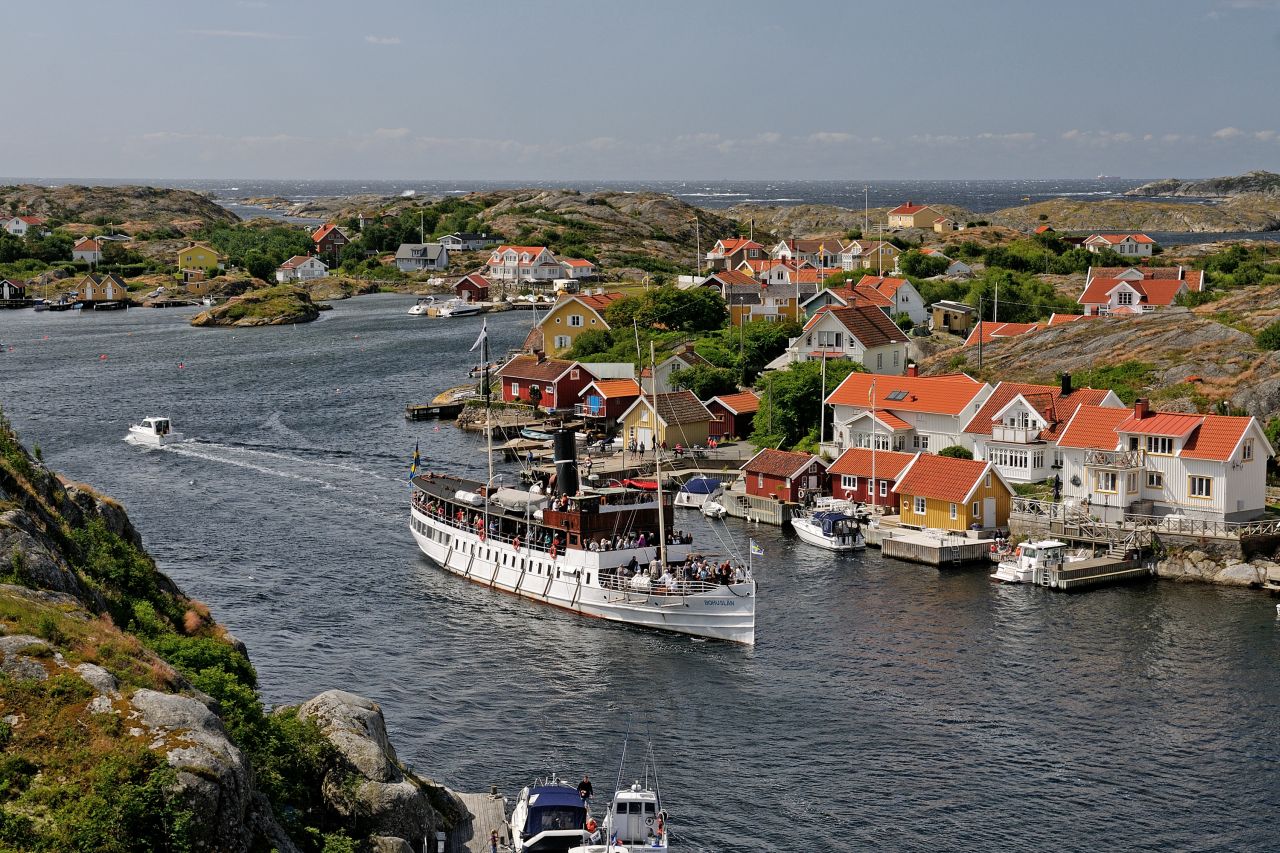
Discover Gothenburg and West Sweden, the Scandinavian region which is a perfect destination for a slow travel summer, among granite archipelagos, boundless lakes and fishing villages.
There is an hour of the day, in Western Sweden, when light rests on the water with a almost liquid delicacy, and time seems to slow down until it stops. It is the time when fishermen fall into the small painted wooden ports, the air smells of salt and pine, and the only noise is that of the seagulls and the wind between the reeds. While South Europe mouths below increasingly roaring summers, here, between the jagged coasts of Bohuslän and the shores of the great lakes of Västergötland, there is another dimension: fresh, bright, deeply regenerating.
The Western Sweden is a region that seems tailor-made for those looking for a different journey, away from the queues and mass flows. Its generous geography interweaves jagged coasts, hardwood forests, lake landscapes and vibrant cities in a mosaic that you can explore calmly, without haste, letting yourself be guided by curiosity more than by a rigid itinerary. One day between the rooms of a museum, the next to pedal along country roads lined with glittering lakes, or to do island hopping between fishing villages where time seems to have stopped in the Fifties. This is the charm of slow travel scandinavo: the possibility to breathe, to observe, to be surprised.
The ideal starting point is Gothenburg, the second city of the country: lively, cosmopolitan, but man-made, with everything within walking distance. From here, in just over an hour, you find yourself immersed in the wild nature of an archipelago, or, with a short train journey, in front of a perfectly preserved 18th century castle or a mural that transforms an anonymous facade into an artwork. Further, a couple hours away, wait large lakes Vänern and Vättern and the deep forests of Dalsland, where nature becomes even more authentic and silent.
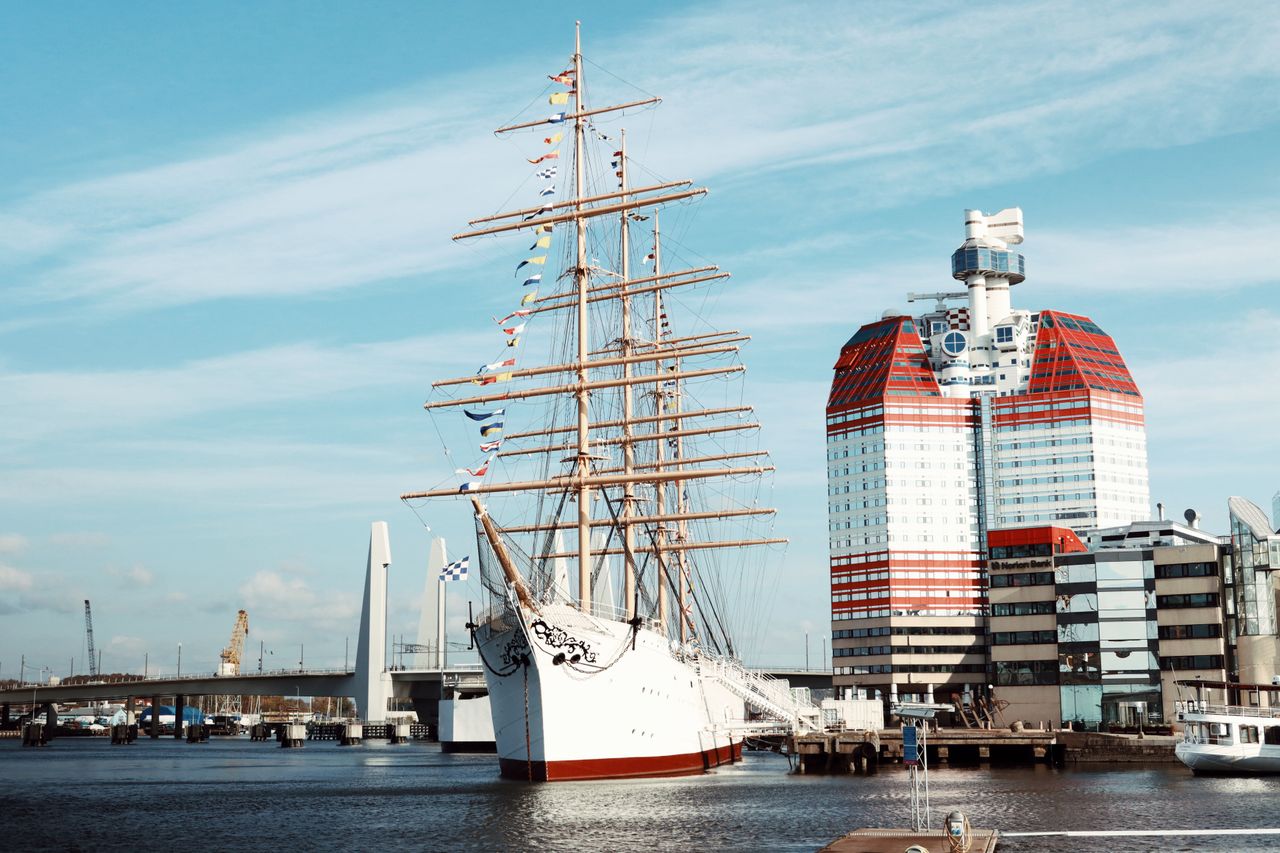
So let's start to discover Western Sweden, leaving us enveloping from its slow pace and unmistakable light.
Index of Article
Island hopping in the Gothenburg archipelago
It takes an hour of tram and boat from the city center to enter another world. The Gothenburg archipelago opens as a fan of pink granite islands, some uninhabited, others animated by small communities living there all year round. In South Island without Car – Brännö, Styrsö, Donsö and Vrångö – walks on foot or by bike between fishing villages painted in the shades of ocher and red, paths that smell of erica and sea, quiet bays perfect for a kayak ride.
The ideal ritual includes a refreshing bath from the cliffs, a stop in an informal coffee to taste freshly fished crustaceans, and finally a sauna overlooking the sunset, while the sun slowly slides behind the pink rocks of the horizon. For those who want to extend the stop, the authentic hospitality of addresses such as the Brännö Värdshus, the Isbolaget in Donsö or the Kusthotellet in Styrsö offers almost absolute silence nights.
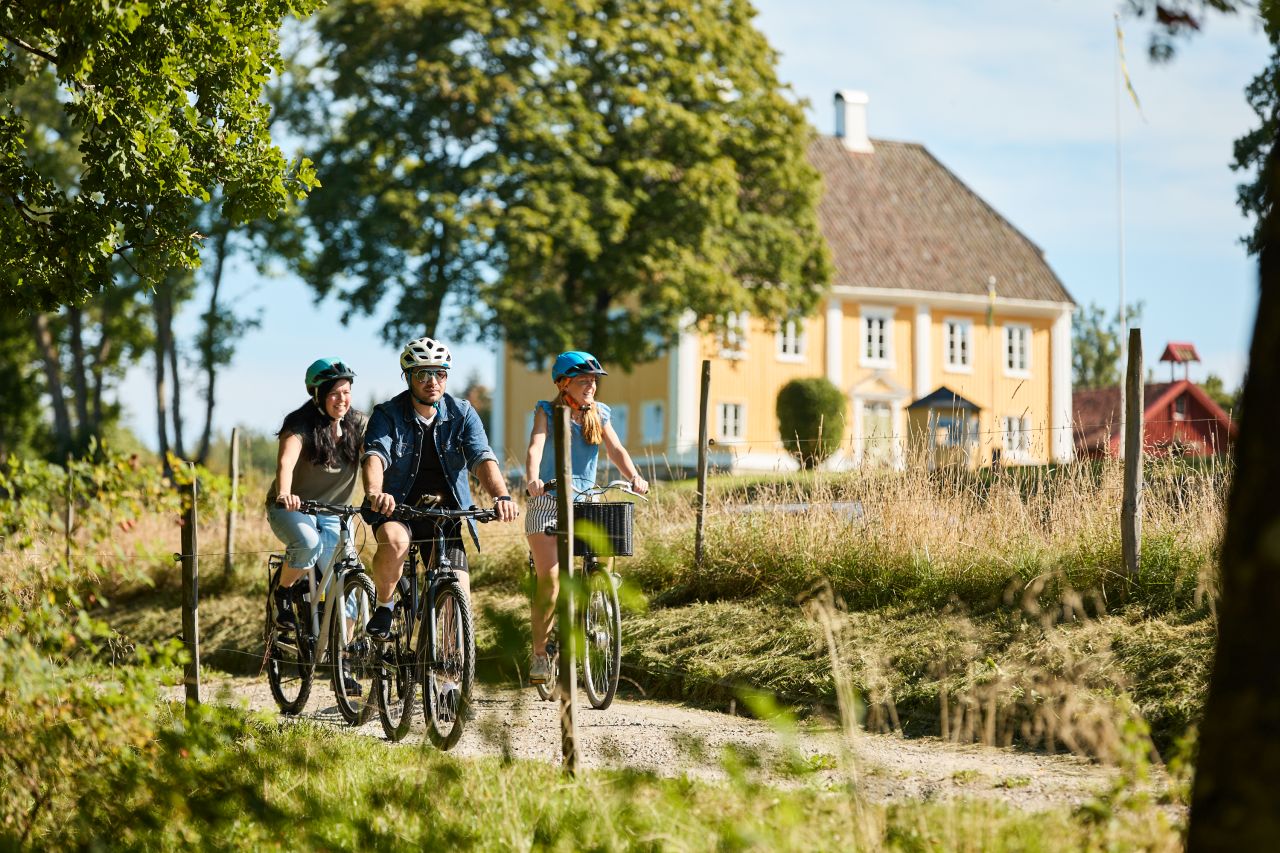
Cycling along the Vänerleden, around Sweden's largest lake
For those who love slow travel by definition, Vänerleden is a perfect invitation: a national cycle track of 640 km which embraces the Vänern Lake, the largest in Sweden. You don’t need to go through it all: it takes a few steps to enjoy the atmosphere, especially in the stretch that crosses Västergötland and Dalsland, where water meets historical villages and rural landscapes from postcards.
A good starting point is Vänersborg, one hour by train from Gothenburg, from which the south-eastern stage winds towards Lidköping and Mariestad, two between the best preserved historical centers of the country. In Lidköping, home of Rörstrand, the oldest porcelain manufacture in Europe, this year we celebrate the 30th anniversary with a large exhibition at the dedicated museum. From here it is worth turning towards the picturesque fishing village of Spiken and towards the majestic baroque castle of Läckö, overlooking the water as in a fairy tale. Not far away, the spectacular quarry of Kinnekulle, part of a UNESCO biosphere reserve, offers glimpses of rare geological beauty.
Nordic Noir: on the trail of Camilla Läckberg in Fjällbacka
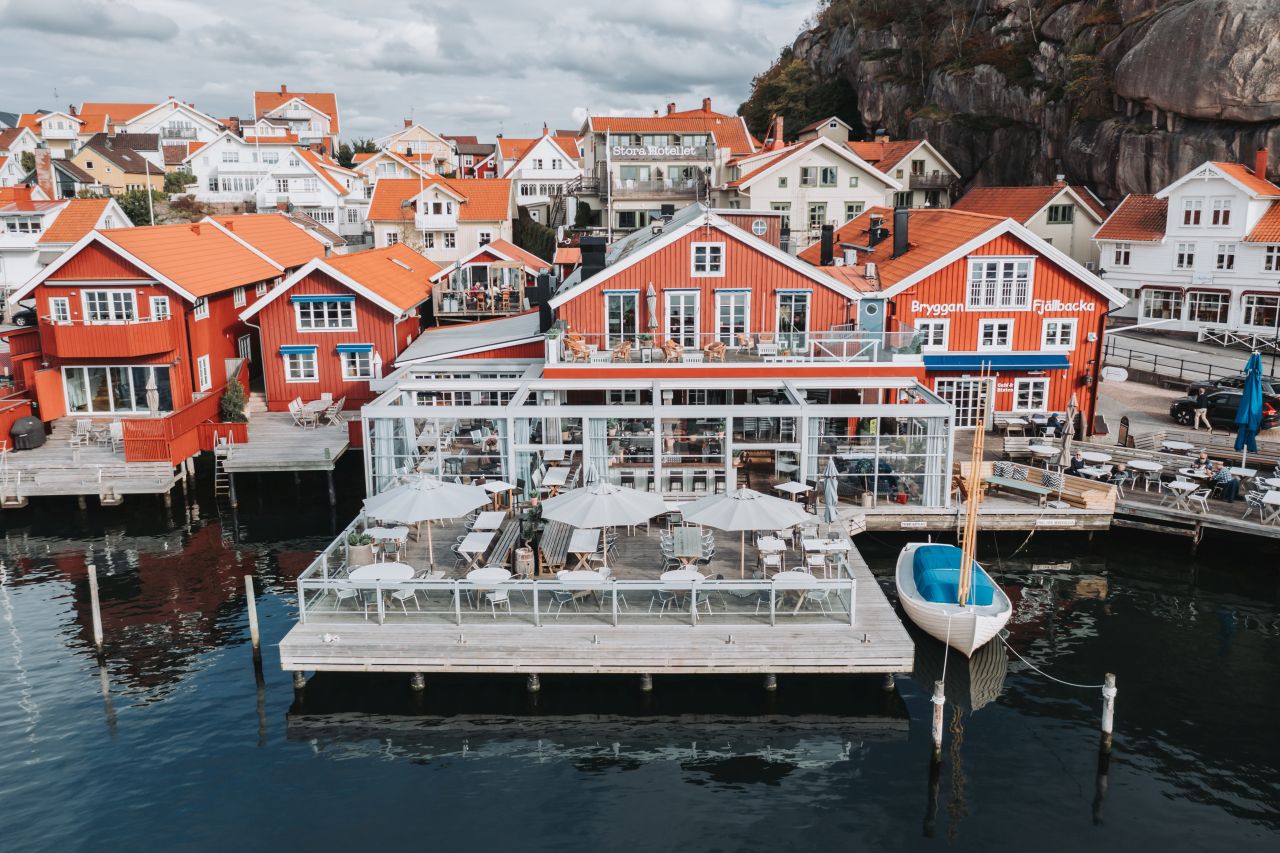
For lovers of Scandinavian novels, the Bohuslän is sacred land. In October 2026 the last chapter in Italy will arrive saga of Camilla Läckberg, set right here, in Fjällbacka, one of more iconic villages of Nordic Noir. The colorful wooden houses that climb on the rock, the marina, the dark cliffs that plunge into the sea: everything closely resembles the dark and fascinating atmospheres of its books. Guided literary walks lead visitors through the cobbled alleys, to discover the places that inspired the author.
Not far away is one of the most suggestive archipelagos of SwedenFor years Ingrid Bergman summer refuge, now exploreable with boat trips, safari to discover seals and crustaceans, or relaxing stays at the remote islands Väderöarna, the extreme western flank of Sweden. Other authors have also found inspiration in these landscapes: Marstrand Island is the background to Ann Rosman's novels, while Gothenburg is the Inspector Erik Winter's inquiries, protagonist of the series of Åke Edwardson.
Between street art and giant sculptures, a journey into open-air art
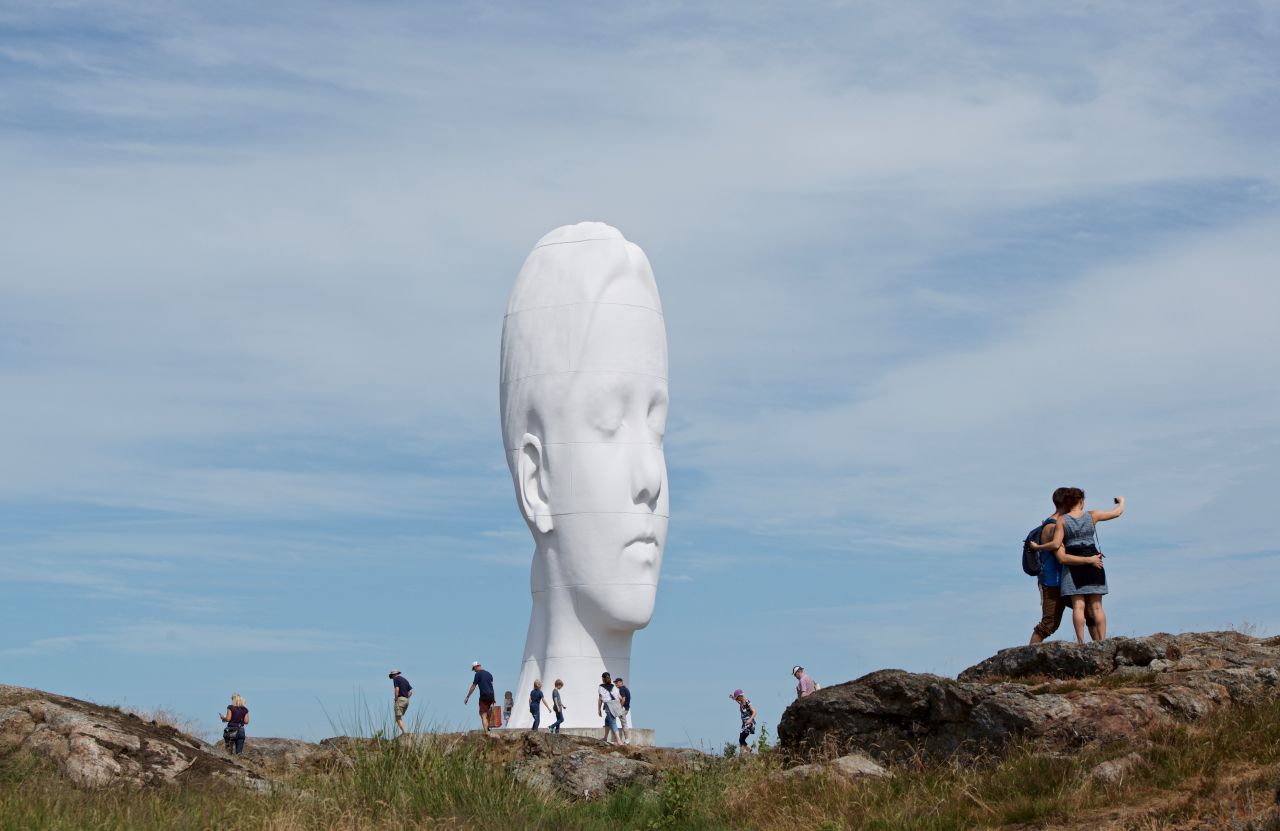
Western Sweden also surprises its artistic scene, spread far beyond the borders of Gothenburg. On the island of Tjörn, among sweet pastures dotted with sheep, the sculptural park Sculpture in Pilane celebrates twenty years with an exhibition dedicated to the famous British sculptor Tony Cragg (until September). Here it dominates "ANNA", the imposing figure 14 meters high signed by Jaume Plensa, now symbol of the place. Not far, overlooking the sea in Skärhamn, the Nordic Museum of Watercolor will host in the summer 2026 a great retrospective on Asger Jorn and Per Kirkeby, two Danish masters of the second post-war period.
The artistic path continues between Gothenburg and Borås, which together preserve over 250 murals en plein air. Borås, in particular, is a true open-air gallery, with about 120 sculptures, installations and murals scattered in its streets. Until 27 September 2026 the city hosts its ninth Art Biennale, where twelve international artists will explore textile history and contemporary identity through works distributed throughout the centre. From Gothenburg, it takes less than an hour of train or bus to reach it.
Sweet trekking in Kosterhavet National Marine Park
For those seeking silence and unspoiled nature, the Koster Islands, just south of the Norwegian border, guard the Sweden's first marine park: the Kosterhavet, the area with the country’s greatest biodiversity. On the main island, Sydkoster, the paths cross a changing landscape made of open pastures, coastal grasslands, fragrant woods of resin and rocks smoothed by the sea. Visitor centre Naturum Kosterhavet tells the extraordinary richness of the marine ecosystem, while a guided snorkeling path allows you to explore the seabeds just over a meter deep, between waving algae and small silvery fish.
From Sydkoster, a short ferry ride leads to Nordkoster, where the paths continue between moorings, mixed woods and almost deserted coastal routes. The rooms, mainly concentrated in Sydkoster, range from small hotels and apartments to cottages and campings immersed in nature. The islands can be easily reached by boat from Strömstad, less than two hours from Gothenburg.
How to get there and move
Reaching the Western Sweden It's easier than you think. Between March and October, Ryanair directly connects Rome and Milan to Gothenburg; in the rest of the year, or starting from other Italian airports, a short stop is enough. Alternatively, you can fly to Stockholm or Copenhagen and continue by train to Gothenburg, on a scenic journey of about three hours and a quarter.
Once on site, the region explores with great ease thanks to an efficient network of trains and buses, or by renting a car to move more freely between coastal villages, islands and remote corners of the hinterland. In any case, the real key to enjoying Western Sweden is only one: slow down, and let yourself be guided by the landscape.

