
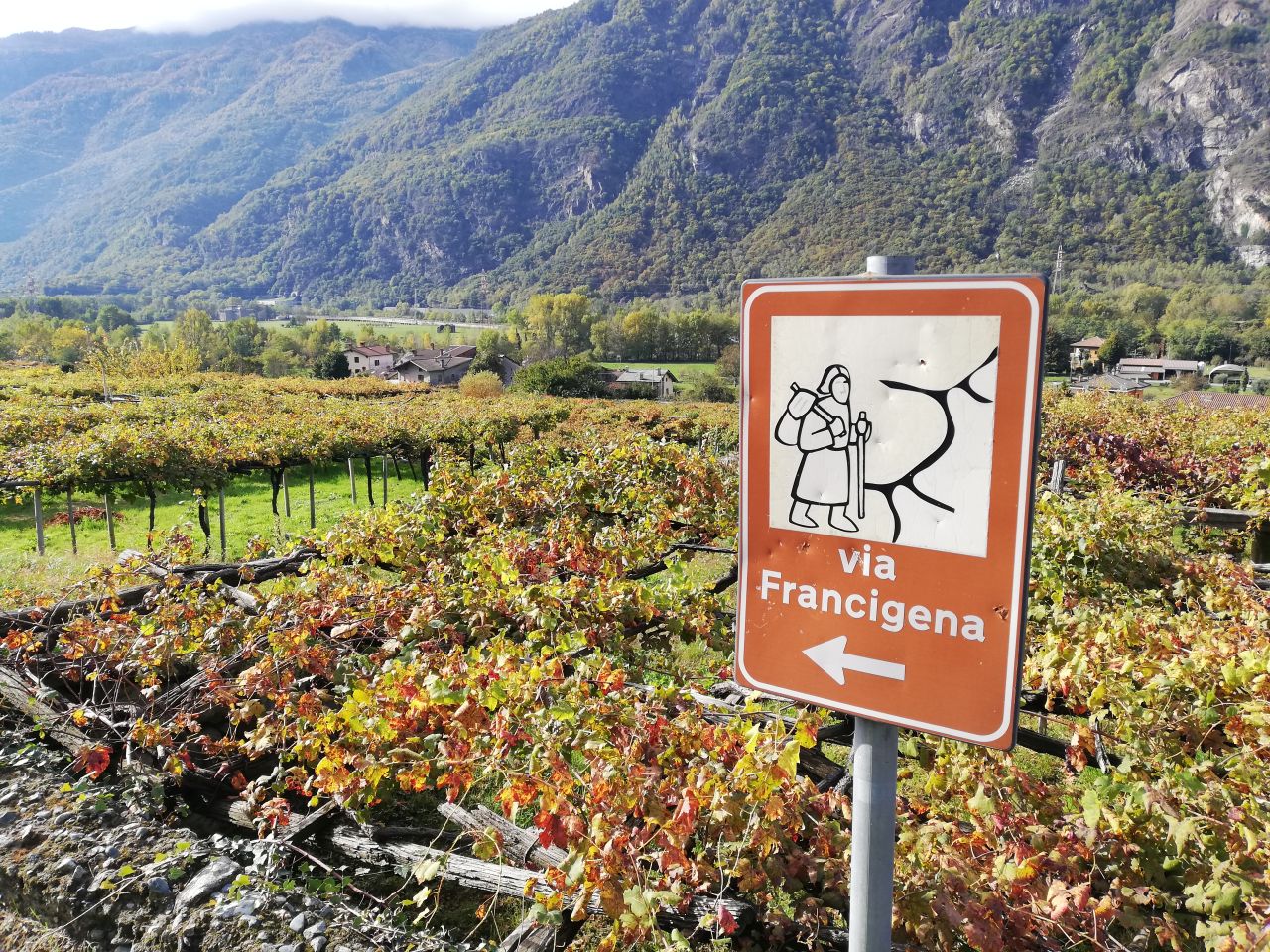
From the mountain passes of the Susa Valley to the Morainic amphitheater of Canavese, a journey along the Via Francigena Piemontese between faith, nature and slow tourism.
There is something profoundly evocative about walking along a road that for centuries has seen pilgrims, merchants and travellers going to Rome. The Via Francigena (literally "road from France"), one of the great European slow tourism itineraries that crosses the heart of Piedmont, is not simply a hiking route. It is a journey through history, which allows you to rediscover extraordinary landscapes, silent villages and architectural testimonies that tell a thousand years of European spirituality and culture.
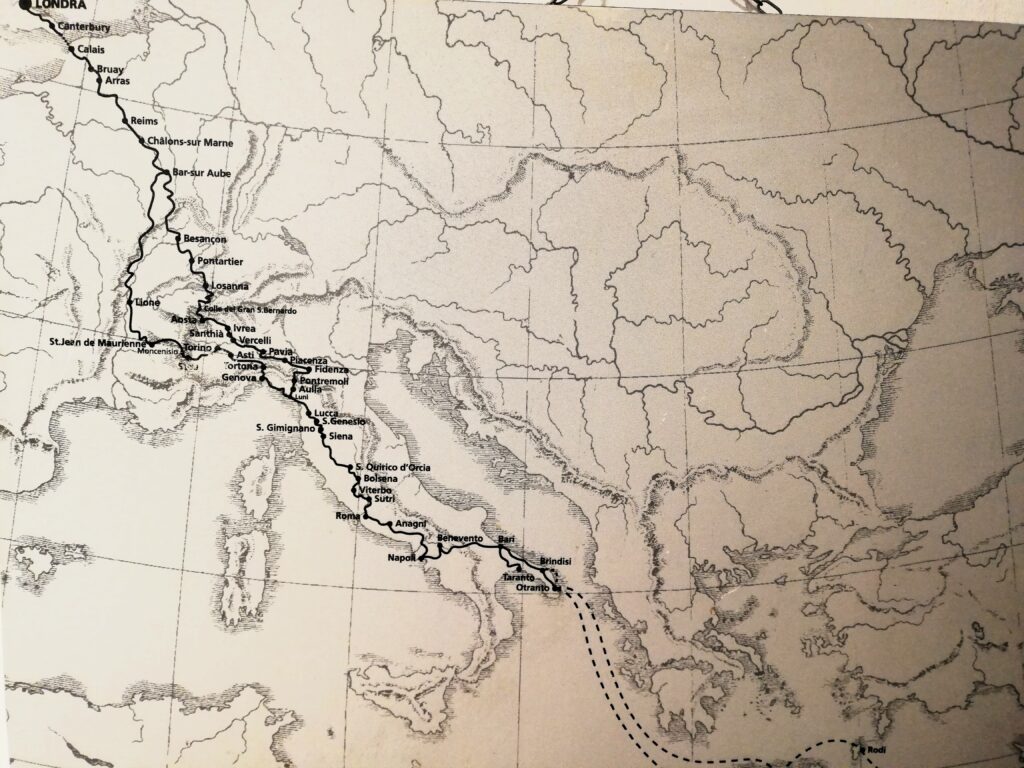
When in 990 Archbishop Sigerico of Canterbury He began his return from Rome, meticulously announcing in his diary the stages of the journey, he did not imagine that he was tracking what would become one of the most important pilgrimage routes in Europe. His path, today recognized as Great European Cultural Route from the Council of Europe, continues to live, reinvented for those who love conscious walk, authentic discovery of places and direct contact with nature and people.
Index of Article
The Via Francigena in Piedmont, a journey between history and nature
Since always, Piedmont is the gateway to the peninsula for those who cross the Western Alps, passing from valics of the Grand San Bernardo, the Moncenisio and the Monginevro, which shaped not only the geography of pilgrimages, but also the culture and identity of the territories crossed. And it is precisely in this region that Via Francigena reveals all its complexity. Not a single road, but a lattice of variants interwoven, separate and rejoin for hundreds of kilometers, touching dozens of distributed municipalities between the provinces of Turin, Vercelli, Biella, Asti and Alessandria, and crossing four natural parks.
From the alpine peaks to the Po plain, from the hills of Monferrato to the Romanesque abbeys that punctuate the vercellese countryside, it is all an invitation to slow down, to taste with all the senses the landscape and the stories it holds. Along the way, art and spirituality merge with nature in emblematic monuments such as Sacred of San Michele, who tell the depth of this itinerary.
Where every stone speaks of faith, hospitality and culture. Every stopover becomes a meeting, with a Romanesque church isolated among the fields, with a vineyard offering a glass of good wine, with a stretch of road that still preserves the grooves left by the pilgrims of the past.
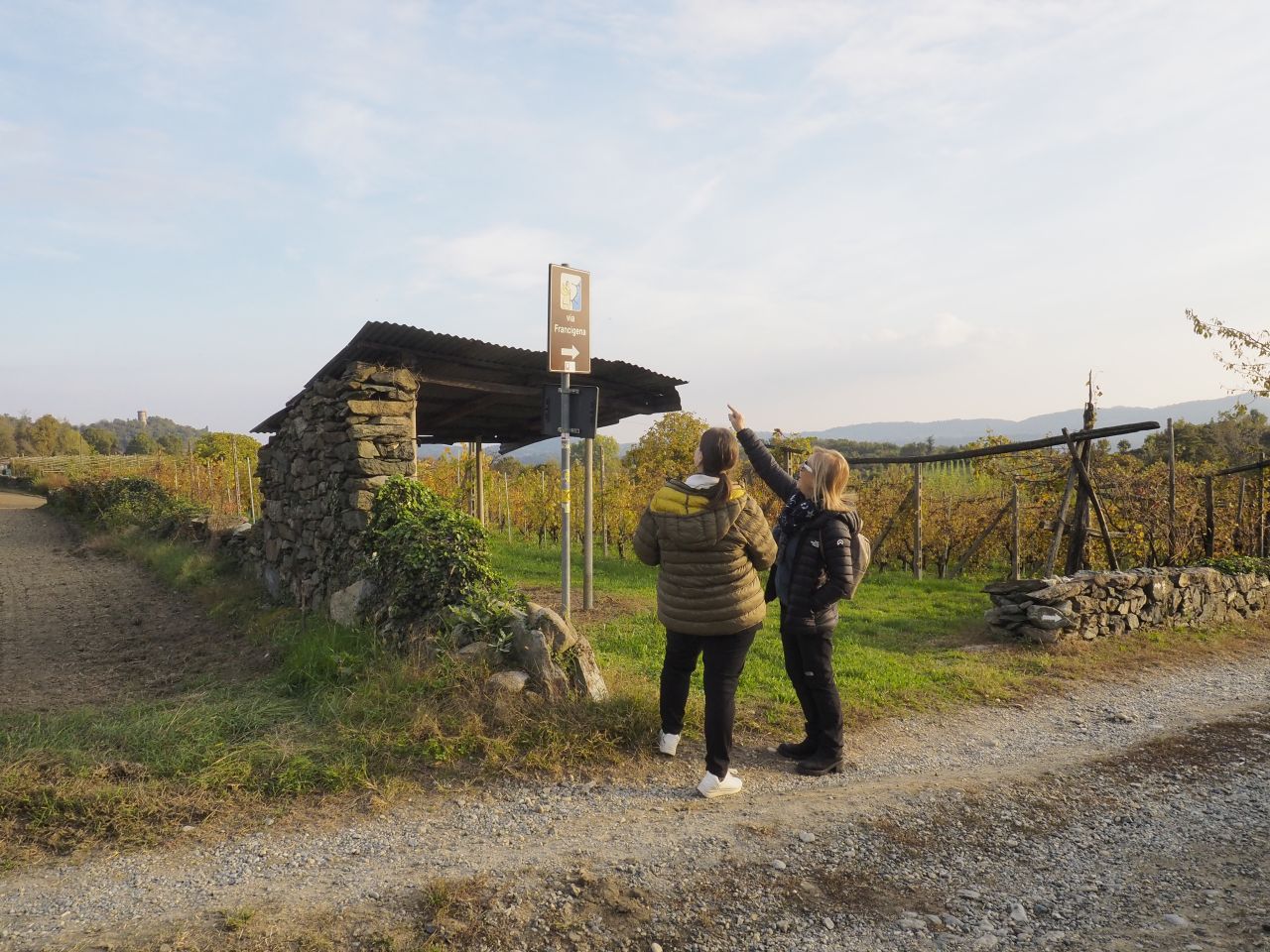
The Via Francigena morenico-canavesana
The main director of the Via Francigena in Piedmont develops for about 65 kilometers through 10 municipalities, accompanying walkers from the border with the Aosta Valley to the vercellese plain through the Canavese and the spectacular scenario of the Morenic Amphitheatre of Ivrea, one of the geological conformations of glacial origin best preserved in the world.
This stretch is an immersion in landscapes of extraordinary variety, in a continuous alternation of crystal-clear lakes, small hilly villages, secular woods and terraced vineyards that recall that this is also land of great wines. The journey coincides in fact for long stretches with Royal Road of Turinese Wines, offering the opportunity to taste renowned wines such as Carema Doc, Canavese Rosso, Erbaluce and the precious Passito di Caluso, stopping in osteries that perpetuate ancient food and wine traditions.
The Via Francigena of the Susa Valley
Since ancient times, the Via Francigena della Valle di Susa has been one of the privileged links between Italy and the Oltralpe. The pilgrims coming from the hills of Moncenisio and Monginevro found here a natural corridor to the Po Valley, following traces that root in the Roman era and beyond. Coming down towards Susa they stayed at the Abbey of Novalesa, a place of spirituality and culture where the Benedictine monks have preserved for centuries medieval knowledge, or in the fortified village of Exilles, dominated by the imposing fort.
Symbolic furrow of this itinerary is represented by majestic Sacra di San Michele, the abbey perched on the Pirchiriano mountain that dominates the valley from almost a thousand meters high, a short distance from the place where, in 773, the legendary battle between the Franks of Charlemagne and the Longobards of King Desire was fought. The route culminates in the Abbey of Sant’Antonio di Ranverso, a privileged place for the hospitality and care of pilgrims, where you can still admire beautiful late Gothic frescoes.
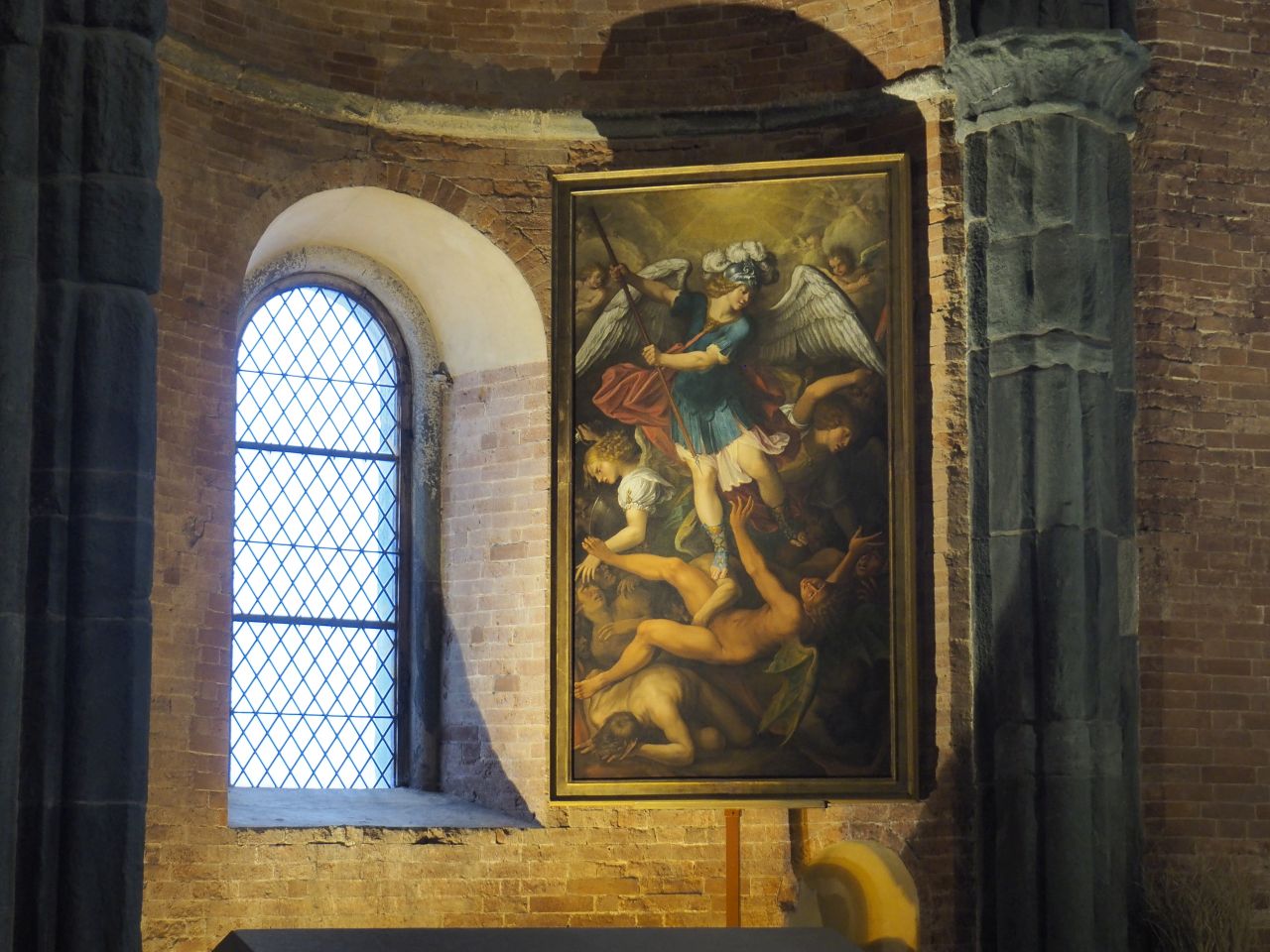
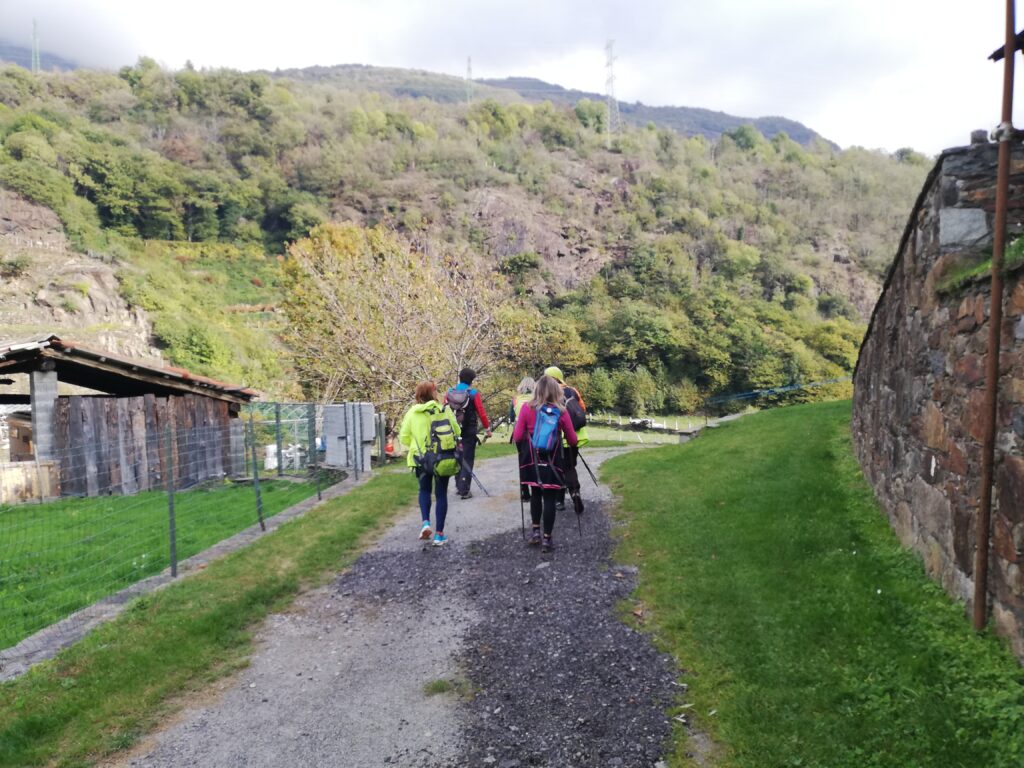
For those who love adventure and less beaten paths, there is also the evocative variant of the Sentiero dei Franchi that in about 60 kilometers leads from Oulx to the Sacra di San Michele, through the Natural Park of the Gran Bosco di Salbertrand and the Orsiera Rocciavrè Park, in a succession of ancient villages, sacred architectures and an extraordinary biodiversity.
The Via Francigena from Turin to Monferrato, and beyond
After passing the Susa Valley, the path enters the heart of Piedmont, crossing Turin and then following the course of the Po towards the east. This segment, which connected Rivoli, Turin and Chivasso, acquired a significant strategic value in the Middle Ages. Between Santhià and Vercelli there was in fact the crossroads where the pilgrims from the two great directors, that of the Susa Valley and that of the Aosta Valley through the Canavese.
The landscape changes radically, they leave behind the hills to enter a world of water. Those that in the Middle Ages were swampy lands and often flooded by the great river, have now become the stretches of the vercellese rice fields, the famous "sea a quadretti" that in the sowing season is transformed into a mirror of water dotted with gauze and herons.
In this plain, the importance of the Via Francigena is witnessed by religious foundations of extraordinary value such as the Abbey of Santa Maria di Lucedio, a Romanesque jewel surrounded by rice fields. From here, the Via Francigena is biforca again: a segment goes south, towards Asti and Alessandria, following the gentle hills of Monferrato, the other continues towards Pavia, for rejoining the ancient itinerary of Sigerico. On both sides there are monasteries, churches and forests that in the Middle Ages guaranteed refreshment to travellers, places that today live as farms, hostels and cultural centers, symbols of a new hospitality that combines history and sustainability.
An invitation to travel on the Via Francigena in Piedmont
This article is just a starting point, an invitation to walk with the backpack on the shoulder, on foot, by bicycle, on horseback, as you like. Some of the most picturesque routes of the Via Francigena in Piedmont will be protagonists of a series of upcoming articles, in which we will lead you, stop by stage, to discover the Vaie-Avigliana traits of the Via Francigena della Valle di Susa, Carema-Ivrea and Ivrea-Viverone della Via Francigena morenico-canavesana, between Moorish lakes, medieval villages and gastronomic traditions of excellence.
Because Francigena is not only a path to go, but a story to listen step by step, and Piedmont, with its discreet and surprising beauty, is one of the best places to start this story. Prepare the backpack: adventure is about to begin.

