
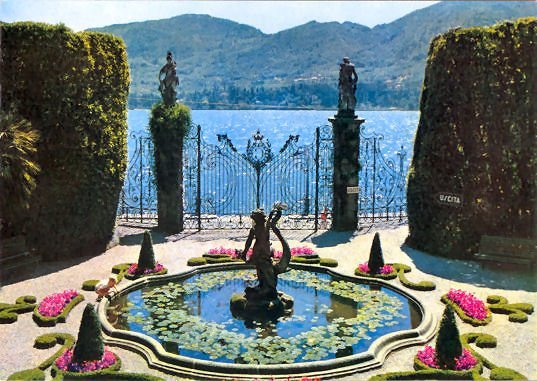
November can be the best month of the year to take the opportunity to visit some of the beautiful gardens present in Lombardy, real hidden treasures able to give visitors unique emotions. Taking advantage of the last sunny days and only a few kilometers away from the big towns you can discover small gems immersed in the green, fruit of centuries of care and attention able to preserve in time one of most precious treasures in Italy. Thanks also to Grandi Giardini Italiani, an association founded in 1997 with the intent to gather among the most important national landscape resources, today it is really easy to know which historic villa is around the corner and start planning a breathtaking view.
Besides, there garden culture has in Italy ancient origins. He became famous especially during the Renaissance, when he possessed one of the most sought after charms of the nobles of the time, the so-called "Italian garden" owes his fortune to the rational organization of spectacularly orchestrated spaces, symbol of the rational power of man exerted on nature. Centennial trees, exotic plants and fountains created by renowned artists of the time transform these green areas into the most striking image of the great cultural flowering that had involved the entire peninsula.
Around the 18th century the French aristocracy has given ample breath to this tradition, calling experts architects of the landscape Italians to create new works designed to fascinate the Illuminist monarchs through the changing language of these wide stretches luxuriant. It is in this period that the Italian garden is to have to compete with the "English" variant, loved especially by romantic poets, who abandons the geometric approach in favor of a nature left uncultivated and free to express itself in all its magnificence.
Among all the regions of the Bel Paese, Lombardy stands out especially for the large number of villas and gardens open to the public. Not by chance it is among the preferred areas by foreign visitors passionate about Horticultural Tourism, a recent trend developed in parallel with the other green philosophies who ended up transforming fashion into something ethically responsible. It could be useful, therefore, to review four of the most picturesque public gardens of Lombardy.
Villa Carlotta Loved also by the famous French writer Gustave Flaubert, Villa Carlotta stands on the shores of Lake Como, giving it an exceptional location to enjoy unique views in the world. Strongly wanted at the beginning of the 18th century by the Milan banker Giorgio Clerici, the villa occupies an area of over 70,000 square meters, where it is possible to closely observe a floral richness that attracts tourists every year from all over the world. In spring the park hosts a large number of events related to the period flowering of azalee and rhododendron.
Villa Arconati
For all art lovers Villa Arconati is the ideal stage: in addition to hosting a wide variety of plants linked to the Lombard territory, such as castegno and the Beech, the landscape of the park is dotted with statues, fountains and theatres that allow to space from the Baroque to the nineteenth century. In addition, in some periods of the year you can attend classical and modern music concerts or take part in guided tours within the historic buildings.
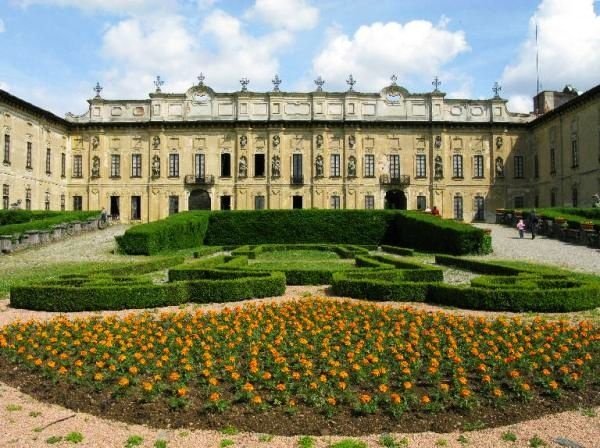
The celeberrima residence of Gabriele d’Annunzio is one of the must-see destinations in the panorama of natural beauty lombarde: the Vate built a spectacular set of art, nature and history. Every year the park is involved in ordinary garden maintenance programs, to ensure visitors to experience the best possible experience within the magnificent structure.
Public gardens Indro Montanelli
Collocate in the heart of Milan, the gardens dedicated to the historic signature of Corriere della Sera are considered among the most beautiful of the Lombard capital. Built between 1782 and 1786 by the great architect Giuseppe Piermarini, who had already signed the Teatro della Scala, and restored in the course of the 19th century according to the cornerstones of the English garden, these uncontaminated and evocative spaces are still today among the favorites from the inhabitants in the area for relaxing walks in the shadow of the incredible variety of plants hosted in the park, as hippocastani, cypresses or the splendid specimen of platinum centenary.

