
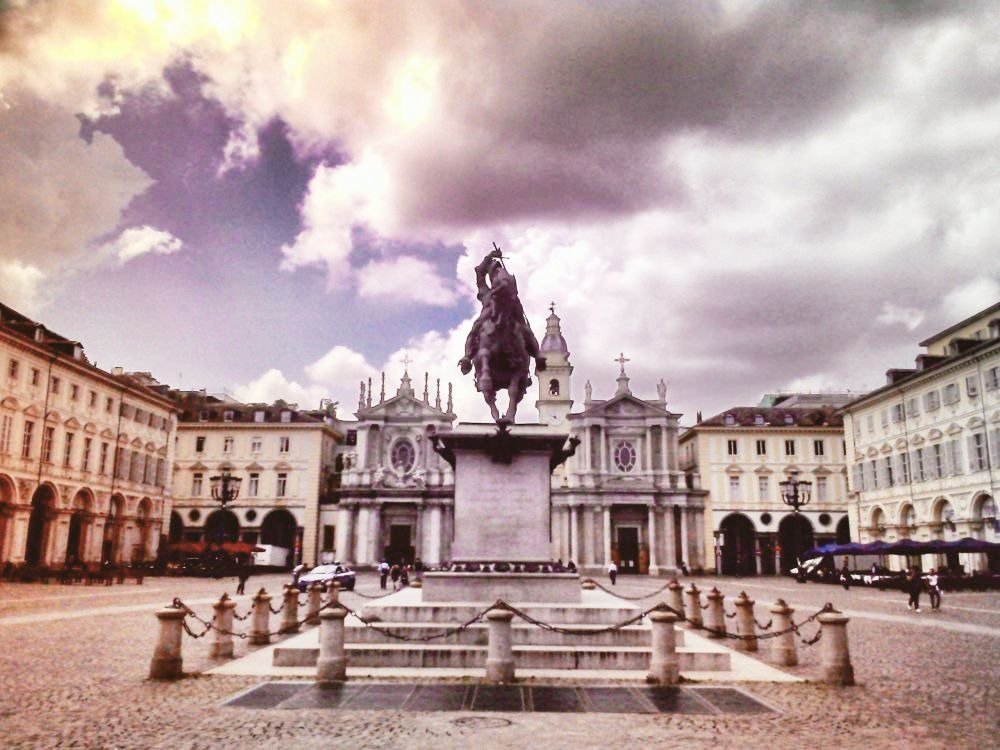
Today I made the tourist in my city and I must admit that rediscovering squares and palaces of my beloved city with a guided tour of Turin in the company of an expert guide was a truly immersive experience, as well as fun. Also because it was not an ordinary tour, but of a "lookalsexperience", i.e. a walk tour booked on Lookals, the platform that offers original and personalized tours throughout Italy with authorized local tourist guides.
Among the various Turin tour with Lookals available, I chose "Love at first visit", a route that would actually be more suitable for those who come to town for the first time and instead reserve unexpected surprises to those who, like me, have lived there forever.
After making deals by email, I meet Micol in Piazza Castello in a sunny June morning. For a couple of hours she will be mine Lookals guide between squares, palaces and monuments of Turin sabauda, enclosed in a quadrilateral of a few hundred meters where history has really been made, not only of the Piedmontese capital, but of the whole Italy.
And then, already that we are, we begin with some historical notes, just to orientate ourselves between the various epochs of the palaces that surround the square, emblem of the evolution of the city and the rise of the Savoy, that in the middle of the 1500 transferred the capital of the duchy from Chambery to Turin, which was little more than a village enclosed by the Roman walls.
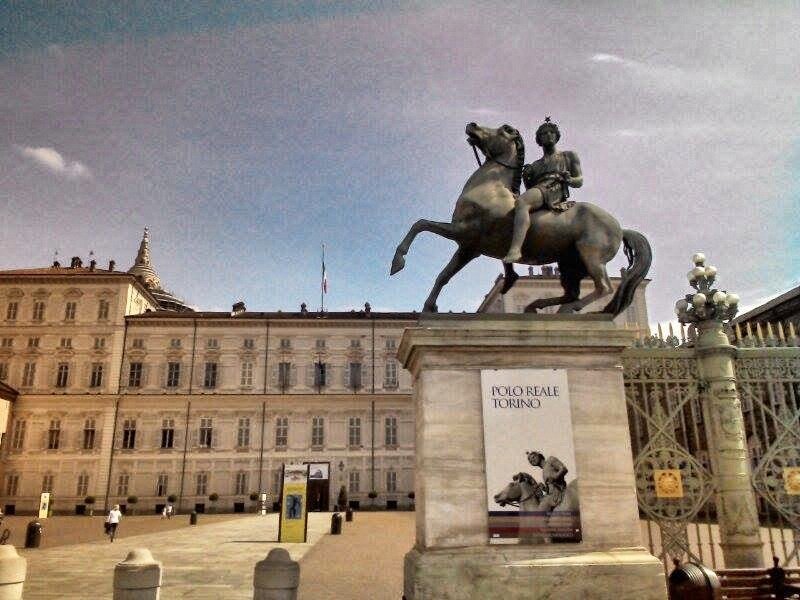
The Savoy settled in the Royal Villa, which was obviously not yet the splendid palace we see today. But even the Savoy had not yet acquired the royal title. They obtained it in 1713, when Vittorio Amedeo is crowned King of Sardinia and the square where we find it becomes the stage of their grandeur.
And speaking of stage, it is at that time that the Teatro Regio. What we see today unfortunately is not the original, destroyed by a fire in the last century and rebuilt in modern style. Not being a day of show, we cannot access the lobby, which we still admire through the deleted work by Umberto Mastroianni.
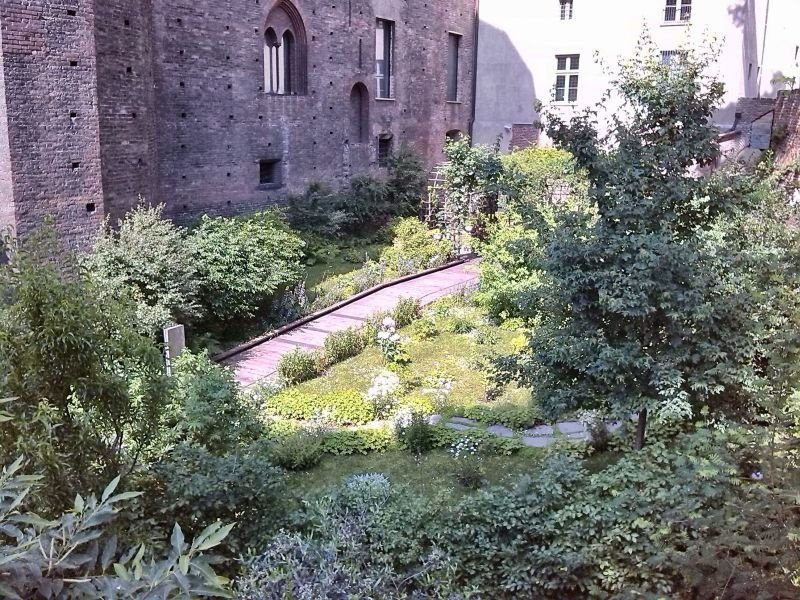
We reach the centre of the square to reach Palazzo Madama, from the curious medieval middle architecture and half baroque. The oldest part has maintained the appearance of the house with the old towers and the moat, where Micol points out that the medieval Garden of the Prince was recreated. We look out from the parapet and between the lush vegetation we see the walk of the Lord, the garden, the piglet for the courtyard animals and also a flyer: a corner of nature that I bet very few Turinese know.
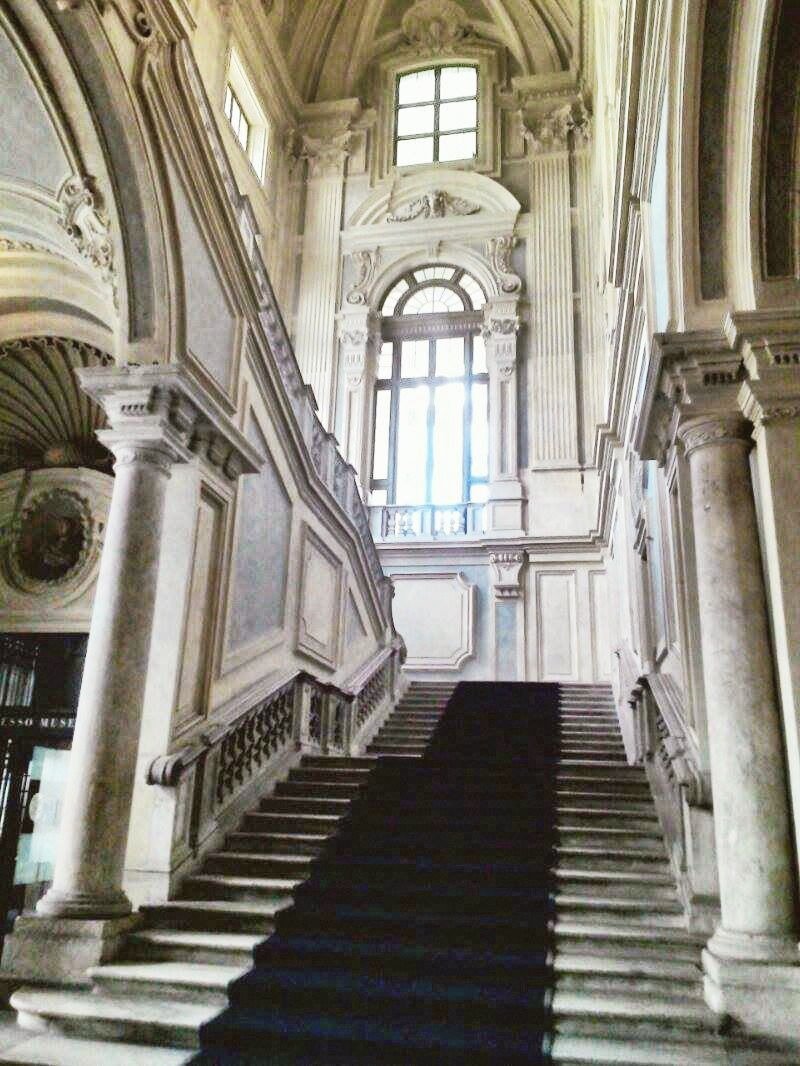
On the opposite side there is the elegant baroque façade, commissioned by the "Madame Reali" from which the palace takes its name, that is Christina of France and the daughter Giovanna Battista, who in the '600 transformed this branch of the palace into the center of the court world life. His dance hall was the setting of memorable parties and entering the lobby we can imagine ladies and knights who rise the imposing staircase of honor.
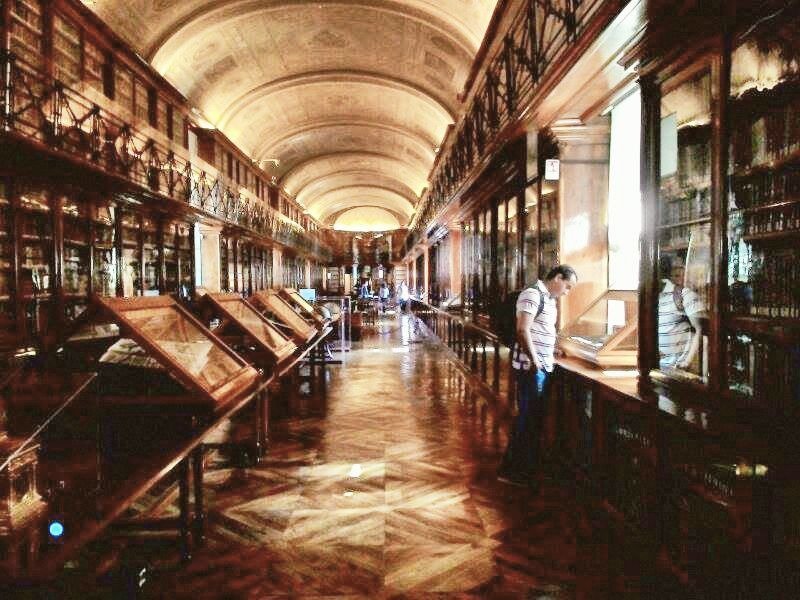
Cross the square, we enter the ovate atmosphere of Royal Library, which occupies the ground floor of the east wing of Royal Palace. Micol points out that the entrance is right under the famous window from which Carlo Alberto proclaimed the Albertino Statute in 1848, giving up absolute power. Inside, the environment is majestic, with walnut bookcases attached to the walls that contain something like 200,000 volumes, mostly ancient, including thousands of manuscripts, nightmares and parchments.
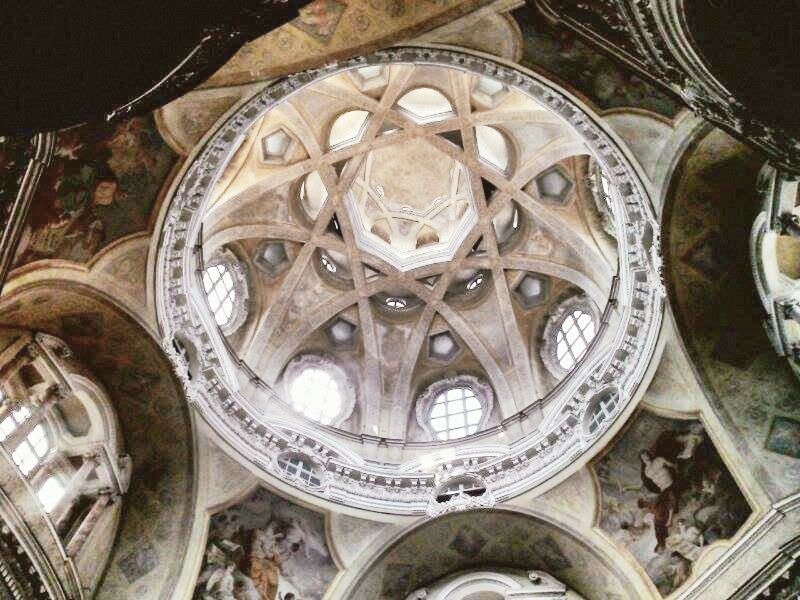
Coming out, we walk the erased that delimites the royal square and reach the Real Church of San Lorenzo. It does not have a real façade, so it can happen not to notice it, but the interior in compensation is a real wonder, work of the court architect Guarino Guarini, the same as the Chapel of the Shroud of the Cathedral. And right here, in the chapel of the Addolorata, the sacred roof was kept for a certain period that according to tradition took the body of Christ when, in 1578, he was moved by Chambery to be venerated at the end of a plague epidemic.
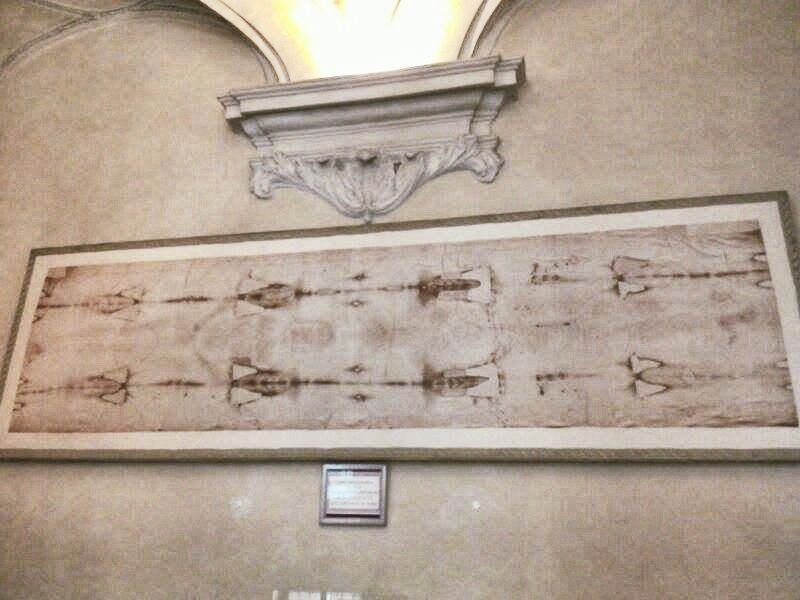
Then I follow Micol in the sacristy, where he shows me a copy on canvas of the sacred icon, always visible to the public unlike the original kept in the Cathedral, which instead is exposed only on the occasion of the abstentions.
However, surprises do not end here, because this beautiful central church also houses a "secret of light", which is revealed only on the day of the equinox of spring and autumn. It is then that the ray of sun that penetrates at noon affects the dome of the chapel to the right of the altar, illuminating a fresco that remains in the dark and invisible for the rest of the year. A phenomenon that has nothing magic, but is the result of the brilliant design of Guarini.
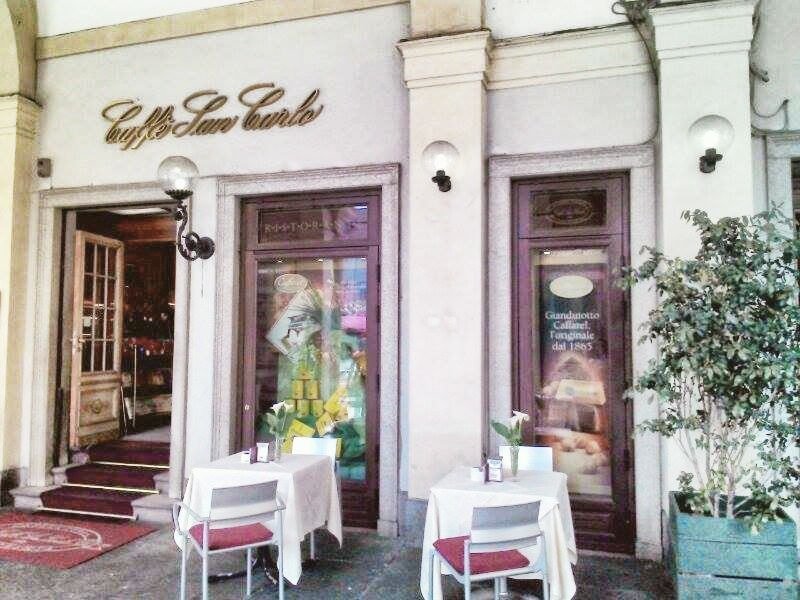
Then we walk via Roma to Piazza San Carlo, considered the good living room of Turin, on which some of the most famous historical cafes citizens. Like the Caffè Torino, already frequented by the royals of the house Savoia, who loved to taste their "bicerin" based on chocolate, coffee and cream between stucco and fireplaces, and Stratta, the confectionery that from the mid nineteenth century is fried by the coat of arms of supplier of the Real Casa.
We turn the corner and pass in front of the ancient College of the Nobles which today houses the Egyptian Museum, we come in Piazza Carignano, which takes its name from the imposing baroque palace that was the seat of the first Italian Parliament. Here, in addition to the Museum of the Risorgimento, you can visit the Baroque Apartments of the Princes, free admission, considered the most spectacular part of Palazzo Carignano.
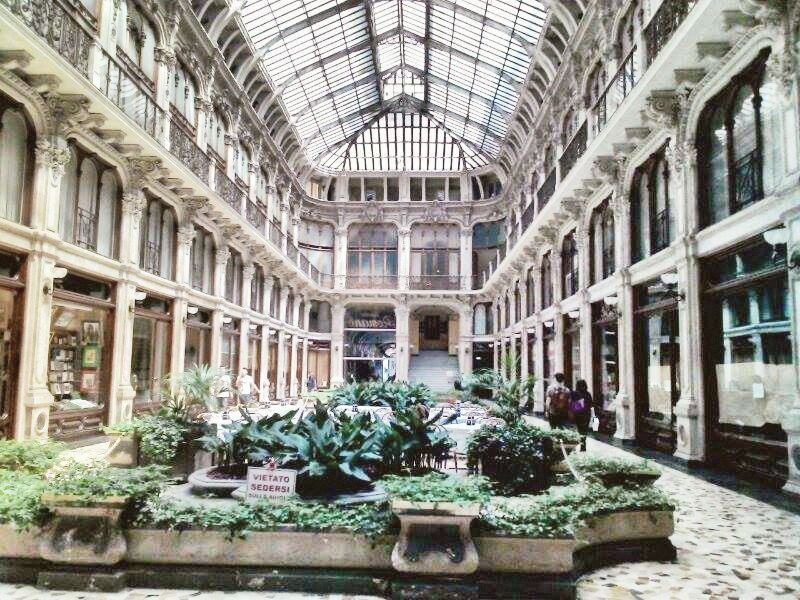
Leaving the building from the monumental entrance of Piazza Carlo Alberto, we enter the elegant Subalpina Gallery with an unmistakable Art Nouveau style, one of the richest corners of the city center. It was built on the model of the English covered markets of the Belle Epoque to accommodate a cafè chantant, then became a cinema. On the other hand, they preserve the style of the time the rooms of two other historic cafes, Baratti & Milan, overlooking the gallery's avenue, and Mulassano, which is just further away, in Piazza Castello, where our tour ends.
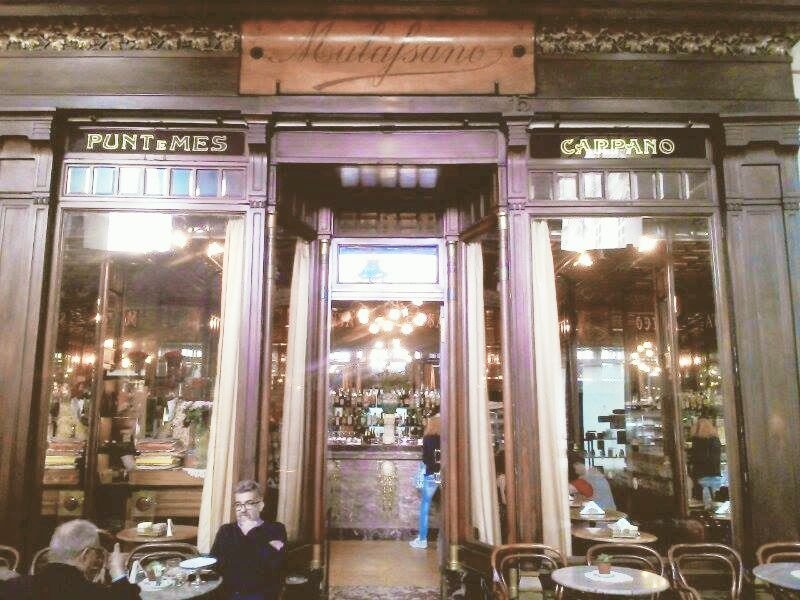
It is time to say goodbye, but (though it is also time for lunch) not before having tasted one of the famous Tramezzini of Mulassano who, as a plaque on the counter, were invented here in 1926.


Adoro le visite guidate di questo tipo, si scoprono cose super interessanti sulla propria città!