
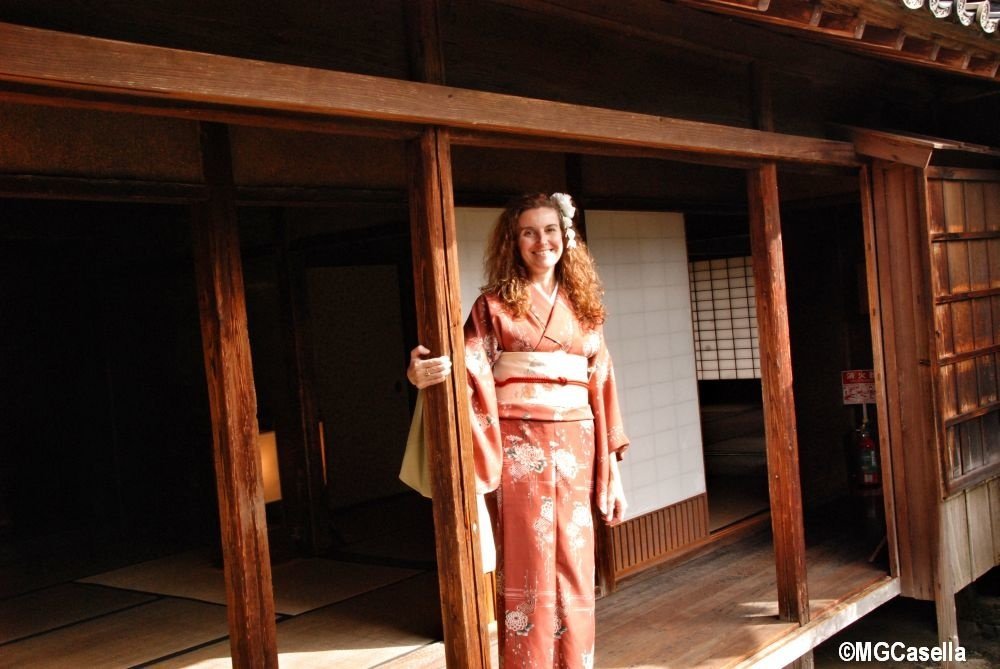
What to see in Kyushu, the southernmost island of Japan: 10 attractions not to be missed and things to do during a trip to this still little known part of the country of the Levant.
My first travel to Japan brought me to the discovery of Kyushu, practically the Sicily of Japan, and not so much to say. If the parallel seems to you, you must know that not only the Kyushu It is considered the birthplace of the Japanese civilization, but that here there is also the highest concentration of active volcanoes of all Japan and there are still many traditions now disappeared elsewhere.
Index of Article
What to see in Kyushu
1. Relax in the onsen of Beppu
After an intercontinental journey lasted over 20 hours, a bit of well-deserved relaxation there is everything. It's no coincidence, so if the first stage of my trip is Beppu, one of the most famous spas of Japan, where you can experience the typical Japanese experience of onsen. Surrounded by the Tsurumi volcano chain and therefore at the centre of one of the most active volcanic areas in the world, Beppu is perpetually wrapped in steam clouds out of the ground.
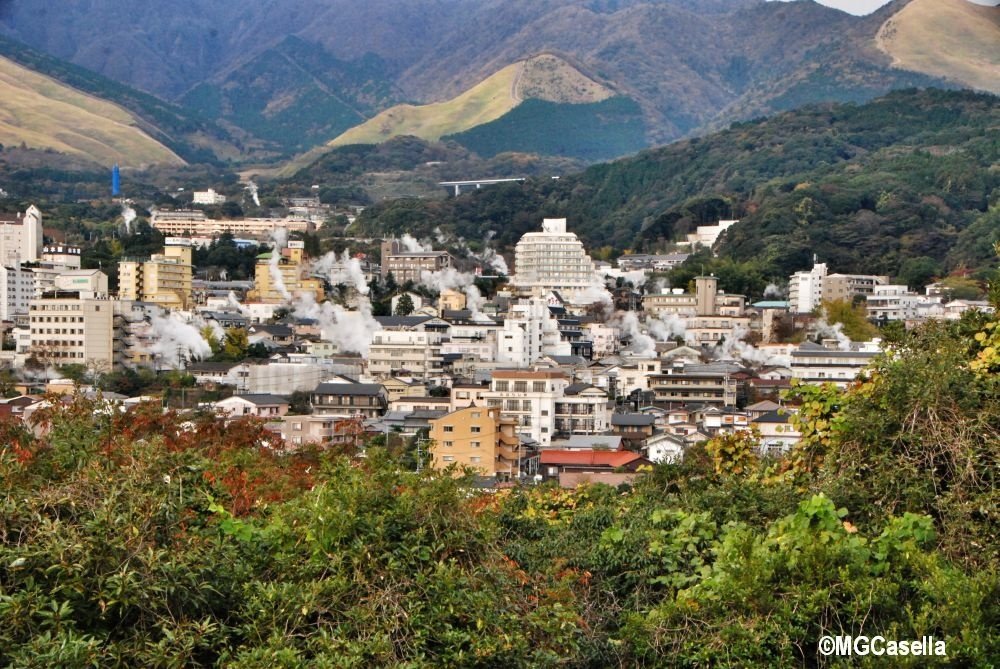
It has in fact an exceptional concentration of geothermal sources that feed hundreds of onsen. In practice every home has its own Private Spa and our hotel Motoyu-no-Yado Kurodaya makes no difference. It has in fact internal and external thermal pools where you can immerse yourself freely and relax after the long journey, entering so, gently, in contact with the millenary culture of Japanese well-being.
2. Discover the village of Kitsuki samurai
What to see in Kyushu there is the ancient village of Kitsuki. Dominated by a medieval castle, it is the right place if you want to find atmospheres and old Japan traditions, between tea and miso casks dating back to the Edo period.
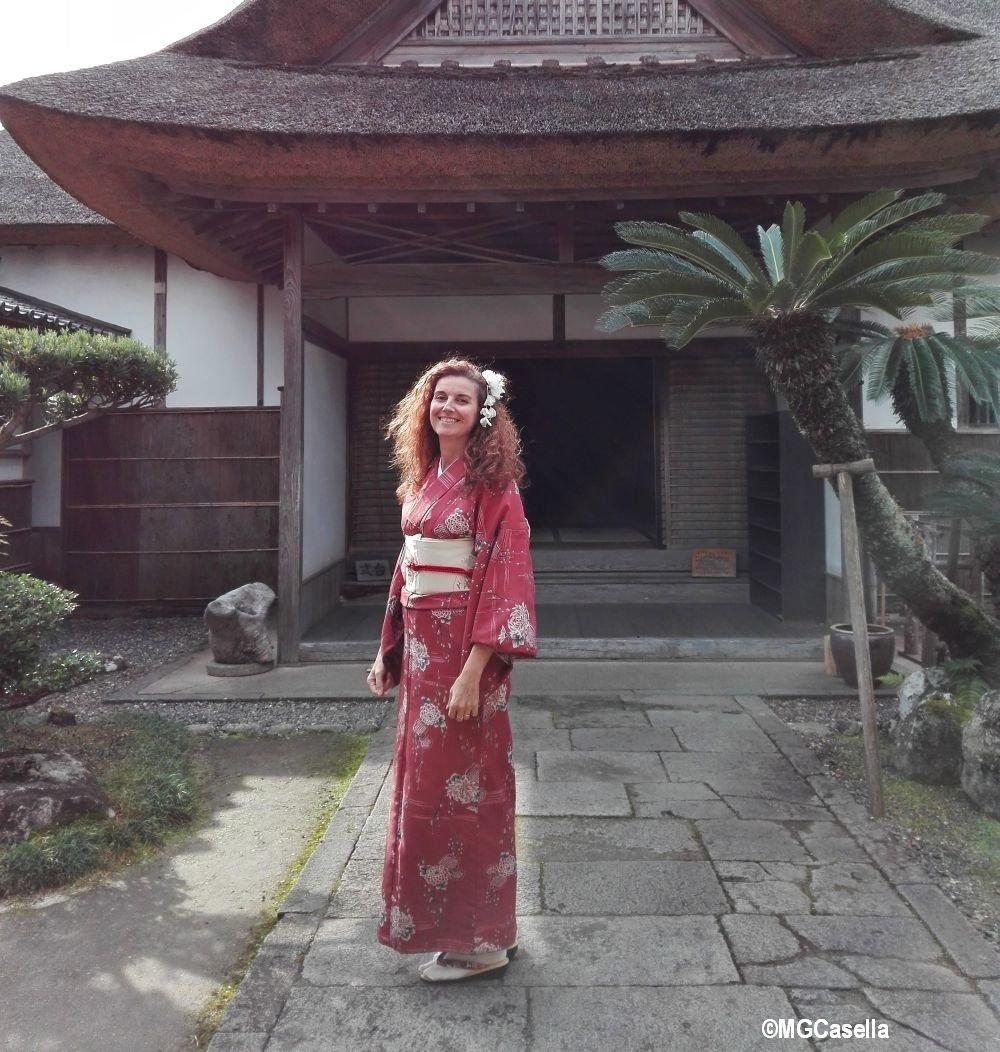
To make a jump over time, from the main road take the steep staircase that climbs to the top of the hill and you will find yourself in the quiet of the historic Samurai district, with the temples in pagoda, the martial arts school and the ancient traditional residences surrounded by beautiful zen gardens. Some are also visitable and you can freely wander around the various environments separated by sliding wooden doors and rice paper, imagining the life at the time of the samurai.
3. Wear an authentic kimono
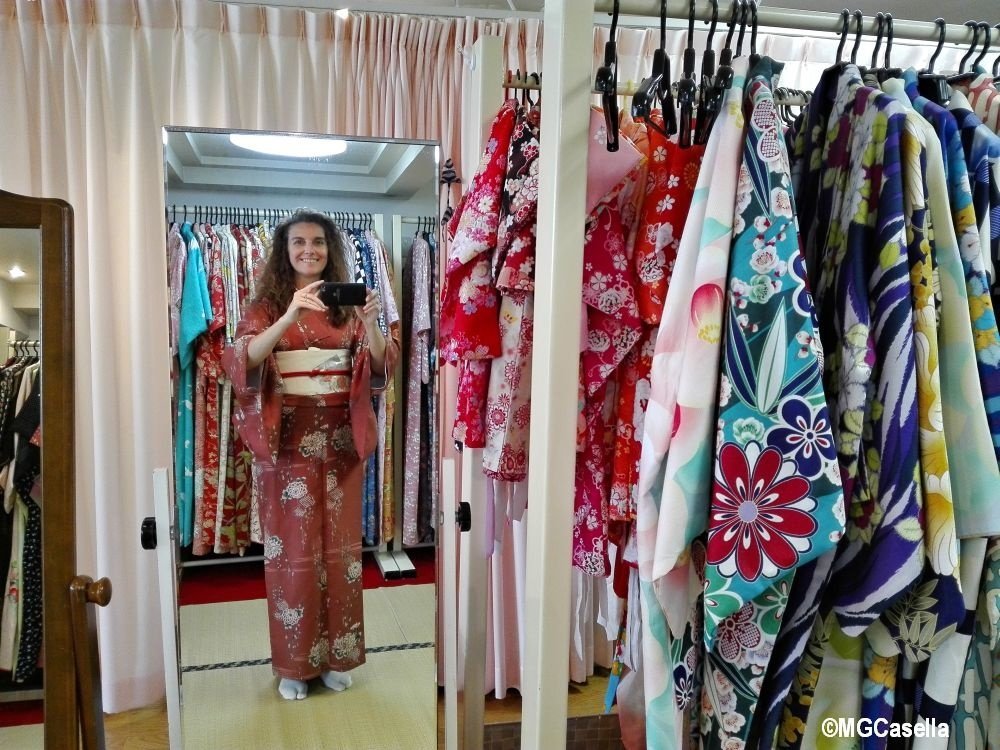
Of course, in such a place, imagine yourself in the clothing of a geisha (or a samurai, do a little yourself) is a moment. And turning this fantasy into reality is as easy as entering from Warakuan, a store on the main road that looks case kimono rent (for him and for her) and all you need for dressing, which is more complicated than you can imagine.
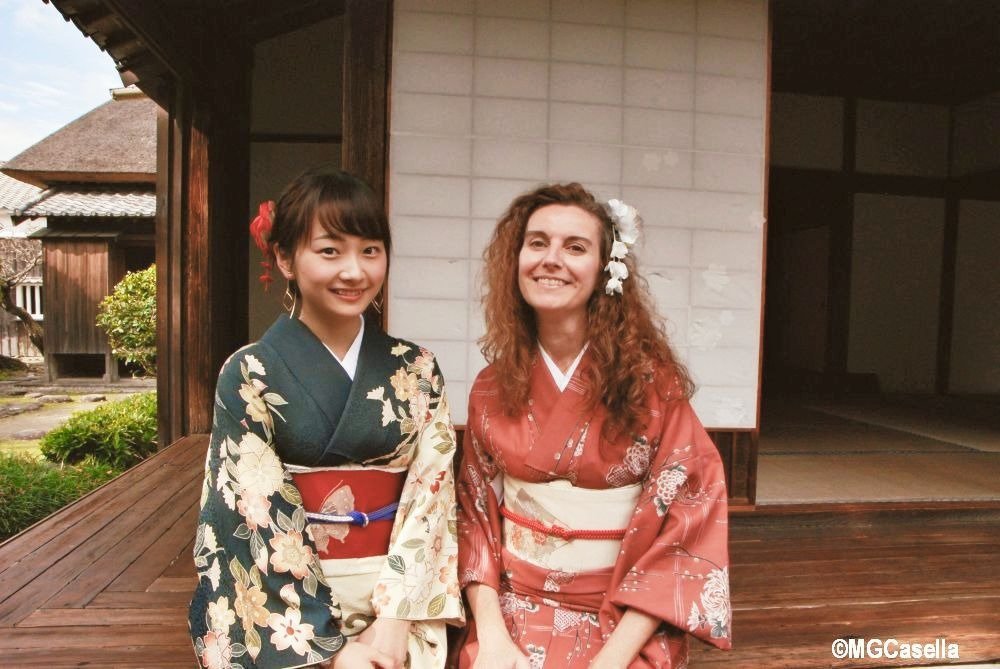
But don't worry. Choose the fantasy you prefer between over 250 different designs and sunny orders will help you wear it starting with socks tabs (those with the separate toe). Yes, because then, squeeze in life from various belts and fromobi, being able to bend could be quite difficult. So dress up, you will feel perfectly comfortable in the streets of Kitsuki, but above all you will have the free entrance to the different historical houses!
4. Taste traditional Kaiseki cuisine
As you can see, besides what to see in Kyushu, there is also a lot to do and to...take, in fact hos covered soon that not only sushi and sashimi feed the japs. The cuisine of the Rising Sun is one of the most refined in the world and reaches peaks sublime perfection in kaiseki. That would then be the equivalent of our high cuisine, once reserved for the court and the nobility, although in reality it is much more: it is the apotheosis of Japanese hospitality.
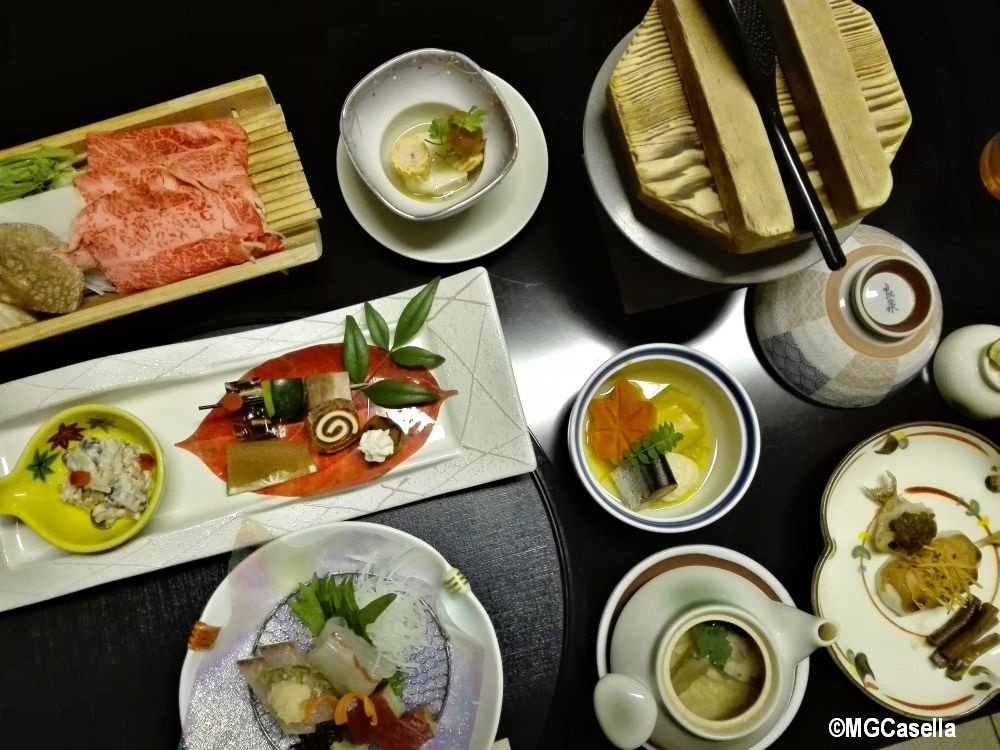
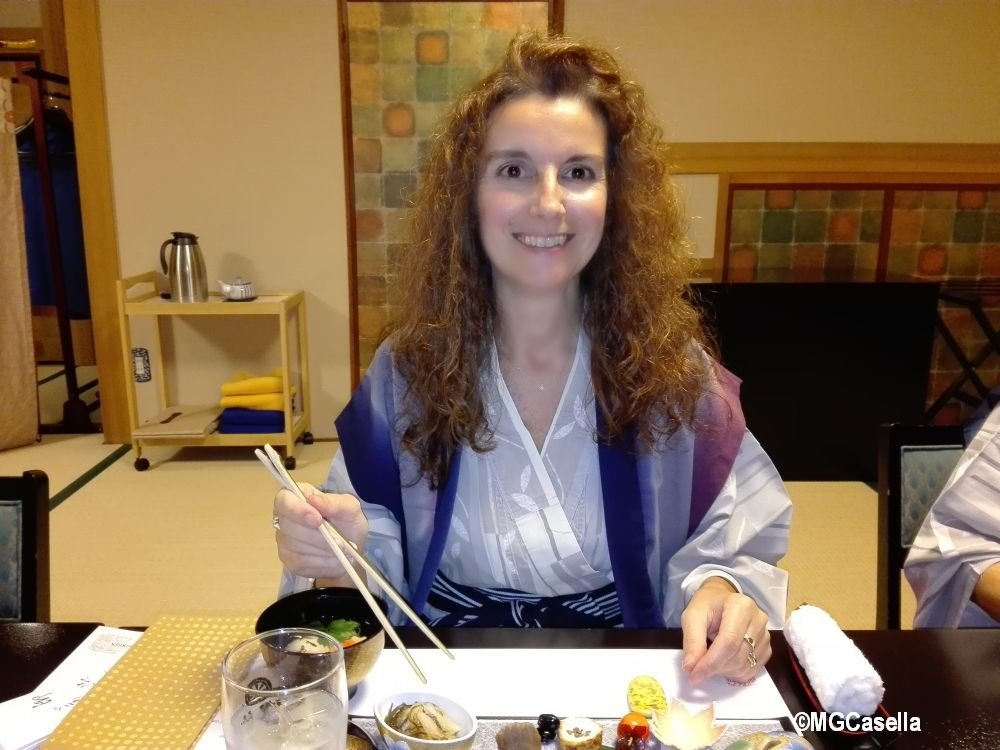
Two are in fact the characteristics of dinner kaiseki: the careful presentation and freshness of the ingredients. In all there were a dozen delicious dishes, including miso soup, sashimi, sushi, roasted fish, Kobe meat fillets, vegetables in brine, rice and tofu dessert.
5. Sleep in a traditional Ryokan
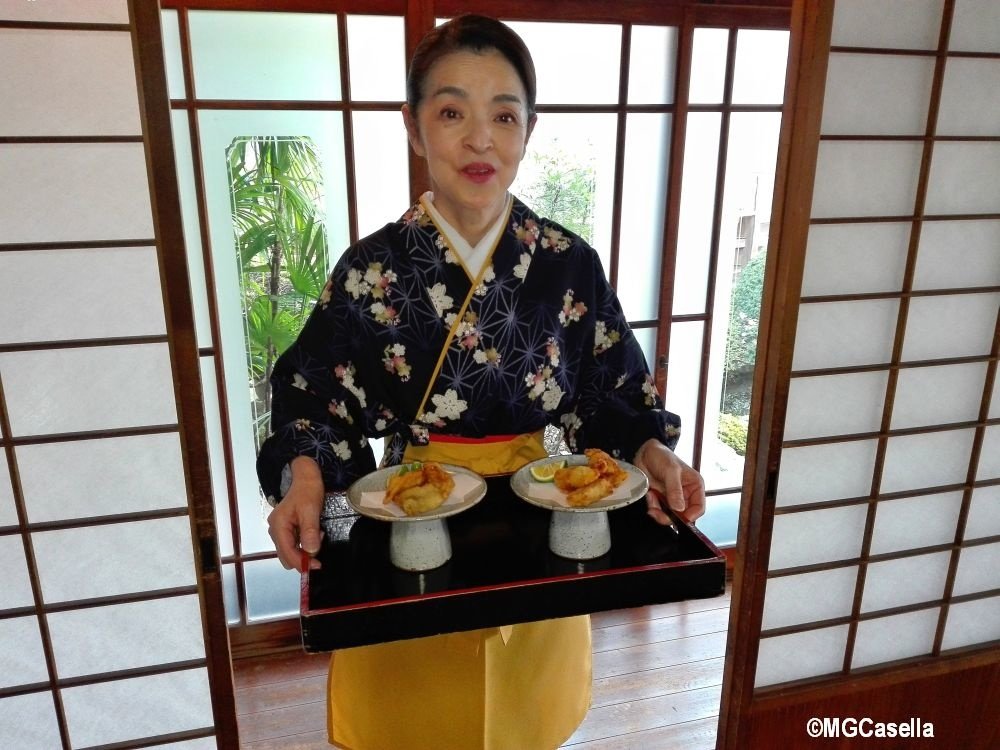
You cannot say you have experienced authentic Japanese hospitality until you stay in a real ryokan, the traditional hotels that seem out of a period print. Zen garden, kimono waiter, sliding doors, tatami floors, futon instead of beds and ikebana everywhere are the rule in most ryokan.
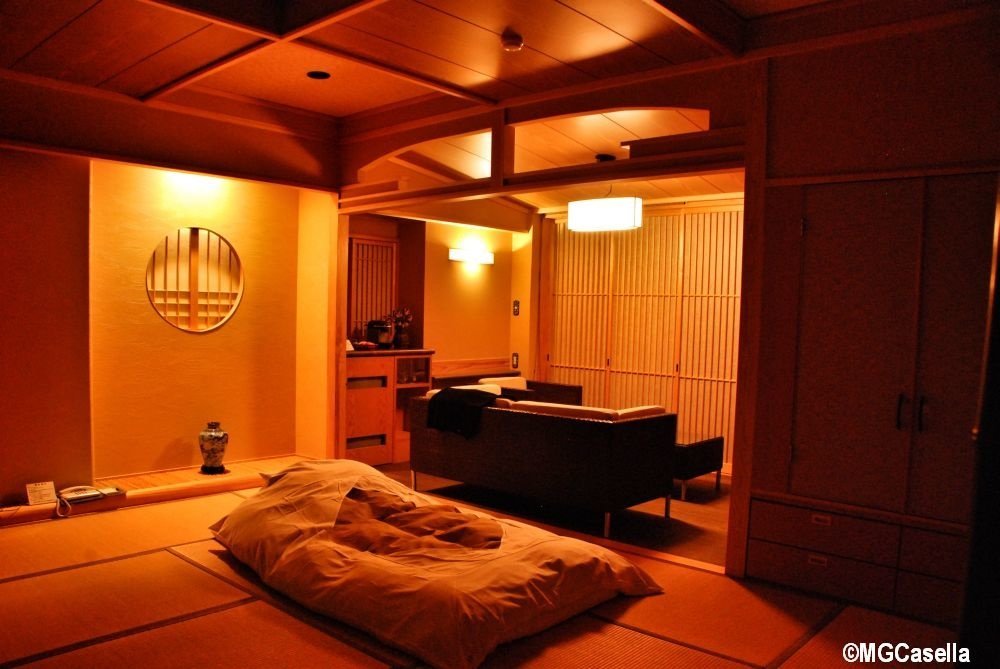
And it is no exception Ryokan Shinsen by Takachiho, one of the best in the region, where I stayed during the first days of my trip to Kyushu, thus experiencing high hospitality almost in the form of art, where nothing is left to chance to make you feel completely comfortable. In my room, to say, there was also the tub ofof, the warm thermal water bath that leaves the skin soft and smooth as silk.
6. Takachiho Yokagura dance show
Every night, from November to February, in the sanctuary of Takachiho you can see the ancient Takachiho Yokagura ritual, a sort of folk dance-theater of thanksgiving to Ujigamisama for the harvest that has long been immemorial, so much so that since 1978 it is national heritage intangible popular cultural.
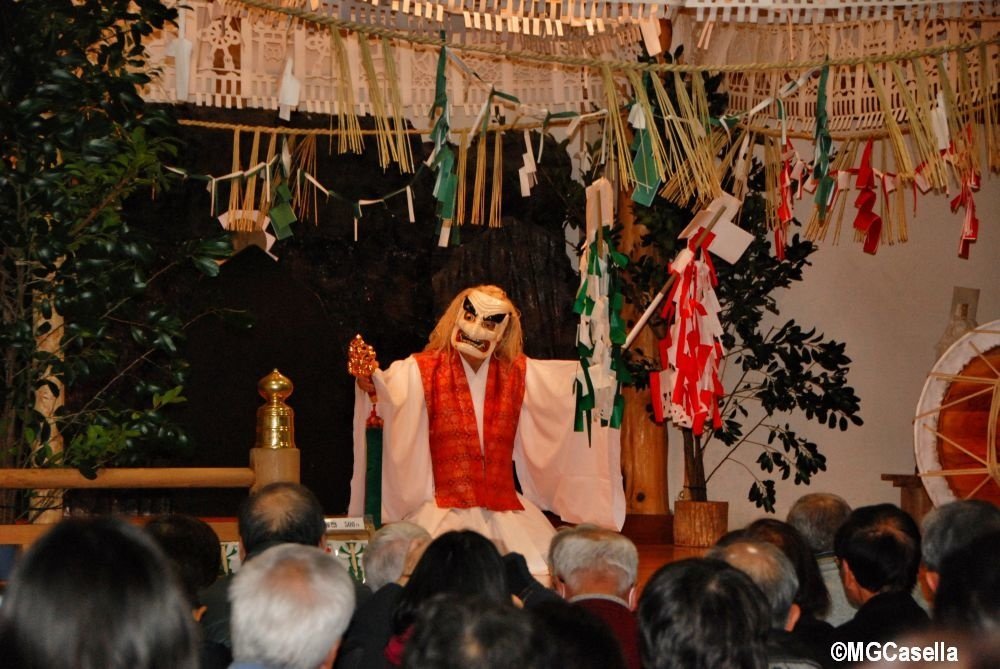
I expected something mystical, since we were in a kind of temple or sanctuary, and instead I found myself in a salon surrounded by spectators who were embellished with laughter, so I deduced that the show should also be quite fun.
7. Eating the deadly fugu, the most poisonous fish in the world
During my travel to Japan I also had the opportunity to taste the micide fugu, the most poisonous fish in the world, and of course I didn't miss it. No fear, however, because the risk of remaining dry is practically zero.
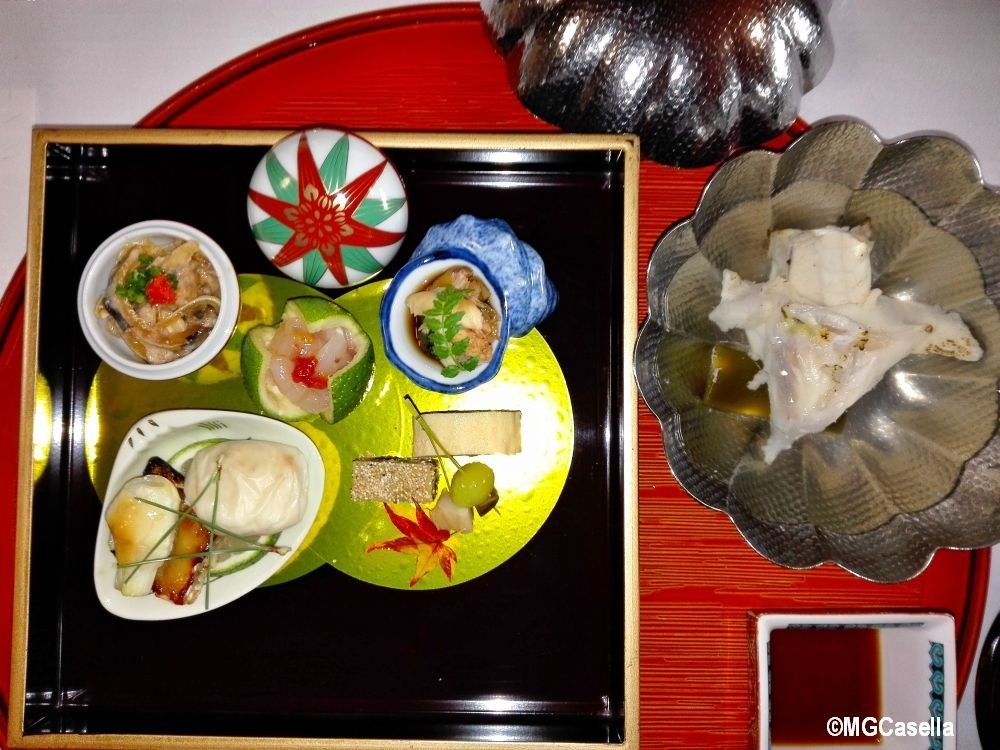
Considered a true delicacy, the fugu is served only and exclusively in restaurants that can get a special license and cooked by certified cooks who know how to treat this fish by eliminating the parts that contain poisonous toxin. One of these restaurants is Tekisanzo, set in a traditional residence of 1915 in the characteristic village of Hiji.
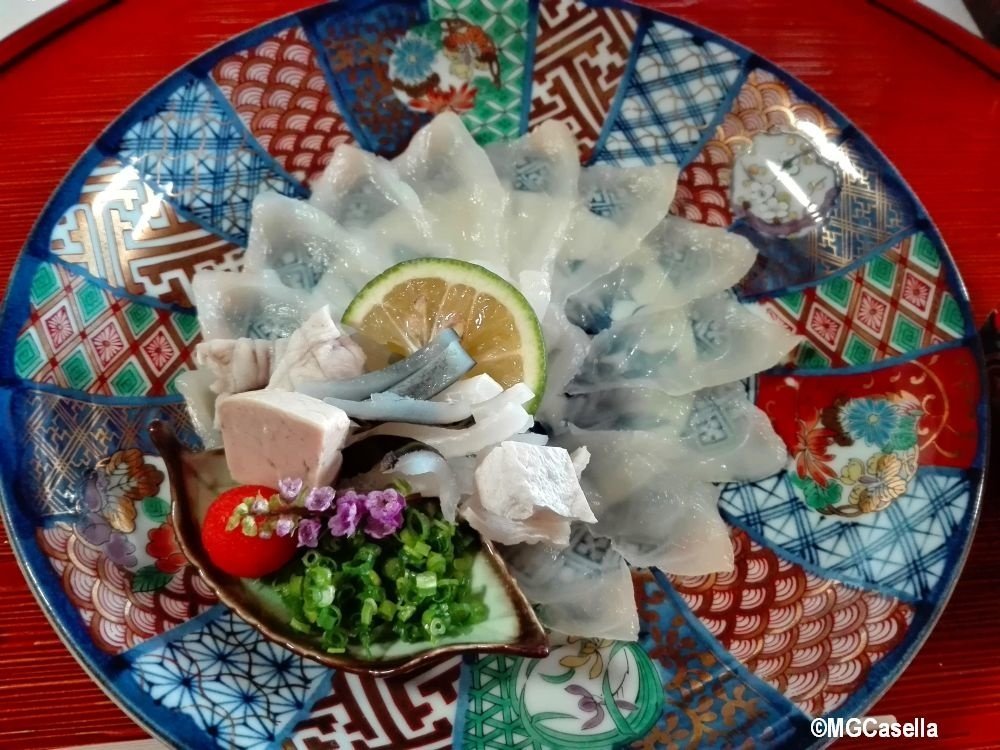
It is here, in an elegant dining room overlooking the Bay of Beppu, that I tasted my first lunch based on fugu, composed of several beautifully decorated courses, including the fugu sashimi of very thin slices arranged in a plate to form a sort of chrysanthemum. The place is very popular all over the country, so there are gourmets coming from Tokyo for a drink Fugu dinner. If you want to give you this tasty as temerary experience, you should book well in advance, taking into account an expense of at least 90 euros per person.
8. Cross the Caldera del Monte Aso on board the "One Piece" Train
What to see in Kyushu They can't miss volcanoes. Moving to the prefecture of Kumamoto, we visit what is considered a real geological wonder, that is the Caldera del Monte Aso, which is among the most extensive in the world. To give you an idea of the size, just know that it measures 25 kilometers in length for 18 in width and includes a fifteen volcanic cones, including the Naka-dake, the Japan's largest active volcano and among the greatest in the world.
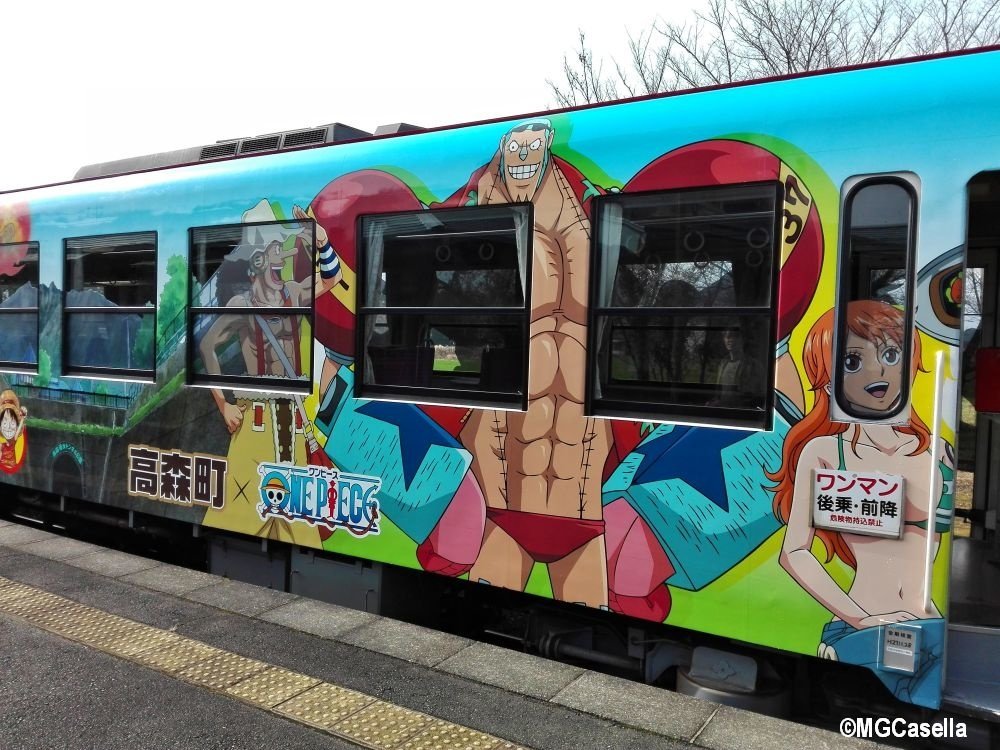
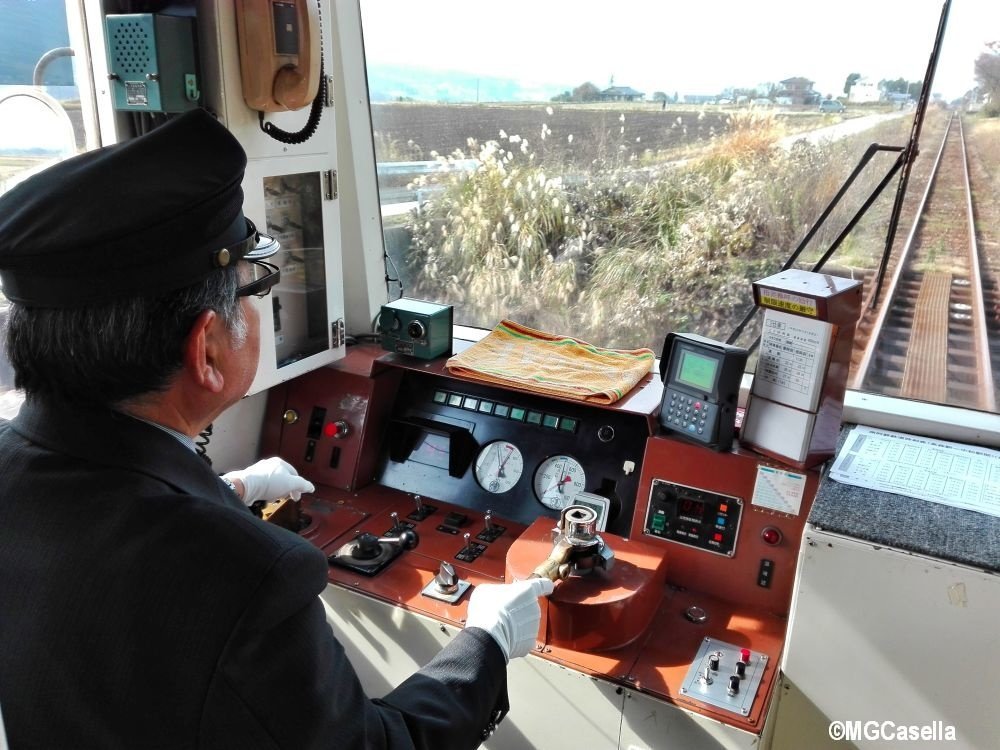
I expected you to see fumaroles and firecrackers everywhere, and instead nothing. Of course, the day of my visit was not the slightest volcanic activity in progress, not even a slight trail of smoke. So to console me I took a ride on "One Piece Train", a tourist train decorated with the characters of the homonymous manga, that connects the station of Hitoyoshi-Onsen with Yunomae. 25 kilometers between bucolic landscapes in the heart of the caldera, delighted by the canzoncine of the manga on board and the smiles of the people who stop to greet the passage of the train.
9. Admire the Kumamoto Castle
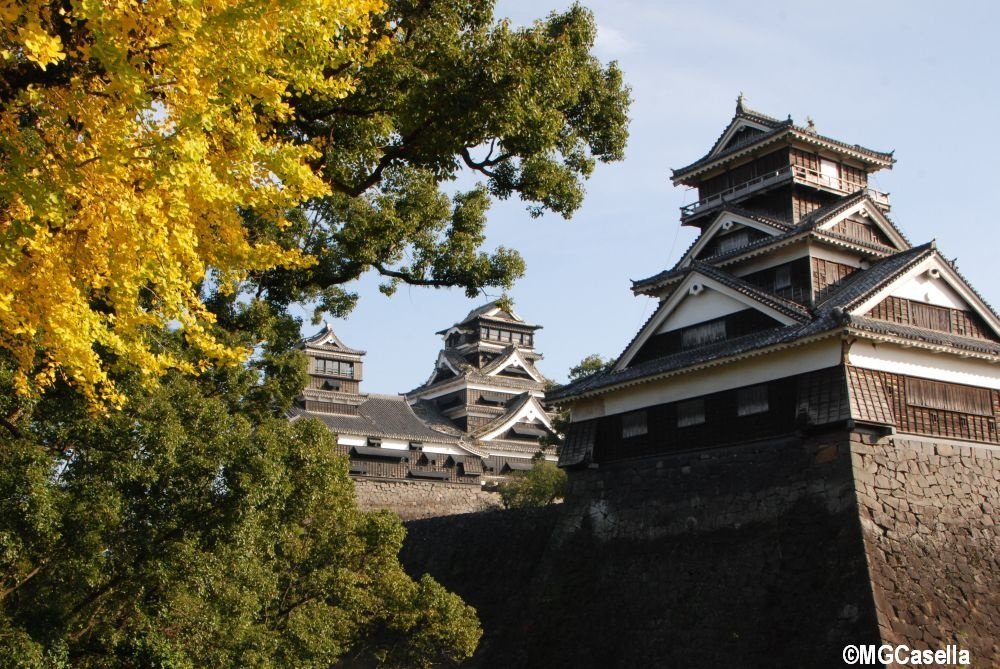
Exit from manga train, we continued by bus towards Kumamoto, historical city on the western coast of Kyushu, which is worth a stop even to admire the magnificent castle of Kumamoto, among the most famous of Japan. Unfortunately, because of a recent earthquake, the palace is not agibile, but it can only be seen from the outside, following the perimeter of the musha-gaeshi, 12 kilometers of walls of the city raised four centuries ago against the attacks of ninja and invaders.
10. Meet one of the last katana craftsmen
And about ninja, I find that a short distance from Kumamoto lives Matsunaga Genrokurou, one of the last Japanese blacksmiths specialized in the creation of katana, the traditional curved blade swords used in the feudal era of ninja and samurai. All over Japan remained in 200, in Kyushu are about thirty.
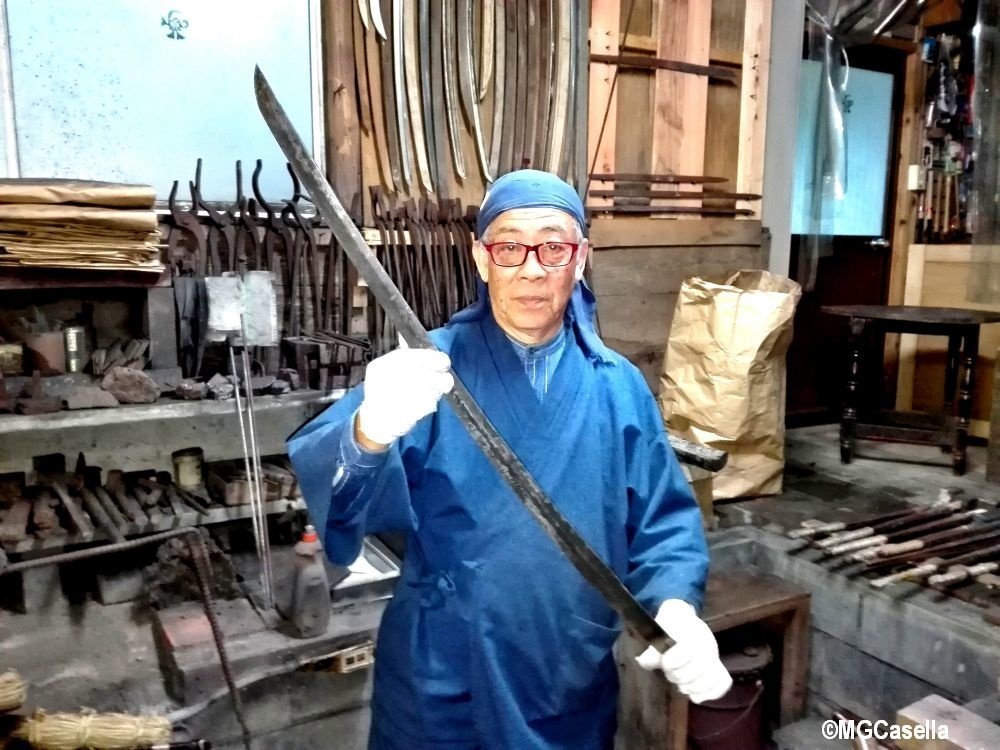
Matsunaga has its forge next to a coastal country house which is also the meeting place for lovers of the ancient art of fighting with the noble swords from the curved blade, now become a sporty discipline, like the fencing in the west. Our visit falls right on the day of training and so, after seeing some stages of processing a katana, we also witness the performance of a group of modern samurai. Banzai!

