
Index of Article
Transnistria what to see in the "country that is not there".
You probably have no idea where it is. Transnistria. Unless you have read the book or seen the movie "Siberian Education", set right in this strip of Russian soil beyond the Dniestr River, which is part of the Moldova but self-proclaimed independent giving life to Republic of Transnistria.
The country that does not exist, for the simple fact that it is not recognized by the UN and the international community.
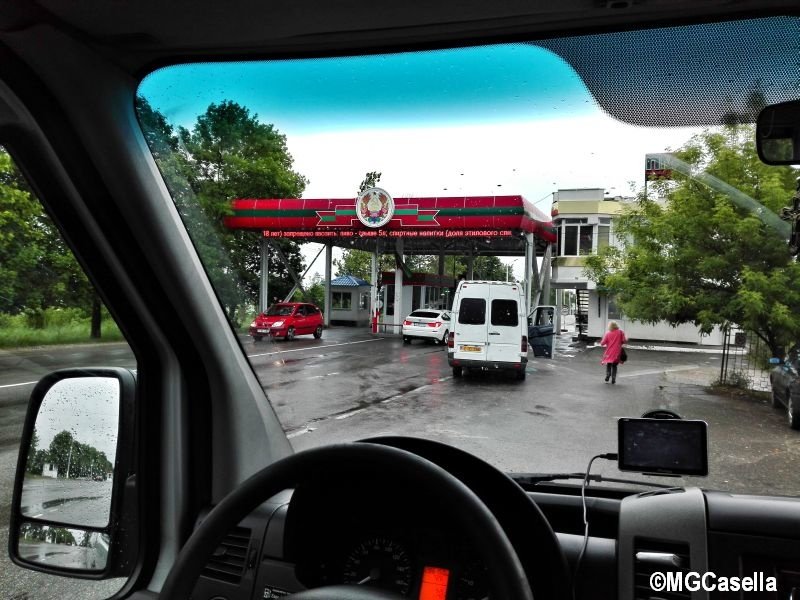
Just for this visit, at least for a day, is one of the most intriguing and surreal experiences you can do during a travel in Moldova. Pass the border (I recommend your passport!) and find you in another era.
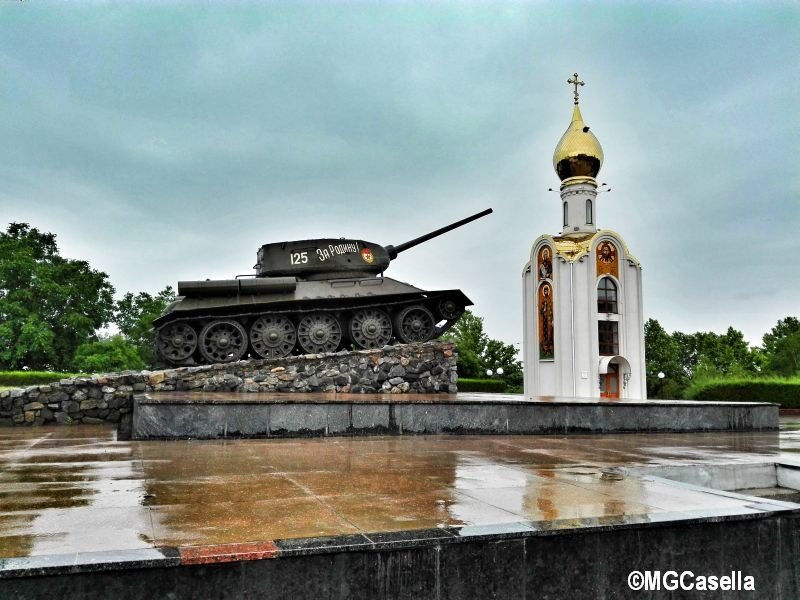
Already because in Transnistria you continue to live as at the time of the Soviet Union: on the camping flag sickle and hammer, the currency is a plastic ruble valid only here and on the streets of Tiraspol, the capital, there are still the statues of Lenin and Gagarin, some residual warfare transformed into nostalgic monument and palaces in real socialism style.
If you happen even on a rainy day, as happened to us, the atmosphere from Cold War It's served. Which is why you come to Transnistria.
The Fortress by Tiraspol
Original nucleus of the city, the Fortress is the symbol by Tiraspol and therefore represents an indispensable stage of the visit of the capital of Transnistria. Located in a dominant position on the river Dniester, extends over an area of about two hectares and although it is practically in ruins, it is easy to guess the imponence of the original complex dating back to the fifteenth century.
Initially it was a simple wooden fort, built by Stefano III of Moldavia to defend himself from enemy raids. Conquered later by the Ottomans, in the mid-16th century it was transformed into a fortress by Solimano the Magnificent. The Russians managed to regain it only in 1812, thus reestablishing their dominion over the region.
Palace of Soviets
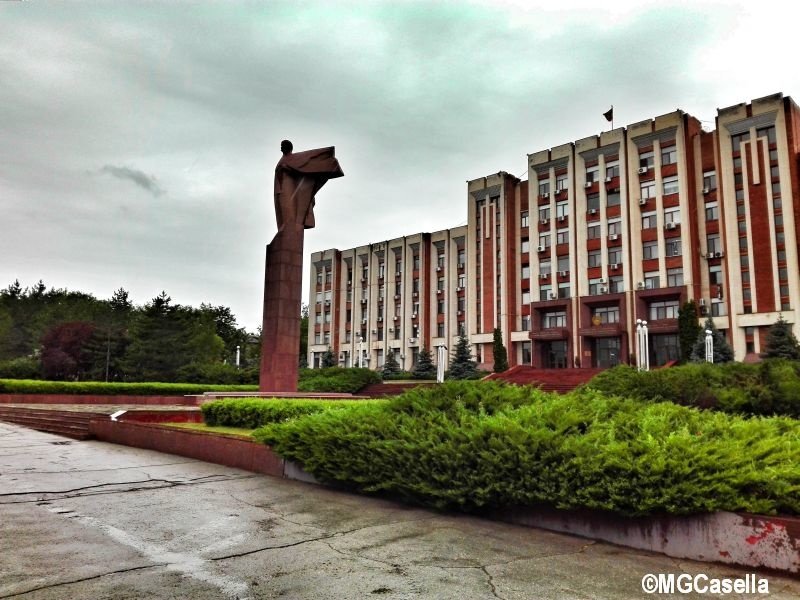
The Palace of Soviets is one of the most representative buildings in the city. Built in 1953, today it is the seat of the municipal administration and therefore is not accessible to the public. However, along the large avenue that enters the city center, it is impossible not to notice it, also because on the large square in front of the building rises the column on which stands one of the last statues of Lenin remained in their place in the former Soviet Union.
And so much to stay on the subject of Cold War, on the other side of the avenue there is a monument on which an authentic Soviet tank.
The Kvint Distillery
What else to do after perlustrating the city and having done a laute lunch in a Ukrainian restaurant based on borshch and varenyky (filled ravioli)? We have flown into the glorious distillery Kvint, founded in 1897 and thus exists since well before the proclamation of this ghost state, has passed away indemnity through two world wars and the dissolution of the USSR and has become a reputation among the best brands in the world.
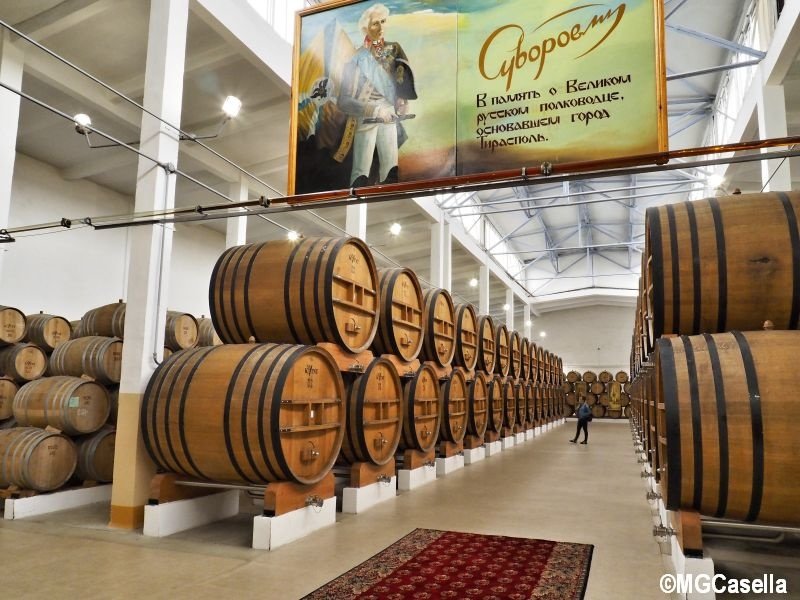
A colossus of 20 million bottles of super-alcoholics a year, including thirty different brands of divinity, the Moldovan brandy, aged from 3 to 50 years, and then all the imaginable range of liqueurs, gin, vodka and meditation wines. "Za zdorovye!"
Square ♪
The statue equestrian of the legendary Russian general Alexander Suvorov, founder of the city, as well as one of the most valiant generals of Russian history, dominates what is considered the most important square of Tiraspol. Every year, on September 2, annual Transnistria Independence Day celebrations take place.
Church of the Transfiguration of the Saviour
Built at the beginning of the 18th century, it is one of the most important religious monuments of the city. The main feature of external architecture is the golden dome that shines in the sun in beautiful days, while in the interior you can admire beautiful decorations, including an imposing sculpted iconostasis.

