
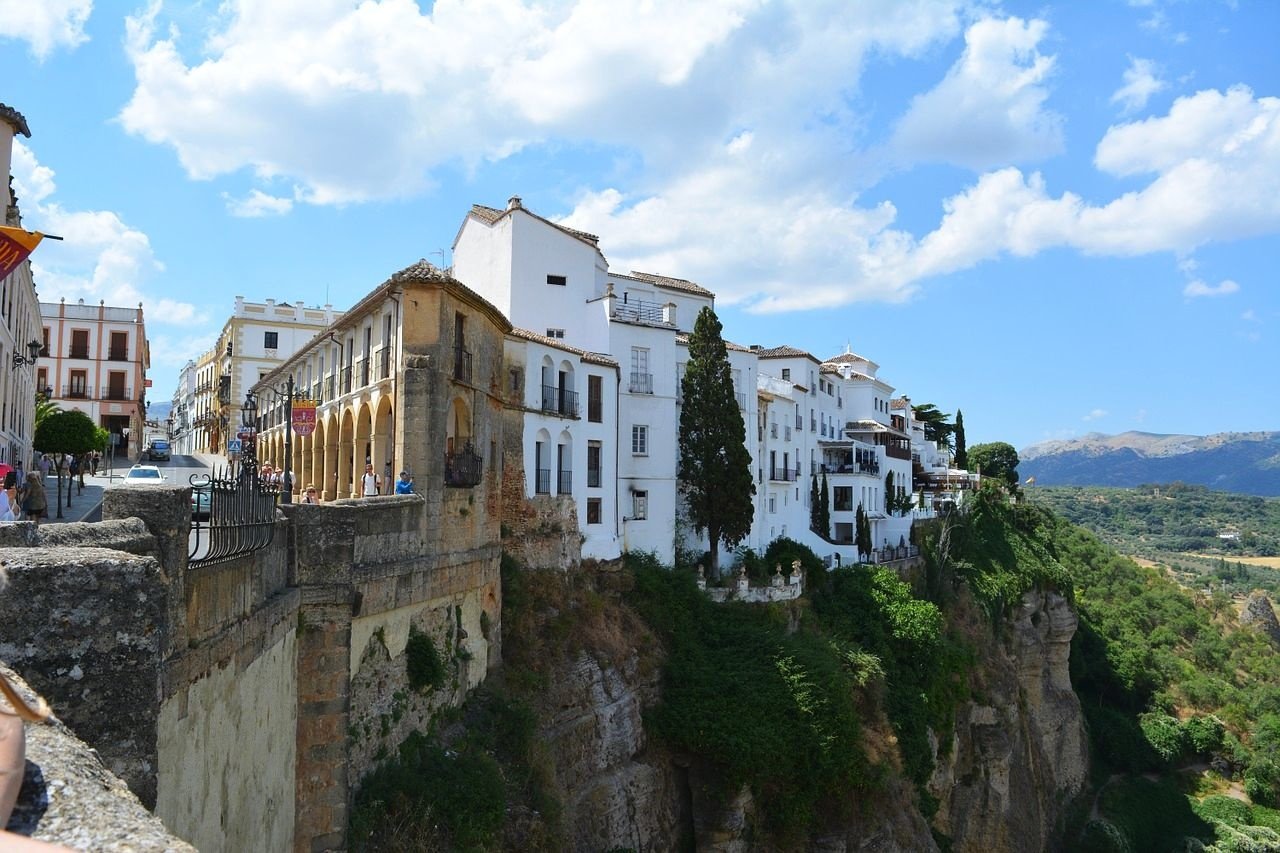
The Ruta de los Pueblos Blancos, an itinerary on the road to discover the most fascinating Andalusian villages.
During my recent stay in Costa del Sol, I took advantage of it to make a nice road trip along the mythical Ruta de los Pueblos Blancos, that winds right in the hinterland of the province of Malaga, in Andalusia.
Index of Article
Ruta de los Pueblos Blancos
It is one of the most fascinating itineraries of all of Spain, which winds between mountainous and green valleys dotted with beautiful Andalusian villages. In fact the ruta de los pueblos blancos are more than one, but we follow the most famous itinerary, which winds in the province of Malaga, between villages full of atmosphere, but not always easily accessible by public transport.
To take this scenic tour on the road and optimize the times it is therefore advisable to rent a car to move freely. There are several companies at Malaga airport car rental in Andalusia. Among these also the Spanish Goldcar, which in addition to particularly advantageous lowcost rates, offers a number of innovative services to speed up the withdrawal and return procedures of the vehicle. For example, the Key’n Go key distributor and the Click’n Go service, which allows you to open and close the car door from mobile, avoiding the office files to get the keys.
Malaga
Once at the wheel of your utility, you are ready to go to the discovery of Pueblos Blancos of Andalusia. Not before but having visited MalagaIn recent years, it has become one of the most effervescent cities in the Mediterranean, as well as an important city of art.
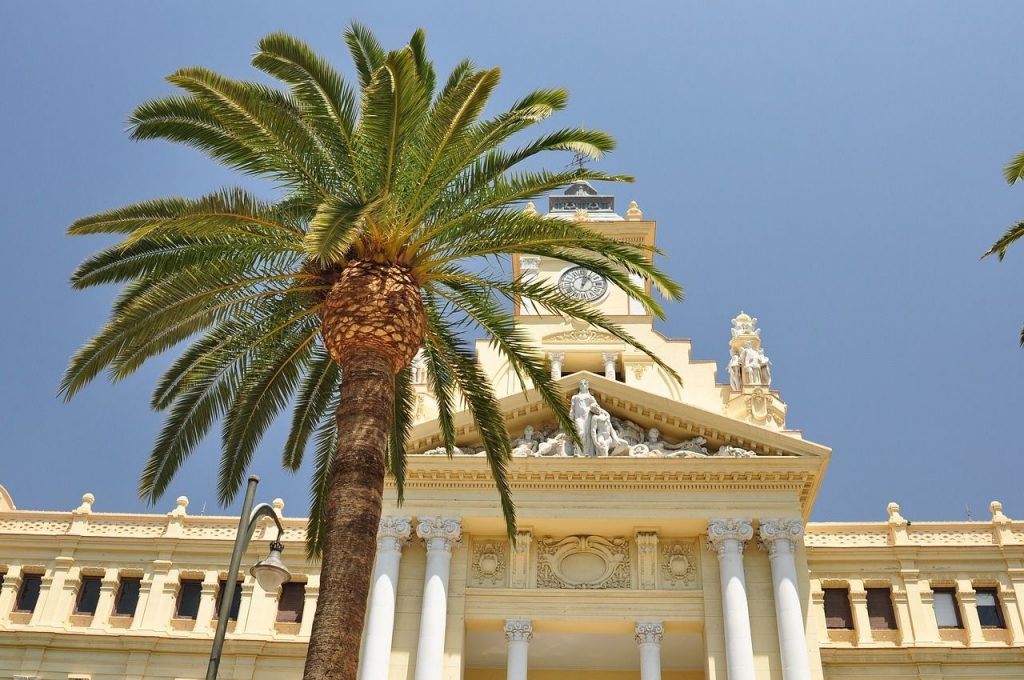
In the historic center there are 30 museums, but above all the capital of Costa del Sol is the home of Pablo Picasso, one of the greatest painters of the twentieth century, of which you can visit the birthplace in the central Plaza de la Merced and admire a collection of works at the Picasso Museum.
For a full-immersion in the nightlife, head towards the port, one of the most lively and lively places in the city, which is full of bars, restaurants, shops, markets and discos.
Mijas
Leaving Malaga, the first stage is in Mijas, characterized by an arid atmosphere: it is one of pueblos blancos more characteristic of the Costa del Sol, located between the sunny beaches and the lush vegetation of the Sierra de las Nieves.
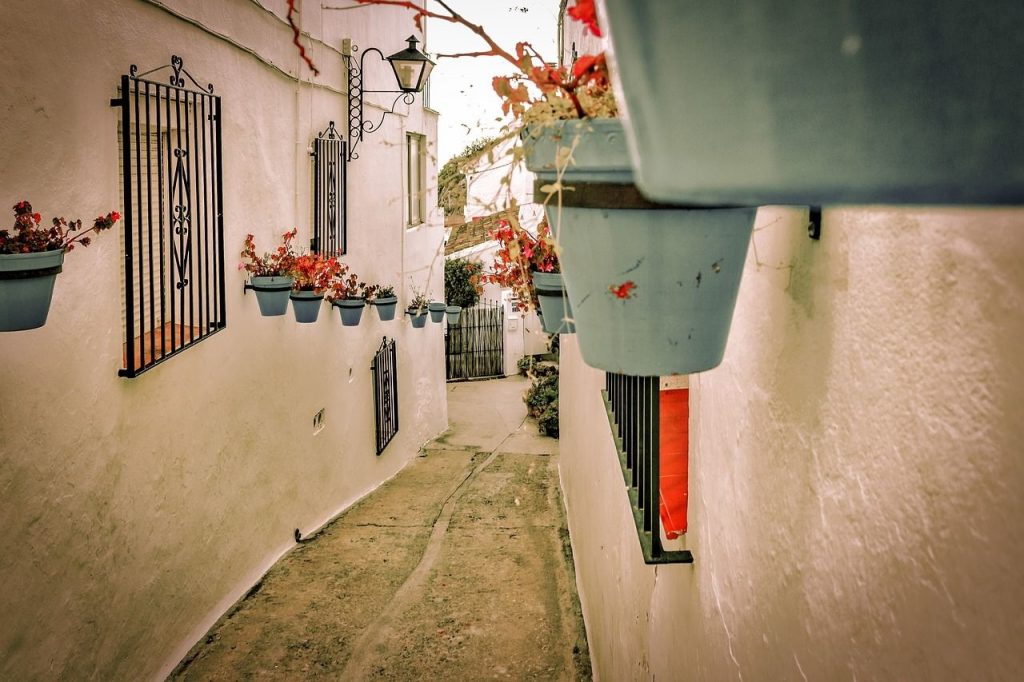
You can leave the car at the parking lot and visit it on board the butter-taxis, the trays driven by donkeys, a unique experience absolutely not to be missed. The Andalusian village, with its typical whitewashed houses and charming cobbled streets, houses ancient monuments such as the church of the Concepción with its imposing architecture, with an ancient wall and a well-kept garden, ideal for a walk.
Another attraction of Mijas is the sanctuary of Madonna de la Peña, a magnificent 17th century structure open to the public, with the ancient cave dug by the monks on the hill over 400 years ago.
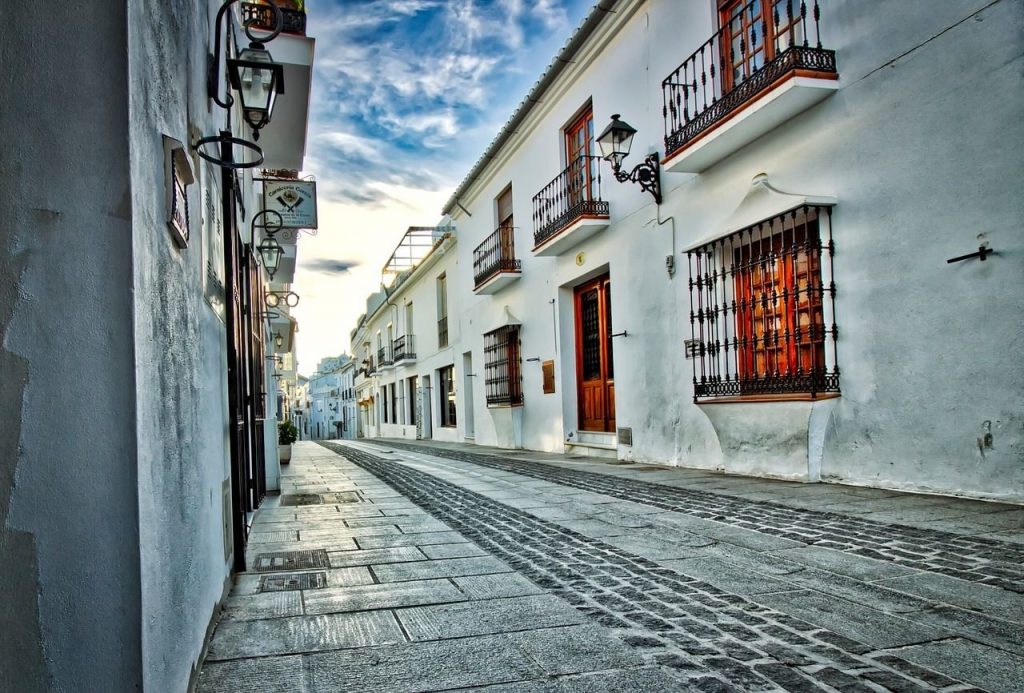
At the Carramoto de Max museum, one enters to admire the unusual collection of microscopic art pieces, including Abraham Lincoln’s portrait on a small brooch. There is no shortage of shopping opportunities in shops that sell artistic handicrafts in wicker and souvenirs.
Ronda, the most famous of pueblos blancos
Along the road that runs along the Parque Natural Sierra de las Nieves, reach ♪, one of the most beautiful Andalusian towns, perched on the gorges of the Guadalevin, in a breathtaking position on a precipice of 130 meters. To connect the two banks is the imposing Puente Nuevo, a splendid 18th century arched bridge.
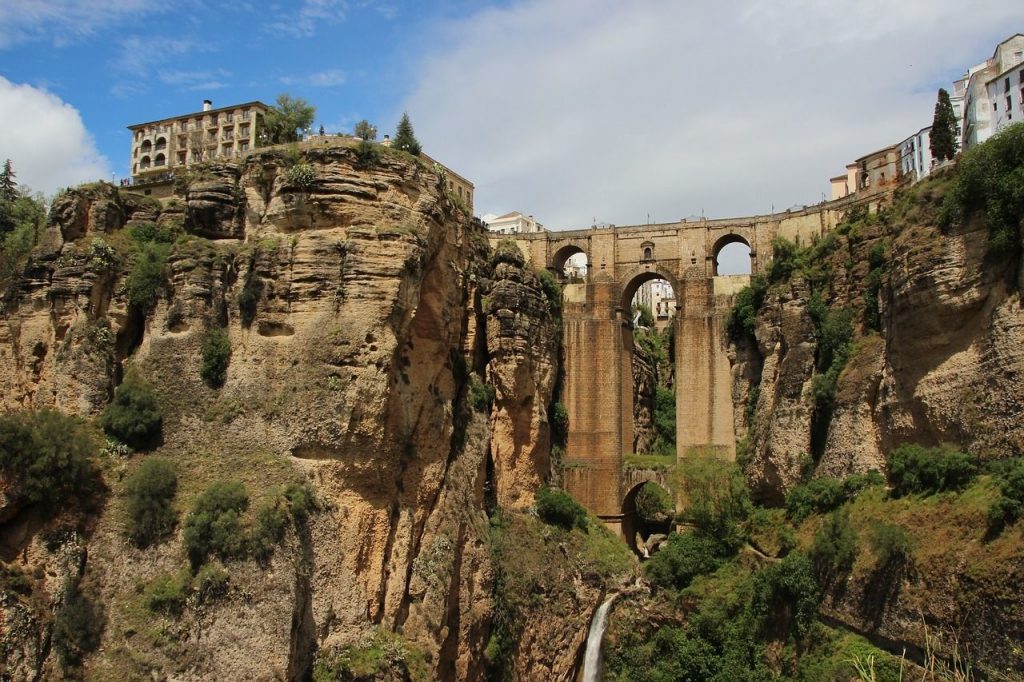
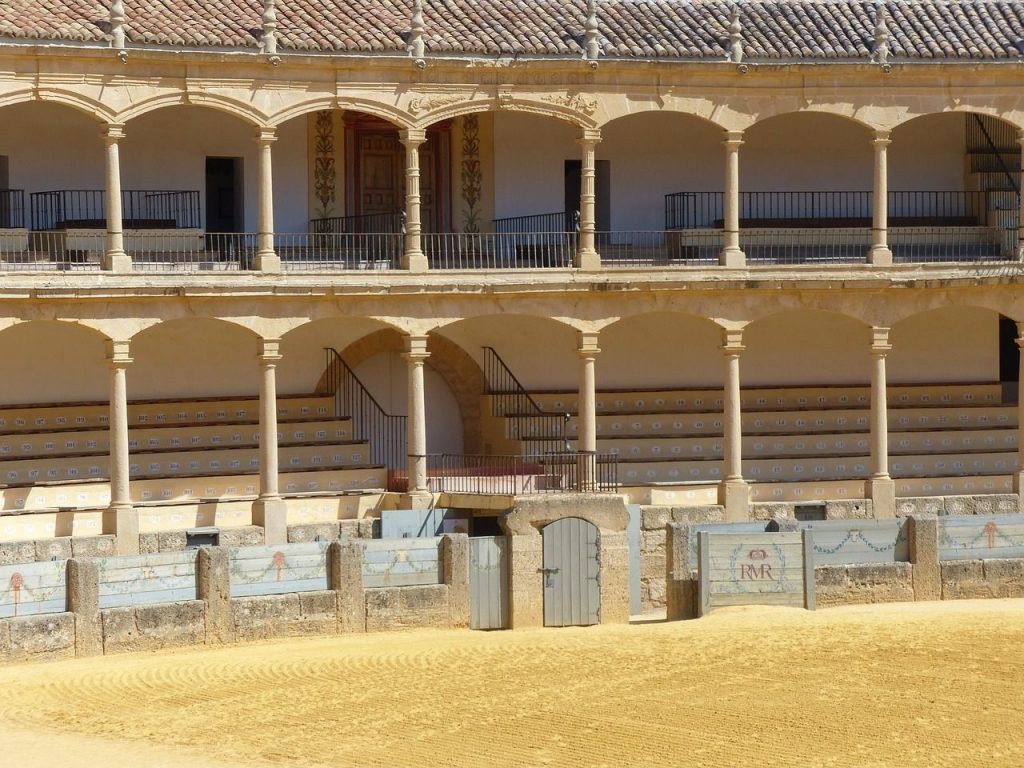
Defined the "City of the Castles", it preserves the typical Arabic structure and in addition to splendid noble buildings boasts the oldest Plaza de Toros in Spain, where there is also an interesting museum on the corridor.
Perhaps the most fascinating of pueblos blancos Ronda consists of three parts: the north-western district of Mercadillo, the ancient Moorish section called Ciudad and the suburb of San Francisco to the south.
La Ciudad Moresca di ♪, which develops as a charming labyrinth around Calle Santo Domingo, is the most interesting, where the Moorish culture and tradition are still alive. Walking through its streets you can admire many houses in the characteristic Moorish style and some beautiful Renaissance dwellings.
On the other side of the bridge rises the castle of Rey Moro, a splendid 18th century Moorish palace with gardens open to the public. An interesting feature of this villa is its remarkable Mina, an underground staircase of 365 steps leading to the river, carved and built by Christian slaves of the fourteenth century. In time of war, this passage guaranteed water supply to the city under siege.
Don't miss the magnificent Cathedral Santa Maria di ♪, originally an Arab mosque then converted into a Christian church. Shows a refined blend of styles, Arabic, Gothic, Renaissance, with a bell tower on the top of the minaret.
Further west, there is the House of Mondragón, a Moorish palace full of original stuccoes on the patio with a beautiful carved ceiling. It also houses a museum on the history of the Moorish Ronda and its local archaeology.
Gaucín
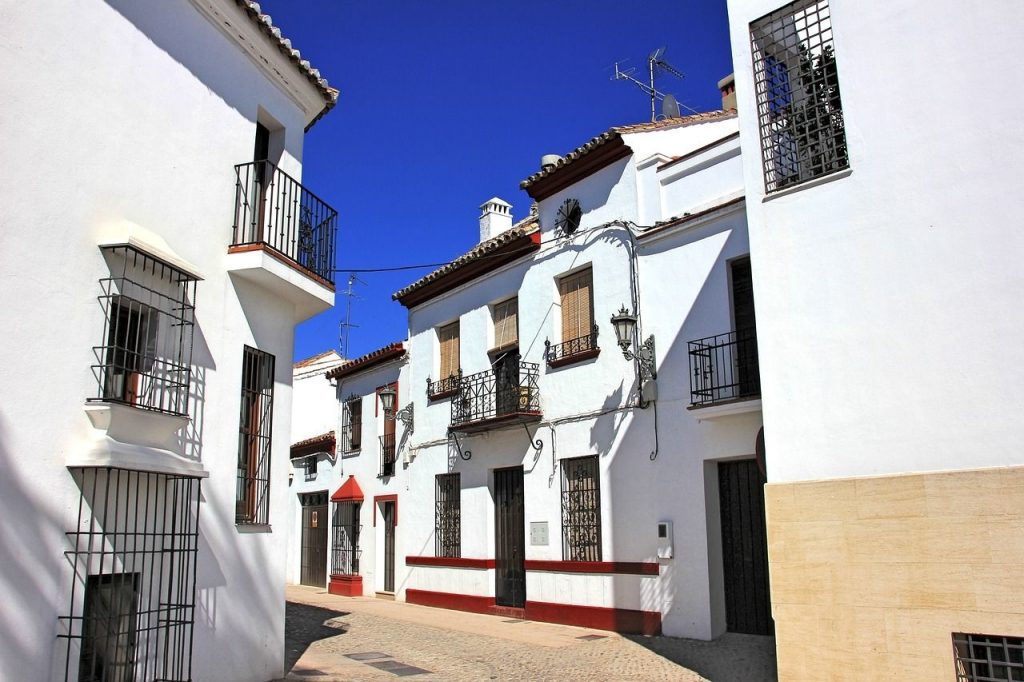
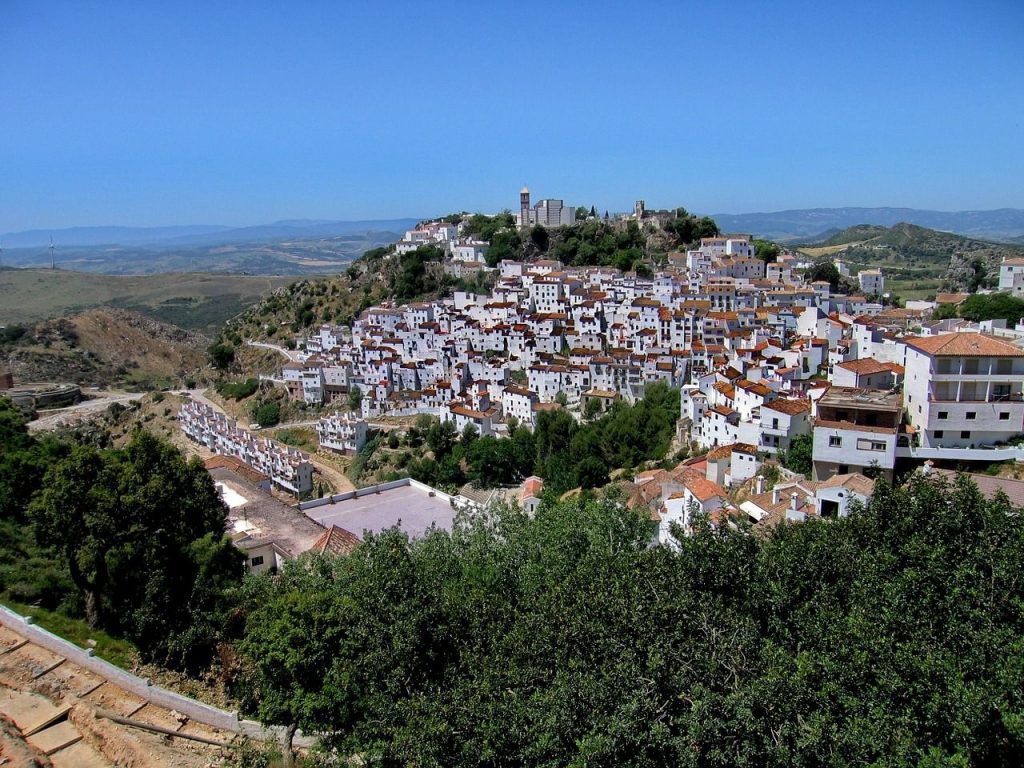
The traditional architecture of this pueblo blanco stands out against the backdrop of the lush vegetation of the Genal valley. Its streets, with a Moorish style, are perfectly adapted to the hill on which they are built and its pretty whitewashed houses are decorated with inferriate and balconies expertly crafted in wrought iron.
The village dominates the remains of the historic Castillo del Águila, along with Gibraltar one of the most southern fortresses of Andalusia. From the shores the view spans the African coast, Gibraltar, the Genal River and its green valley.
Casares
Declared historical and artistic heritage, Casares conquers with its relaxed and quiet atmosphere, so far from the chaos and bustle of the coast. There are many reasons for a stop in the pueblos blancos that was the homeland of the writer Blas Infante, known as "father of Andalusia", to which is dedicated the cultural center located in the church of La Encarnación of the XVI century.
The heart of Casares is the Plaza de Espana, surrounded by traditional restaurants serving delicious food and picturesque fountains that create a truly special atmosphere. The Ethnographic Museum is for all those who love history and are interested in discovering details about the past of the city.
Casares has Roman roots, but was also conquered by the Moors, in fact it rises at the foot of an Arab castle from where the view stretches over the Mediterranean, until it embraces the African coast.

