
Landscape between heaven and earth, sweet and harmonious contrasts between the blue of the sea, the green of the plains and the ocher of the mountains: it is the Alentejo, immense region south of Portugal, dotted with the geometric design of the cork trees or olive trees.
The last glimpse of summer is the best time to discover this unusual ground flap. Here and there are medieval walls, like in Marvão, spectacular village perched on the top of a mountain, or still in Monsaraz, a living museum, which over the centuries has maintained the original structure typical of medieval villages.
Not only medieval, the Alentejo is also the cradle of the Roman period. This domination has influenced its language and culture and has left in the region countless traces, imprinted to live force in the stone or embedded in mosaics, cisterns and holes, proper to the Roman era. Other lesser-known civilizations, but equally fascinating, have pointed the region of mysterious megalithic monuments erected in honor of the now forgotten.
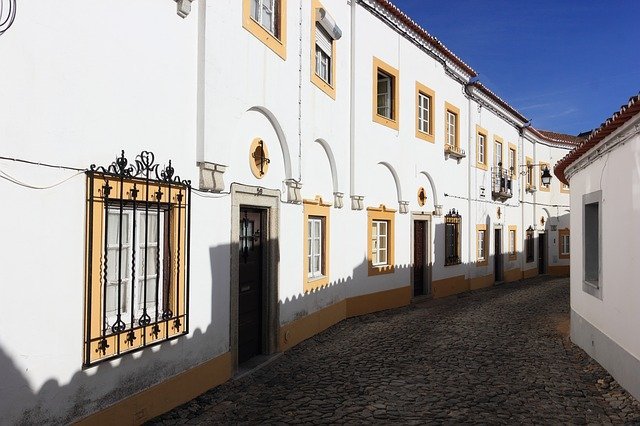
Among the mountains, the white and ochre houses that crown small heights, the castles that evoke an era of struggles and conquests, the patios and lush gardens of the region, reveal the Arab influences that enrich the region with charm.
To know the most true Alentejo, you can not miss a visit to the city of Évora, World Heritage Site, of Roman origins, which preserves all the intensity of its cultural splendor, intact over the centuries. The city, with unexpected contrasts and a thousand labyrinths of narrow streets and alleys flooded by the sun, is rich in Renaissance fountains, Moorish courtyards and gothic portals, a breathtaking view and memories of ancient stories of over 2 millennia.
Even the gastronomic flavors contribute to making "appetible" a stay in Alentejo. Among the typical dishes, to try the soup, main dish of the Alentejana tradition, bread, vegetables, pork and lamb, game, cheese and convent desserts.

