

Discover Antibes what to see and do in French Riviera in one of the most popular places by artists and writers.
A route through the places and experiences not to be missed in this fortified town at the center of a dream peninsula in the south of France.
Index of Article
Antibes what to see and do in French Riviera
Port Vauban
We begin our walk to the discovery of Antibes from the Vauban Port, whose origins date back nothing less than in the Roman era. But it is only with the reign of Henry II, at the end of the 17th century, under the direction of the military engineer Niquet that the works to renovate the old port are finally realized.
The current port encompasses the entire St-Roch door, the most beautiful site you can imagine for a port, which also received the Blue Flag of Europe.
This is where the most luxurious ships and the most beautiful yachts in the world make their stop, including the Kingdom 5KR (formerly Nabila) by Saudi prince Al-Walid, and Abdul Aziz, the ships of Paul Allen (cofounder of Microsoft) Octopus and Tatoosh, and the Eclipse belonged to Roman Abramovitch.
Fort Carré
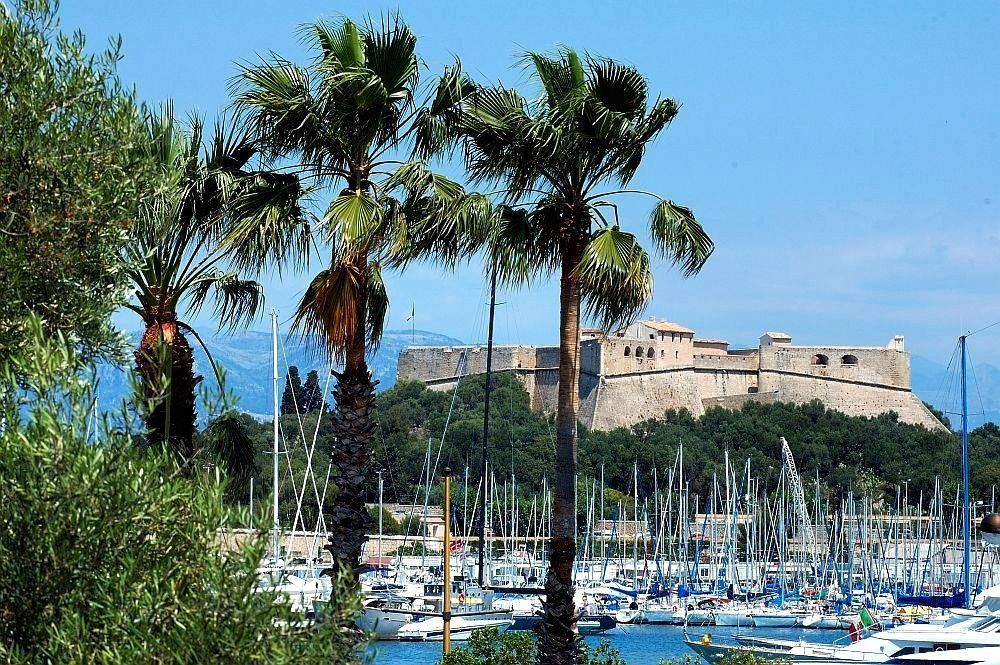
On this rock that rises twenty-six meters above the sea level, overhanging on St Roch's doorstep, in the 16th century at the request of Henry II, was built the Fort Carré with a central tower and four pointed bastions.
Thanks to the modifications of Marshal Vauban in 1680, the fort was never conquered and resisted even long besieges. Until 1860 he occupied a strategic position in the defense of the city, when Nice County was annexed to France.
Classified historical monument, the Fort Carré deserves to be visited both for its architecture and for the nature surrounding it. A panorama not to be missed that embraces the southern Alps from the side of the mountain and the Italian border to Cap d’Antibes from the side of the sea.
Musée Picasso Antibes
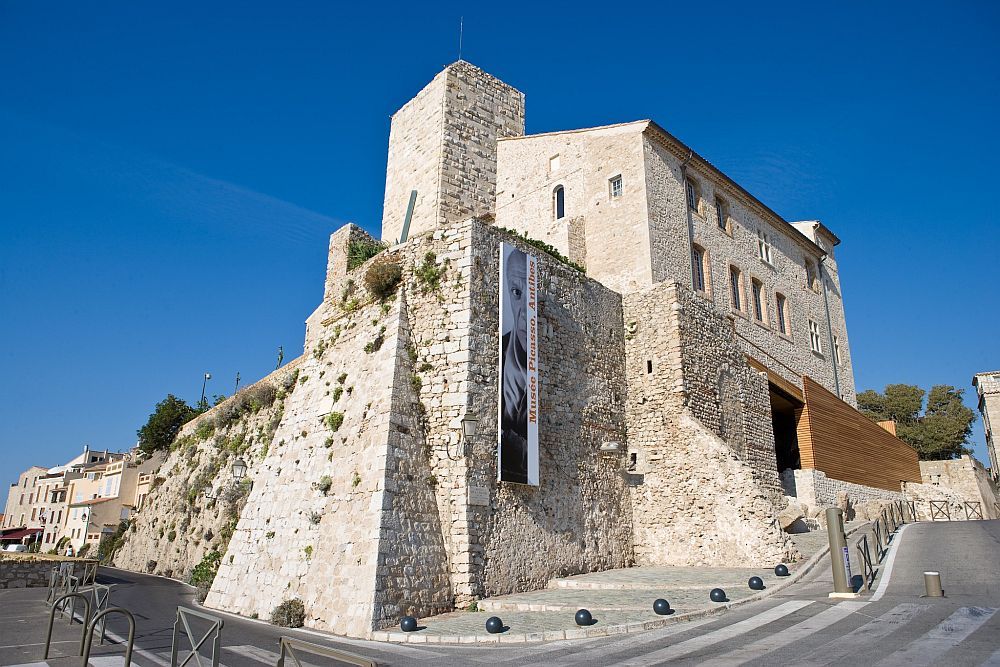
Pass the steps leading to Castle GrimaldiHeadquarters Musée Picasso Antioxidants. The Castle Grimaldi that rises on the highest part of the citadel, in the area of the Roman ruins of the late empire, has had a busy history.
The site of the vescovado during the early Middle Ages, an important castle, a manor house of the Grimaldi, then a residence of the royal governors, was used, after the Revolution, as a barracks, as a hospital and also as a municipal laboratory!
Saved by ruin and restored thanks to a local scholar, Dor del Souchère who made it a museum, was the laboratory of Pablo Picasso in 1946. The artist worked there during the autumn and gave thanks to the city a real treasure: 25 important canvases, as well as sketches, drawings and a hundred ceramics.
Today Musée Picasso Antioxidants is considered one of the places of art par excellence. The 300 works of the Master are added to Léger, Modigliani, Balthus, Miró, Ernst, Atlan, Picabia, Richier, Anna-Eva Bergman, or even Hans Hartung and Nicolas de Staël who lived and died in Antibes.
Musée Picasso Antibes Drawing Tour
Do you have artistic ties too? So what do you say you try with canvases and brushes by participating in the Musée Picasso Antioxidants Drawing Tour led by a local artist? An experience that will make you immerse yourself completely in the artistic spirit of Antioxidants!
After visiting the museum, your guide will take you to a particularly picturesque point, where you will discover the secrets of landscape painting and realize your work of art.
An unusual and fun experience, which will be the best souvenir of your stay in French Riviera!
The Cathedral
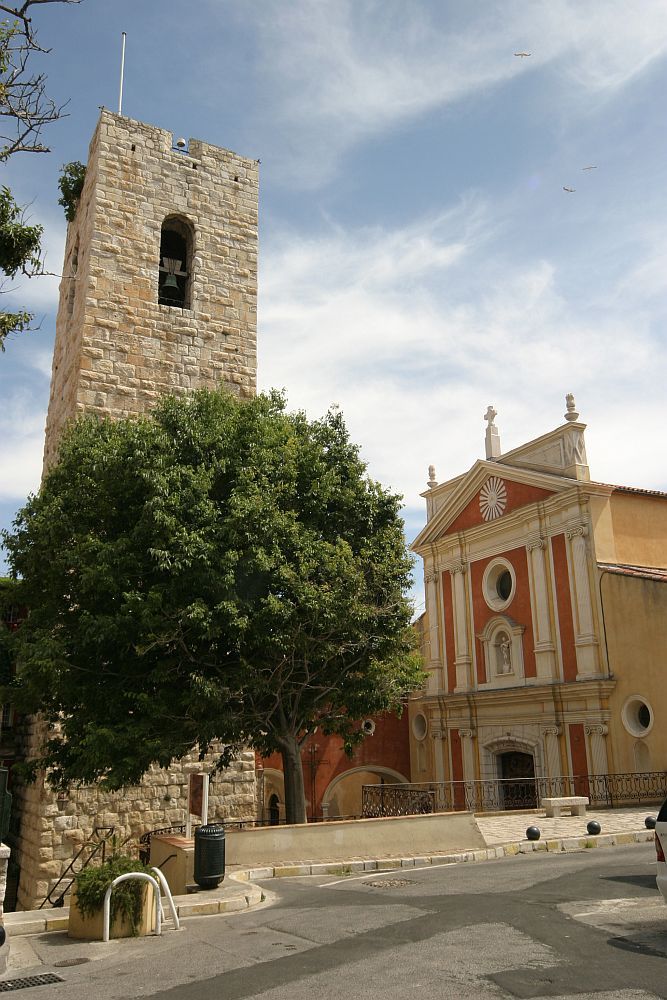
Antibes what to see in historical center. Reach the Sainte-Marie Cathedral, built in the fifth century for the first bishop of Antibes, Saint Hermentaire, but later destroyed by the Saracens. The current building dates back to the 12th century and is classified as a historical monument.
Admire the main door, decorated by the figures of the two protective saints of Antibes, Saint Sébastien and Saint Roch, protector against the plague. The upper station represents two angels in the act of worshipping Saint Sacrement.
The famous altar of Notre Dame du Rosaire, a wooden sculpture by Louis Bréa dating back to 1515, represents the jewel of this cathedral. You can also admire a wooden tomb and an olive wood Christ dating back to the 15th century.
The Saracen Towers
On the feast of the Cathedral the Saracen towers, built between the 11th and 12th centuries by the inhabitants of Antioxidants to defend themselves from the invasions of the Saracens that devastated the coasts.
On the facade of the east tower of the watch, we read the inscription Antipolis that means "the city in front". This tower was built to guard the bells, as the cathedral does not have the bell tower.
A curiosity: going down a few meters to the left, in Via della Parroisse you can see the cast of the writing of the danseur-enfant Septentrion, the most famous of the Roman writings of Antibes.
Sealed in the west wall of the municipality, recital: "Aux Dieux Manes de l’enfant Septentrion, agé de douze ans, here in Antibes, dans le théatre, deux jours dansa et plut" (To the God of the soul of Septentrion, 12-year-old boy who danced for two days in the theatre of Antibes and Piacques). The original is exhibited today at the Picasso Museum.
The Commune libre del Safranier
An orange and yellow plate announces the entrance in Commune libre del Safranier. This association, like that of Montmartre, aims to preserve the ties between all the inhabitants of the district, but also to keep the local traditions alive such as the festival of the harvest in September with its production of wine.
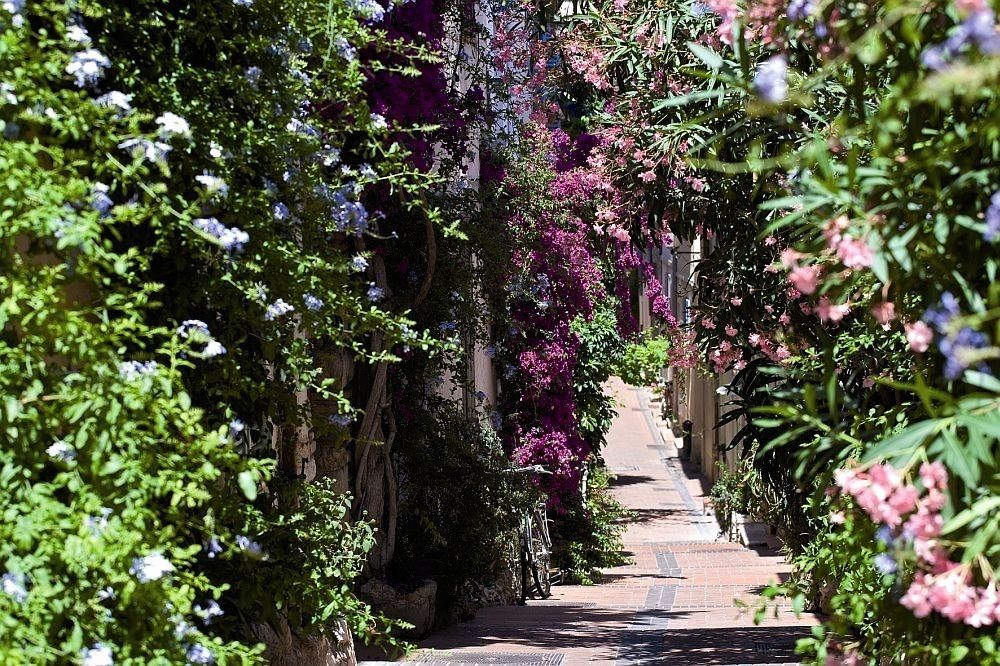
The most plausible origin of the name Safranier is due to a career of the place from where a friable stone was extracted called ♪. Although some scholars see in this name a derivative of the word saffron, which indicates a part of the boat rudder.
Peynet Museum and Mooristic Vignette
The Place Nationale, to visit Peynet Museum and Mooristic Vignette, dedicated to the most famous lovers of the world, created in 1989 following the donation of the artist of almost three hundred works to the city of Antibes.
On display lithographs, watercolors, inks, jewelry and porcelain, dolls, illustrations of works and theatrical scenery. The permanent collection is regularly enriched by numerous rare designs and objects provided by Peynet's daughter.
The Provençal Market
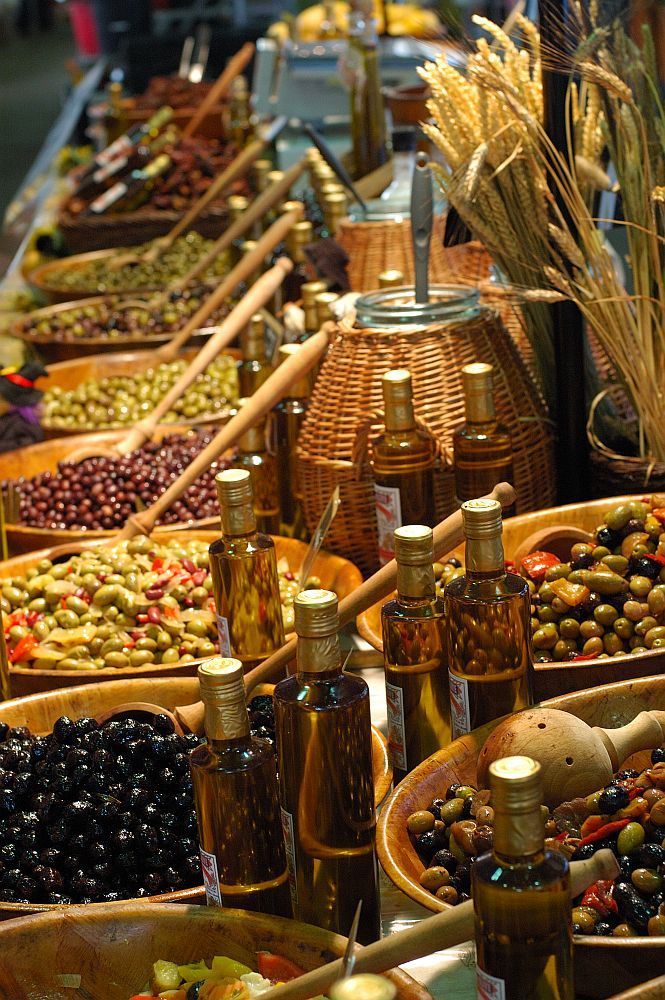
Risali in via Aubernon towards the town hall to discover the square of the Provencal market with its colors and atmospheres characteristics. The Place Vieille is one of the oldest in the city, always dedicated to trade. In the adjoining streets you will also discover many typical and antique shops.
The most beautiful gardens of Antibes
Ads Antibes Juan-les-Pins you can also visit numerous parks and gardens. The most emblematic is probably that of the villa Eilenroc, 11 hectares to dominate the Cap d’Antibes. Not to be missed also the rose garden: the municipality of Antibes, to revive the tradition and the savoir-faire of "capital of rose" wanted to transform a garden with a collection of 800 varieties of roses offered to the city by two famous growers of Antibes, Meilland and Fazari. Some prestigious varieties have been planted: the Roses Catherine Deneuve, Philippe Noiret, Marcel Pagnol, Princesse de Monaco...
Then climb to the Garoupe plateau on foot or by bike and enjoy the exceptional panorama. The Chapel of Garoupe recently restored houses a remarkable collection of ex-voto. And it is also an opportunity for a walk in the woods of the Garoupe, 9 hectares of natural park. While the path «of the Customs» offers a tour of 3.7 km around Cap d’Antibes.
The Espace Mer et Littoral: On a rocky promontory, at the southern end of the Cap d’Antibes, this Mediterranean naturalistic site extends over 2.2 hectares of which 400 meters of coastline. A wonderful opportunity to enjoy nature and the sea.
Subsequent to the Thuret Garden: In 1857 Gustave Thuret discovered the Cap d’Antibes, built a villa and began the construction of a fabulous park, one of the first acclimatization gardens of the French Riviera. Today it boasts an exceptional collection of exotic trees and shrubs.
Do not forget, just a few steps from the city, the site of Fort Carré, 4 hectares of green and flowers, the Vaugrenier park, natural park that extends over 100 hectares and also houses a natural freshwater pond unique in the region of the Maritime Alps.
Hop-on Hop-off tourist bus tour
An excellent opportunity to visit Antibes, Juan-Les-Pins and Cap d’Antibes in comfort is represented byhop-on hop-off Open Antibes tourist bus. Starting from Place Guynemer the tourist bus takes a full tour of the main local attractions along a route that from the center of Antibes winds through the port Vauban, Fort-Carré, place De Gaulle, the Ilette, the chemin des Sables, the Palais des Congrès, the Pinède, Juan-Les-Pins, the port of Gallice, Cap d’Antibes, the lighthouse and the chapel of the Garpe and the beaches of the Garpe. Along the route there are 4 different stops, a Place Guynemer, Fort-Carré, Juan-Les-Pins, Baie de la Garoupe, where it is possible to climb or descend at will.
Best Antibes Restaurants
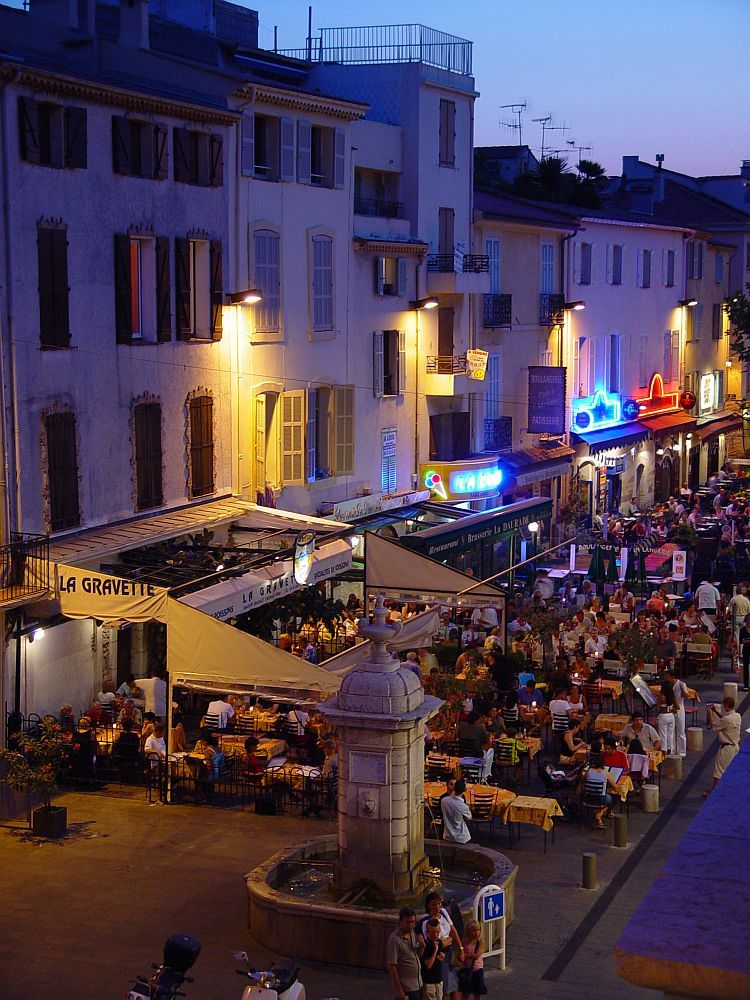
If you are hungry, the area around the market abounds in restaurants and bistros, but for a true gastronomic experience you can bet on two excellent Antibes restaurants.
A La Passagère, 1 Michelin star since 2016, where to taste the creations of the new chef Aurélien Véquaud, joined the staff in spring 2017 to work next to Steve Moracchini, elected pastry chef of the year by the guide Gault and Millau 2016.
A Le Figuier de Saint-Esprit, 1 Michelin star since 2010, the chef of cuisine and pastries Christian Morisset, surrounded by his family and his loyal team, he dedicates a special care and great meticulousness to the quality, taste and freshness of his dishes.
Art Galleries
Today more than ever Antibes in French Riviera continues to be a city of art and artists. In the heart of historical centre, on Boulevard d’Aguillon, la Municipal gallery Les Bains Douches hosts ateliers of artists all year round: painters, ceramists, but also a master glassmaker, Didier Saba.
And then there are the space of the houses with its artisans, the historic center with its artists, the summer exhibitions in situ of monumental works, events like the ceramic market in September.
So much so that the city Antioxidants received the brand Ville et Métiers d’Art from August 2016, which aims to promote the development and transmission of exceptional knowledge.
Tour of the French Riviera
You can visit Antioxidants independently, following step by step this route. Or you can participate in one of tour of the French Riviera departing from Nice, with pick-up at your hotel, which I recommend below and which you can book directly through the banners.
One has a half day duration with focus on Cannes and Antibes, while the other lasts a whole day and also includes the Principality of Monaco, Eze, Villefranche-sur-mer and Saint-Paul-de-Vence.

