On the way along the Via Francigena morenico-canavesana, from Carema to Ivrea, following the ancient path of faith of medieval pilgrims between suggestive landscapes carved by man and time
There are paths that cross time as invisible threads, combining distant epochs to the present in a silent embrace. The Via Francigena, which follows the itinerary route in 990 by Archbishop Sigerico returning to Canterbury from the pilgrimage to Rome, is one of these. On his footsteps, from the Middle Ages onwards, the hosts of pilgrims, merchants, soldiers and travelers have crossed these paths, tracing a vital artery that from northern Europe led to Rome, the center of Christianity, shaping the very identity of our continent.
In this article we retrace a short, how charming, stretch of this Great European Cultural Route, recognized by the Council of Europe in 2004: the forty kilometers of the Via Francigena morenico-canavesana, which winds in the Morenic Amphitheater of Ivrea created by the withdrawal of the baltean glacier that once extended from Mont Blanc to the Po Valley. A unique territory, where every stone, every vineyard, every bell tower tells a story that begins a thousand years ago and continues today.
Index of Article
Carema, village of stone and wine
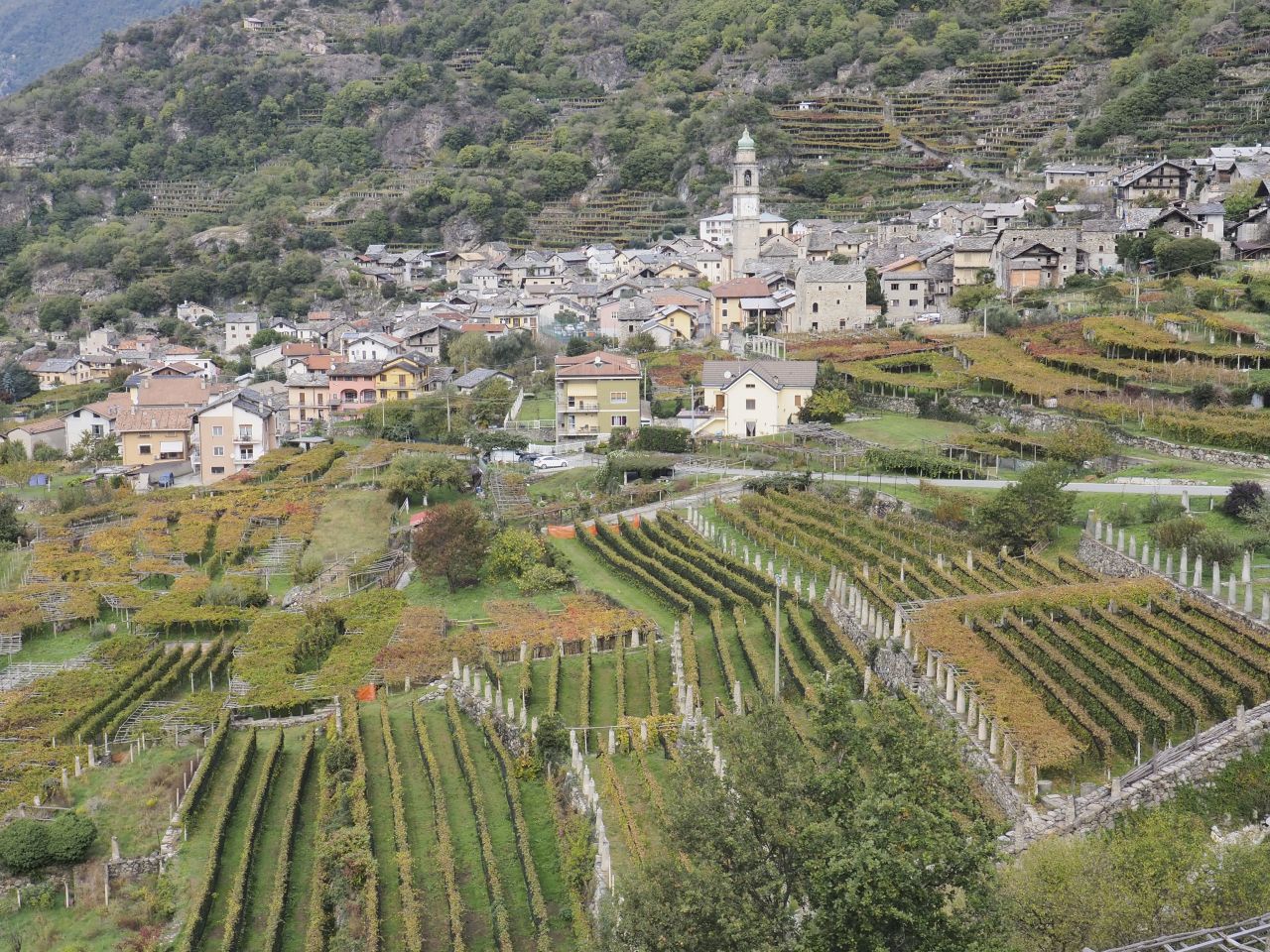
Our journey starts from Carema, the first Piedmontese town that meets coming from the Aosta Valley, where everything speaks of an ancient and patient rurality, built with the strength of the hands and the rhythm of the seasons. The village is a plot of narrow streets, with stone houses and wooden balconies, which here call "lobbies", including the pride of secular fountains, in which who knows how many pilgrims have stopped to quench.
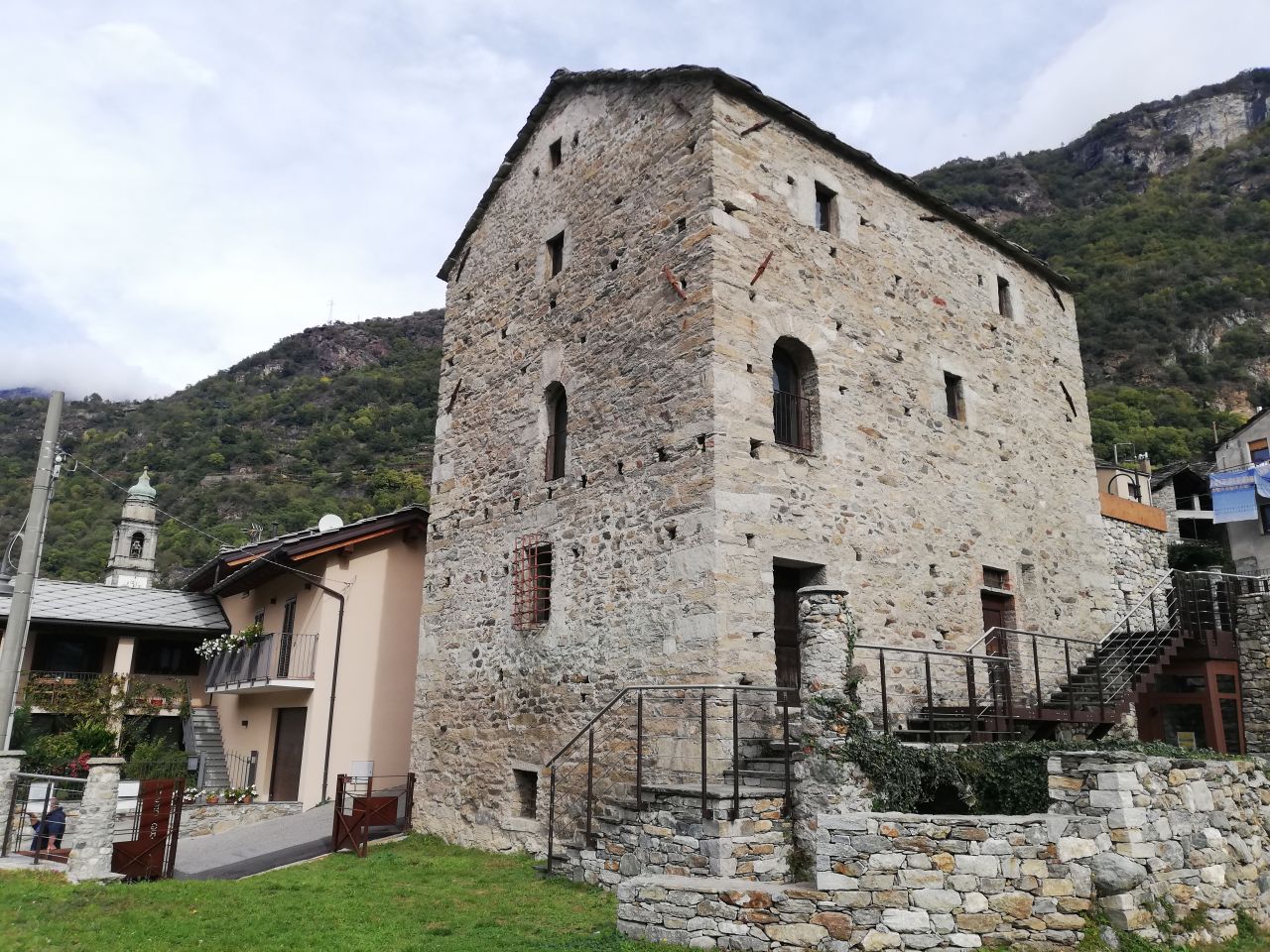
The church of San Martino, majestic and mild at the same time, dominates the village with its Baroque facade and the 18th century bell tower, sixty meters high, an architectural masterpiece of grey stone unique in Piedmont, which rises like a little sentinel on the famine basin. A little further, the massive Gran Masun, a characteristic medieval fortress, evokes turbulent times in which to defend the territory also meant defending its identity.
Among the terraced vineyards where the noble Carema DOC was born
But it is when we look up to the mountain that Carema reveals its deepest soul. The landscape that surrounds us is a prodigy of human obstinacy, a succession of living terraces dug in the morainic rock, climbing on the sides of Monte Maletto, between 350 and 700 meters of altitude. A cyclopic work, forged by generations of famines, which on this vertical background perpetuate heroic viticulture of local Nebbiolo varieties, Picutener and Pugnet.
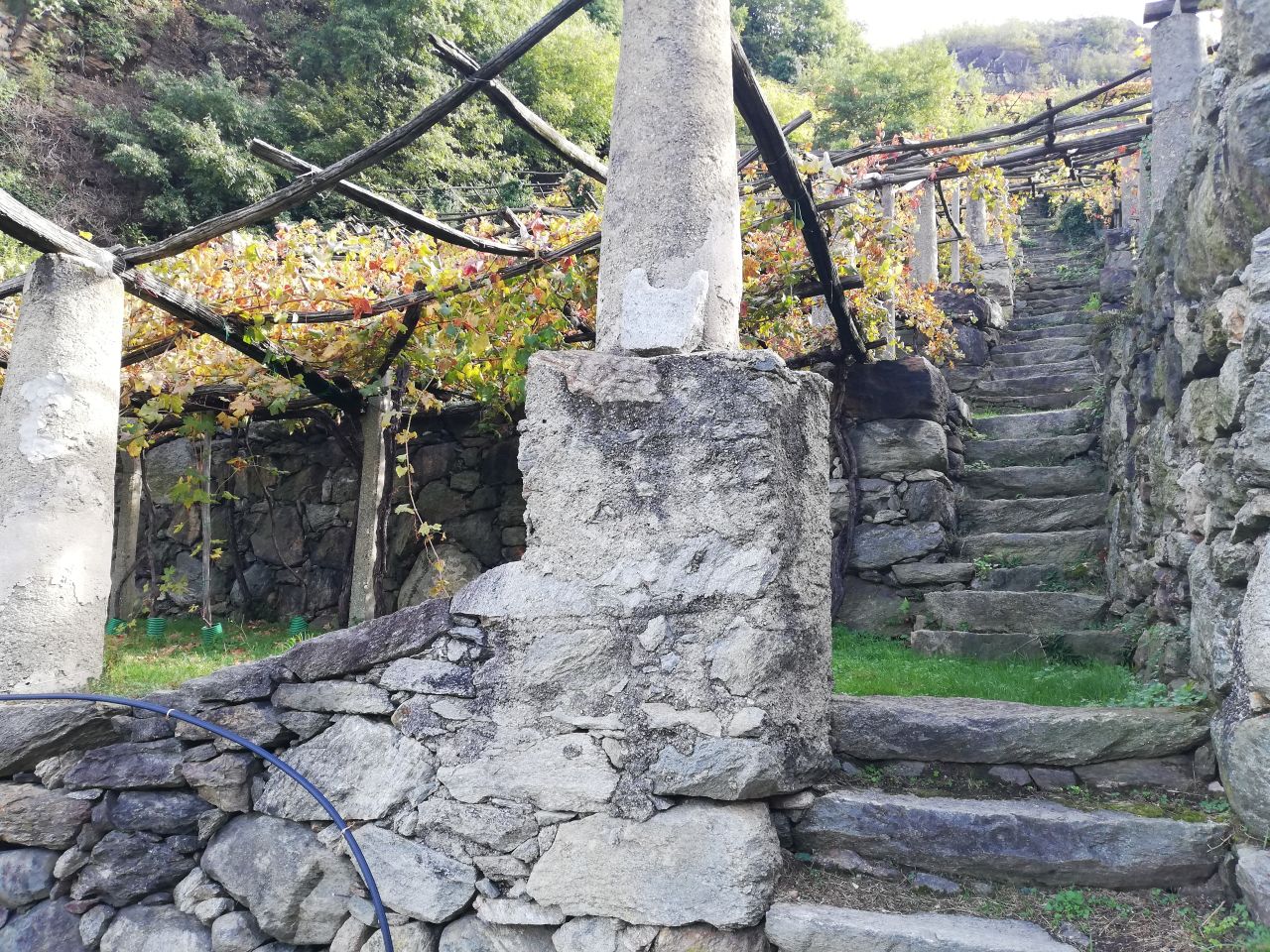
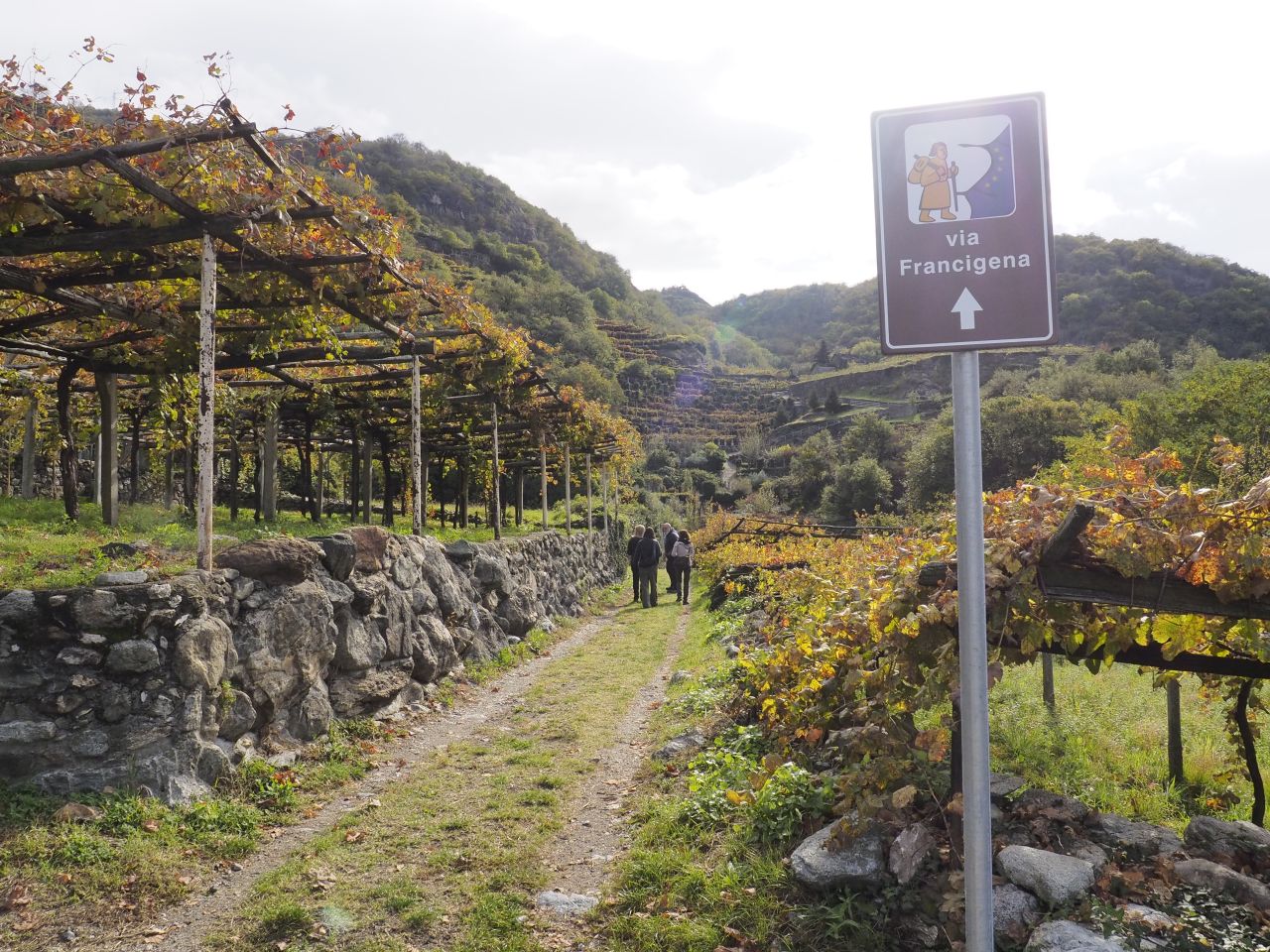
A short stretch of Via Francigena It winds right in the middle of the vineyards that climb among the dry walls, with the pearls of the "toppies" supported by stone columns called pilun, silent allies of the vine, which during the day accumulate the heat of the sun to return it gently during the night, creating a perfect microclimate. The result is the Carema DOC, one of the most noble red wines of Piedmont, with ruby red color that tends to garnet, the perfume that evokes the dried rose and the autumn wind.
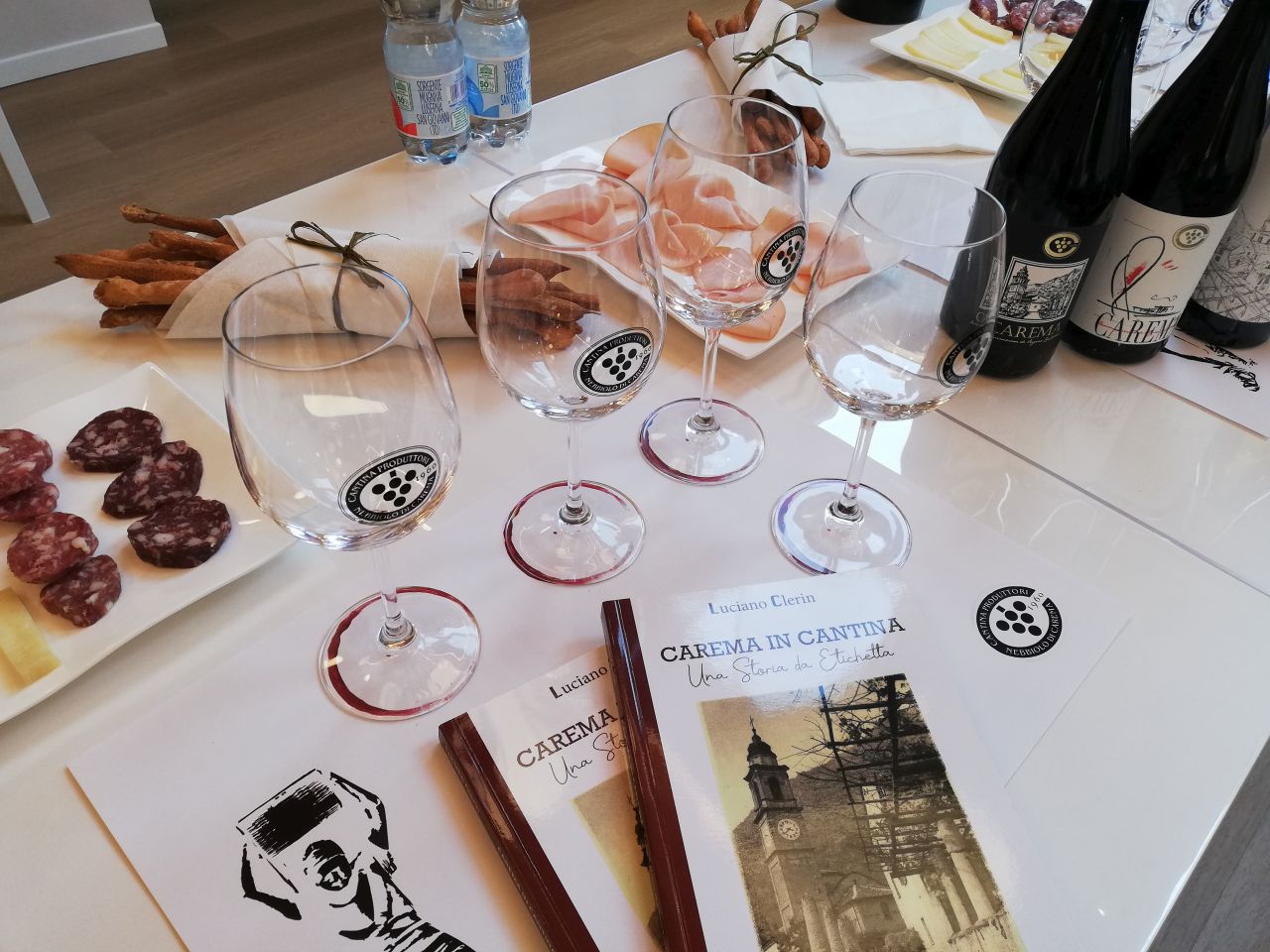
A wine not only drinks, listens, contemplates. The sip is slow, velvety, like the step of those who walk along the Francigena, and tells centuries of patient work, of dry walls built stone on stone, but also of the tenacity of those who chose not to abandon these slopes, believing in the strength and beauty of a unique wine landscape in the world. Slow Food Presidio since 2014, the Carema DOC can be tasted, and of course also buy, at Cantina Sociale Nebbiolo by Carema, which together with the other cellars of the territory preserves not only wine but also the memory of a agricultural civilization of stubbornness and tenacious.
Stop at the precious Pieve di San Lorenzo
We continue towards Settimo Vittone, where the Via Francigena crosses a territory steeped in history. The name itself, which indicates " seven miles from Ivrea", evokes the ancient Roman measurements and a time when the streets were the backbone of the Empire. On a promontory overlooking the valley and the silver course of the Dora Baltea, the complex of Pieve di San Lorenzo e del Battistero di San Giovanni, one of the most precious treasures of pre-Roman Piedmont. When we reach this "Monument marked by FAI" we immediately understand why it was a fundamental stage for medieval pilgrims.
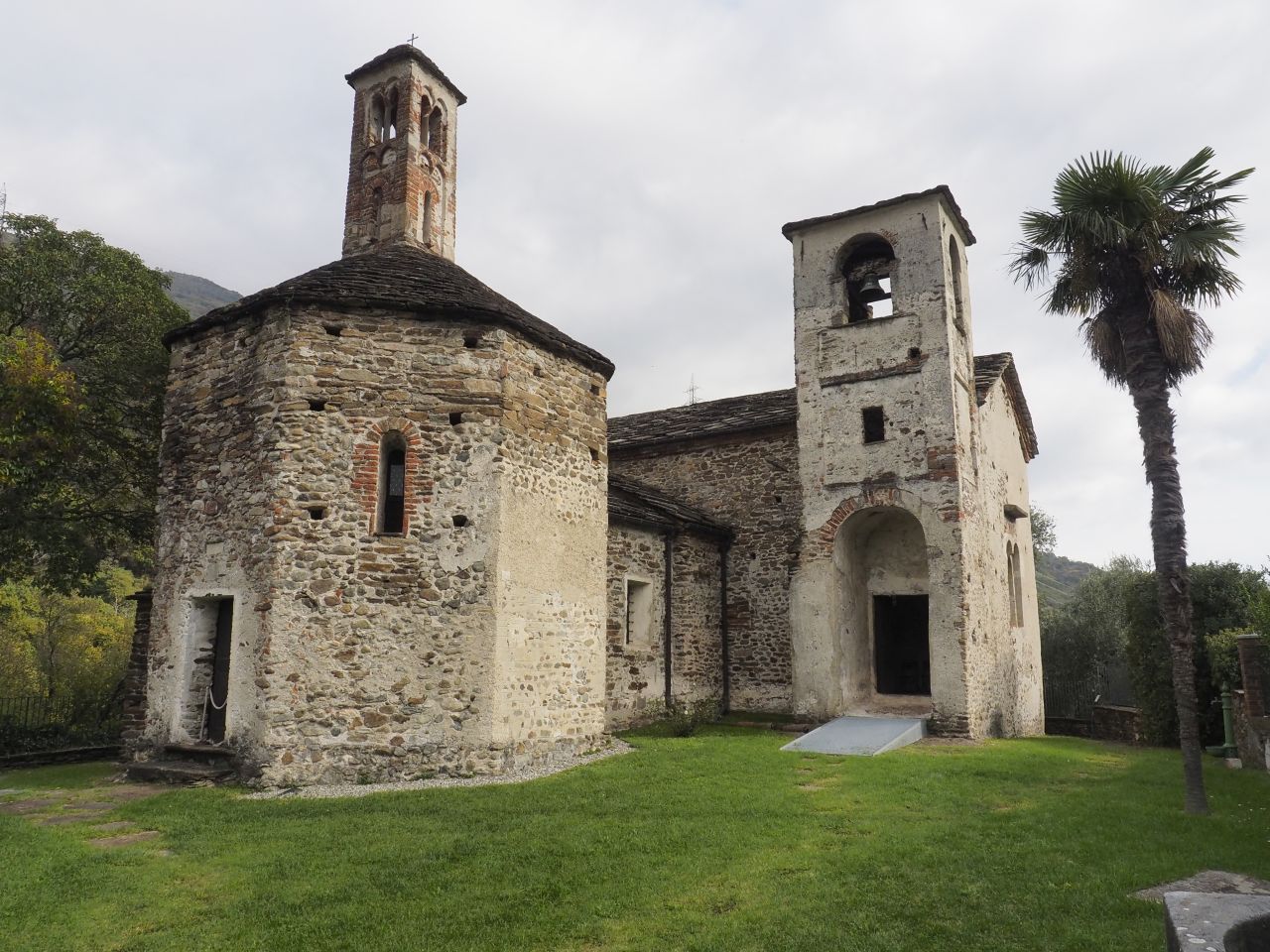
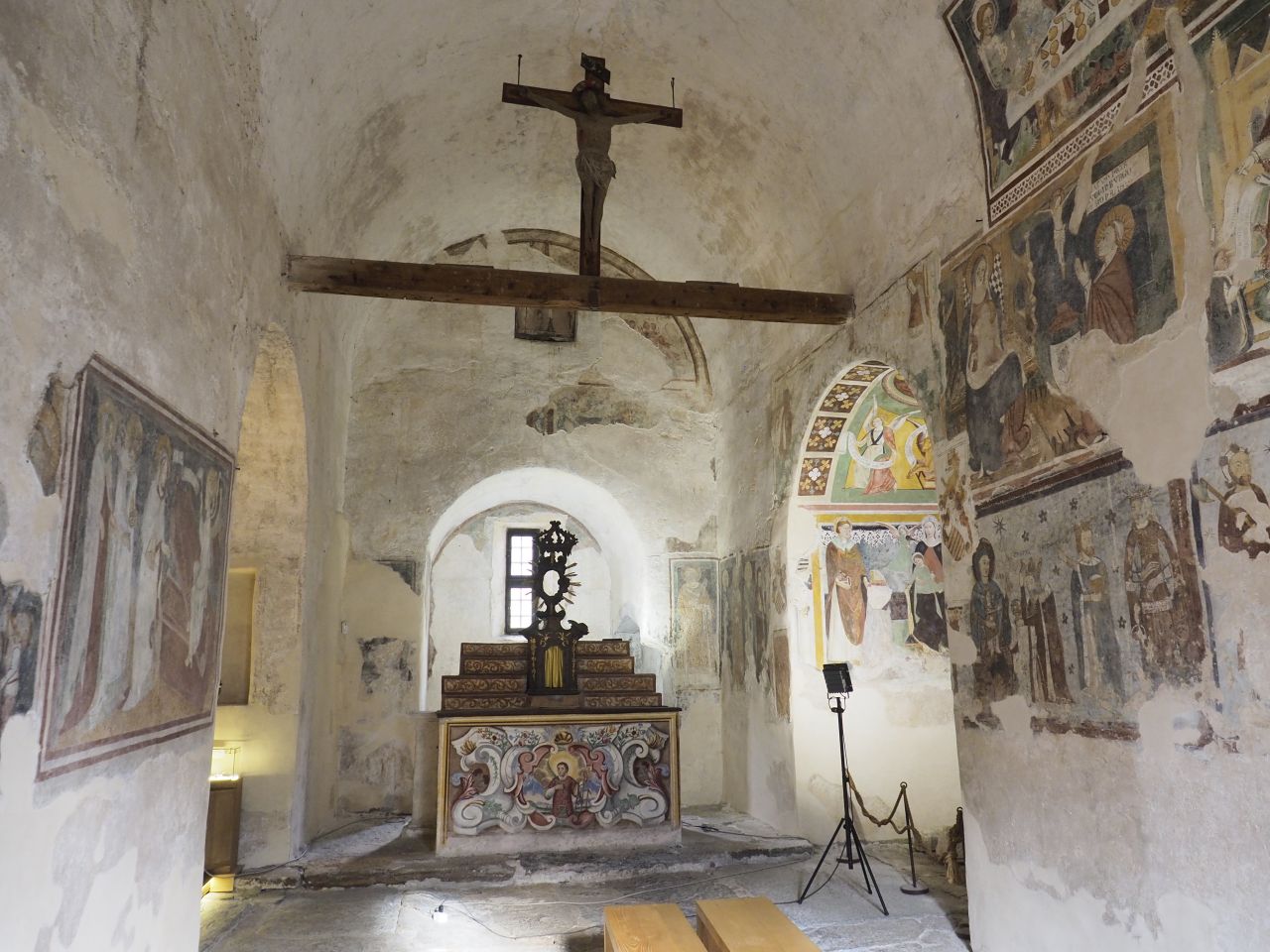
The outside is bare, bare, the river pebbles of the archaic phase alternate with the flat and chiseled slabs of the successive stages, an open book of constructive history. But it is by crossing the threshold that is caught by a sense of wonder. The frescoes, made between the 12th and 15th centuriesWhen every client wanted to leave his sign of faith, they tell faces, gestures, religious stories and life. The figure of San Cristoforo that welcomes those who enter, the scenes of the Sacred Scriptures "parlanti" also for the illiterates, the symbols rich in pathos: all here was thought to "illustrate" the divine word, to make it accessible through art.
And it is easy to imagine the astonishment of the pilgrims who stayed for a prayer or some water, with the whispers and the gaze turned to Rome or on the return to Canterbury. In this suspended place, medieval Europe still seems alive, palpable, as if the stones remembered every step. To visit the monumental complex, the Cultural Association Octava Landscapes of History organizes guided tours of this extraordinary place.
The Balmetti di Borgofranco where the mountain breathes
I repeat the journey towards Borgofranco d’Ivrea, before reaching the country we turn towards the Balmetti area, a seemingly abandoned stone village, shattered at Mombarone. At first glance they seem only huts, ancient farms forgotten by time.
Actually, the Balmetti (from the dialect word "balm", meaning cave or place dug in the mountain) hide a secret, a unique natural phenomenon, which nature has employed millennia to perfect. Through slits of the soil, called "hours", blows a fresh wind, a kind of breath of the mountain that keeps inside the Balmetti a constant temperature of 7-8 degrees all year round, turning them into real natural refrigerators.
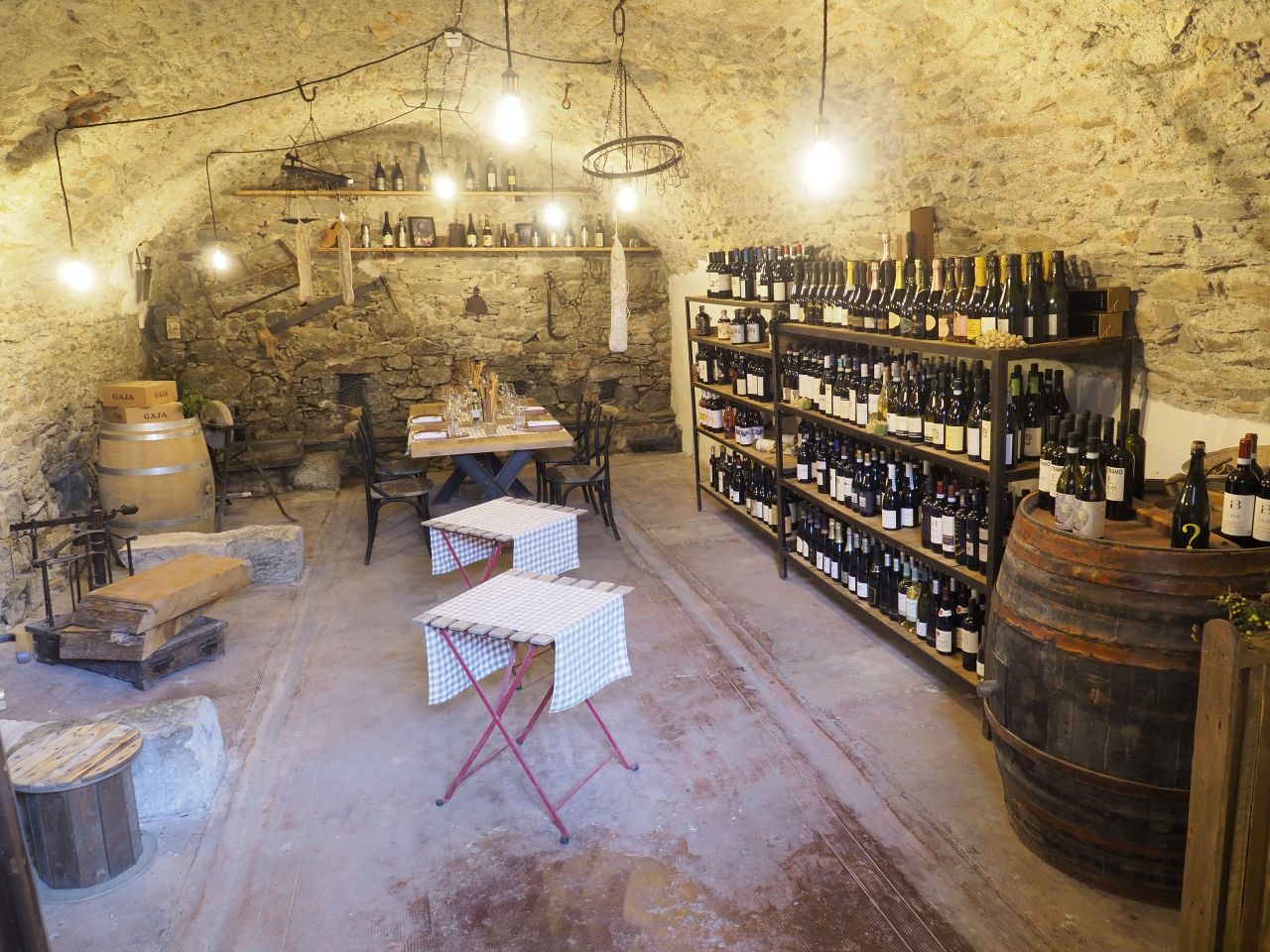
A gift that the locals, in this area once devoted to viticulture, have been able to transform into opportunities, building around these exceptional natural wineries, where the wine matures in perfect conditions, protected by summer heat and winter frost. Where the smell of the wet stone mixes with that of the wood, of the wine that rests, of the land that breathes, they also season cheeses and meats, in a balance of temperature and humidity that no modern technology could replicate with the same perfection.
Traditional cuisine at the Balmetto Mercando
The Balmetti are not a museum, anything else. Used by the owners as cellars, they animate especially at three times of the year, during the Carnival, at the feast of the Balmetti on the third Sunday of June, and in the period of harvest. Some have also been transformed into restaurants, as in the case of Balmetto Mercando, where we stop for lunch.
Born in 1904 as a winery of the Mercando family and transformed into a restaurant after careful renovation, the place develops on several levels, each with its personality. The charming wine cellar with the ancient aging tanks today used as an wine cellar and rooms for the seasoning of cheeses, the bar with the small workshop of typical products, the three restaurant rooms with warm and welcoming environments, the outdoor court and the panoramic terrace that gives the view of the vineyards and the mountains
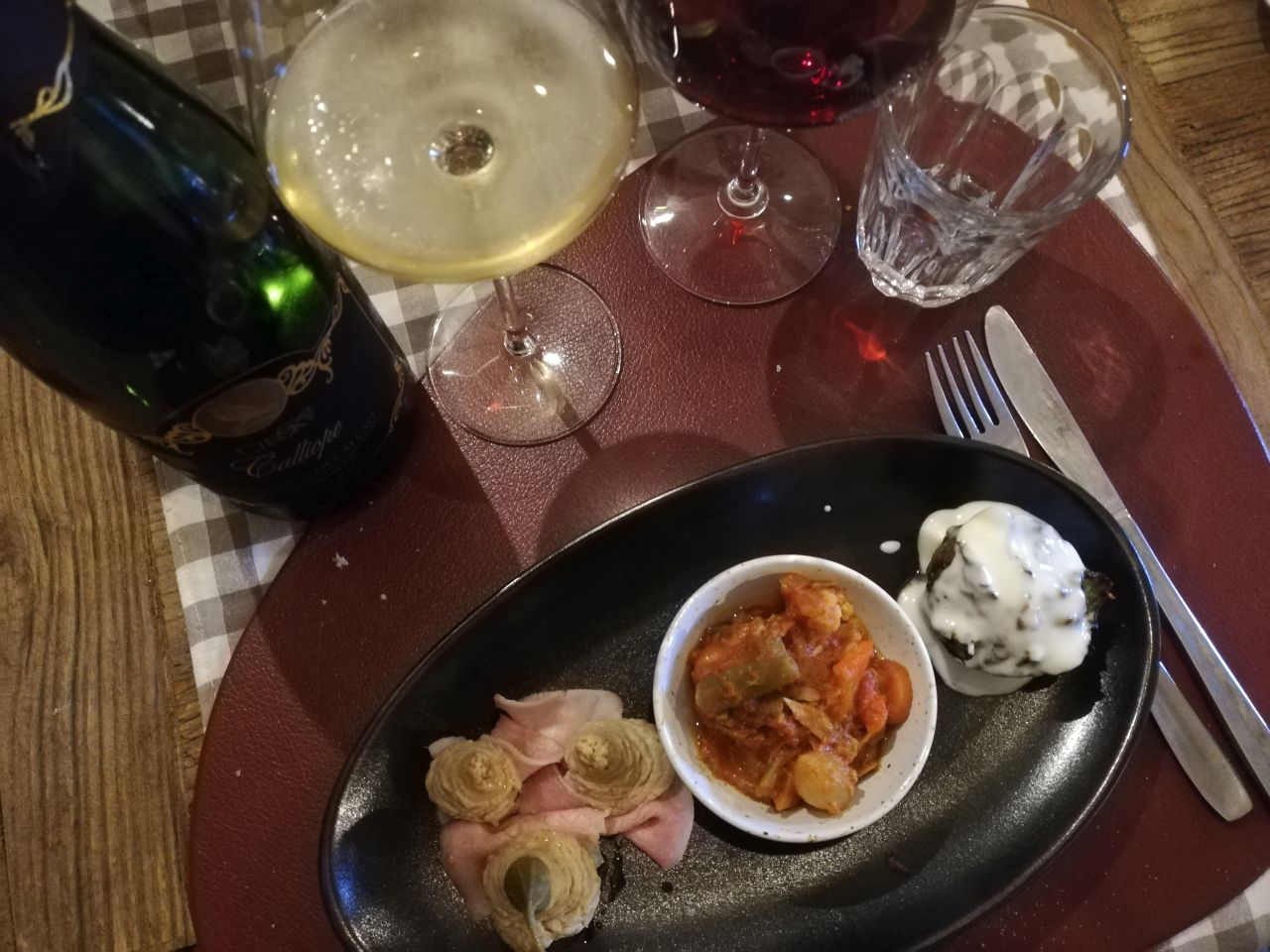
Winner of a recent bet Alessandro Borghese 4 Restaurants, the restaurant offers a kitchen in which each course tells the territory with the language of tradition, with dishes such as the tunaed calf, the raw meat of Fassona, the Piedmontese appetizer with tuna and gardener in red, the toma refined in the balmit. The wine card is no less and prefers local and Valdostane labels, without forgetting the great red wines of the Langhe.
Night in a charming maison in Ivrea
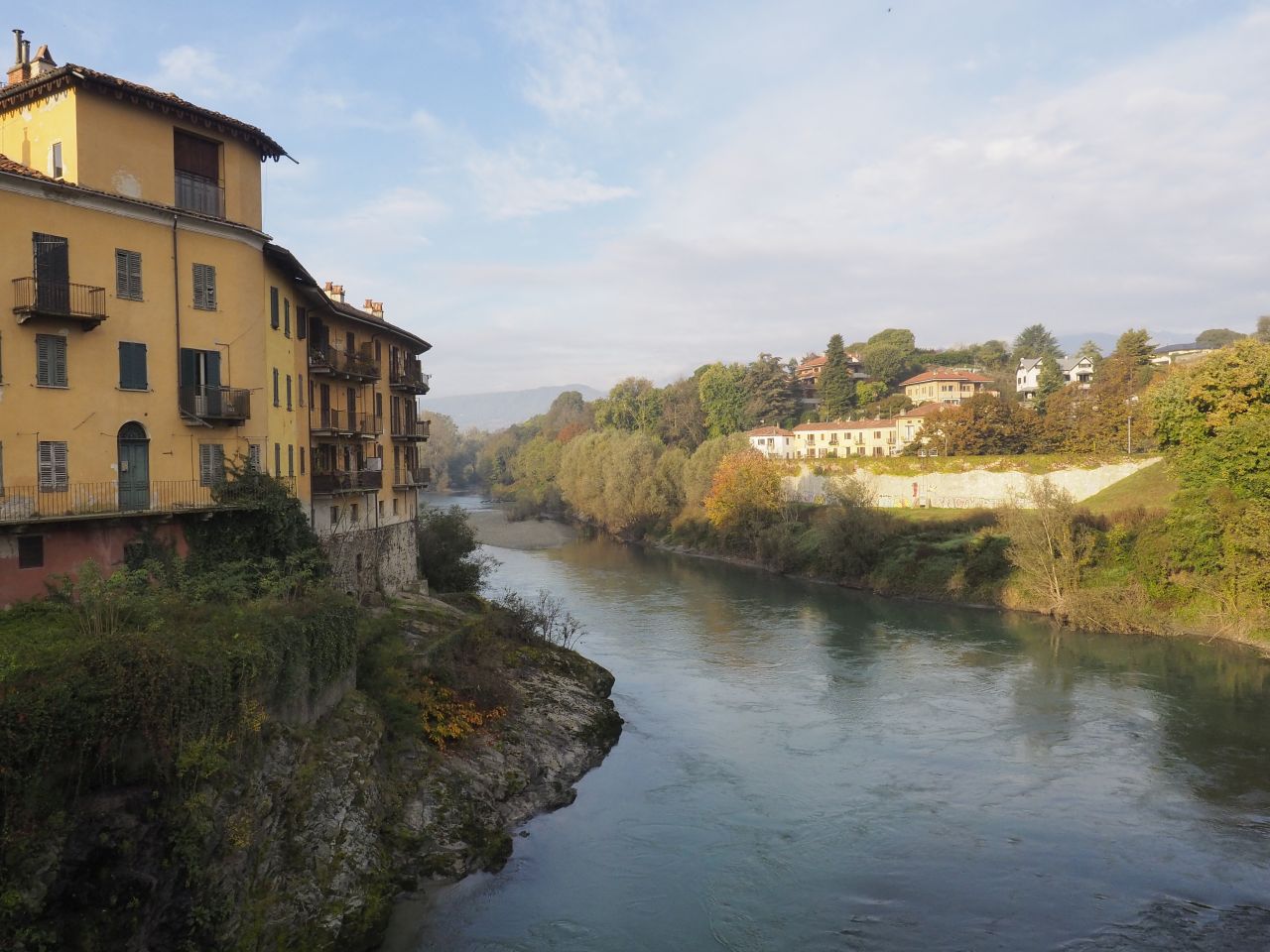
In the afternoon we reach Ivrea, point of arrival of the first part of our itinerary along the Via Francigena morenico-canavesana. Here we welcome Dora Maison de Charme, a small boutique hotel set in a historic residence a few steps from the historic center. Only four rooms, with a warm and well-kept atmosphere, some overlooking the Dora Baltea, which flows lively under the Ponte Vecchio, the ancient passage of Roman origin that for centuries was the only crossing between the two banks.
And listening to the song of the water that mixes with the sounds of the evening, we like to imagine that Sigerico, returning from his pilgrimage to Canterbury, crossed this same bridge, looking at the same river that is gilded in the light of sunset.