
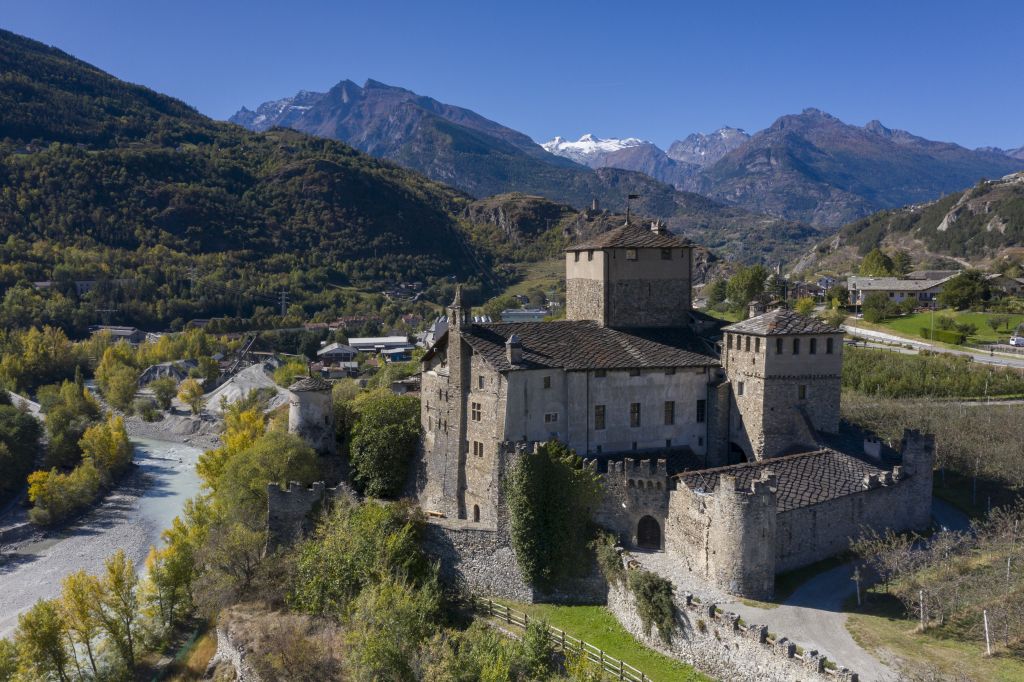
We discover the magnificent Sarriod de la Tour Castle, whose walls tell the glorious past of the Aosta Valley and preserve extraordinary treasures of medieval art, including the Lament on the Dead Christ of Jean de Chetro and the intriguing path between sacred and profane visions of the Middle Ages.
In the heart of Aosta Valley, a majestic manor stands among the orchards of Saint-Pierre, ready to unveil the charm of the fifteenth century Aosta Valley, an era of extraordinary artistic blooming between late Gothic and Renaissance.
Index of Article
Castello Sarriod de la Tour
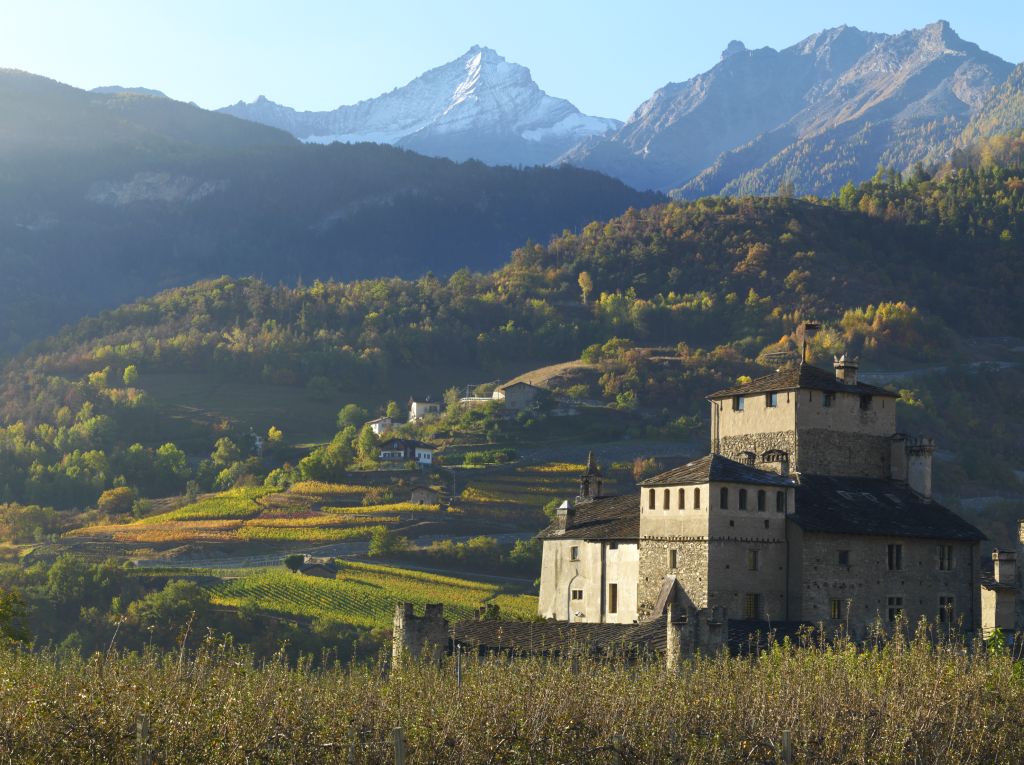
The Sarriod de la Tour Castle, a gem of medieval art, reopened its doors to the public after careful and demanding restoration. A scribe of wooden works of art returns accessible, and with it a recent regional acquisition, the Lament on the Dead Christ of Jean de Chetro, a polychrome masterpiece that gives new light within its ancient walls.
The Head of the Lament on the Dead Christ
Among the novelties awaiting visitors, an extraordinary acquisition of Aosta Valley region deserves special attention: the Lament on the Dead Christ by Jean de Chetro, a rare fifteenth-century wooden panel with original colors restored after centuries of occultation. This polychrome masterpiece, beautifully restored at the Centre of Restoration of the Royal Venaria, now finds its ideal home in the Sarriod de la Tour Castle. The work of art in wood dates back to the fifteenth century and is an exceptional testimony of the art of the period, with its original colors finally revealed after centuries of oblivion.
Lament on the Dead Christ is one of the most recurring themes in Christian art, especially since the last centuries of the Middle Ages and during the Renaissance. This scene represents the Christ laid down by the cross, surrounded by some people who mourn his death. In the specific case of this table carved with relief, there are the Madonna, Maria Maddalena and San Giovanni Evangelista, while in the background there are two female figures and two angels. It is likely that this work was the central part of a triptych, but unfortunately the two side doors were lost over time.
Jean de Chetro, a Valdostano of origin, was one of the famous sculptors of the time, and probably formed at the same residence as the Sarriods.
A Stone Castle with a Wood Soul
The castle Sarriod de la Tour is much more than a stone palace: it is a work of living art, a symbol of the golden century of the art of Aosta, which relives in all its splendor thanks to an intervention of valorisation that has regenerated its building structure, plant and construction. Co-funded with regional and European resources, the works have made possible the restoration of the surfaces of the walls of the cinta and the preparation of a new path of ring visit within the structure.
A Dialogue between Artworks at Castello Sarriod de la Tour
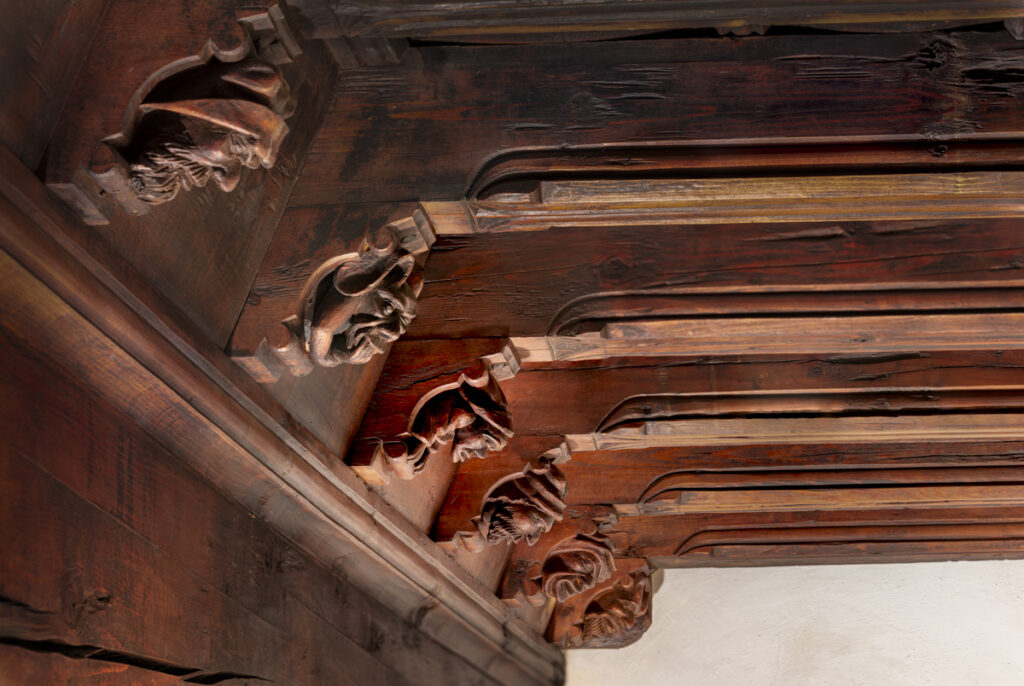
The Lament on the Dead Christ of Jean de Chetro, now exposed in the castle, dialogues with other artistic wonders preserved within its walls. One of the most fascinating environments is Headroom, which boasts an extraordinary wooden ceiling carved with fantastic creatures, monsters, human beings, dragons and sirens populate the carved wooden ceiling, dating back to the 1930s. This room represents a concentrate of medieval art, reflecting the spirit and charm of those past times.
Visions of Middle Ages: A Route between Sacred and Profane
The castle also hosts the exhibition "Visions of Middle Ages," a fascinating artistic journey that offers a unique and curious look on medieval art, both sacred and profane, with a special focus on the noble Sarriod de la Tour family, owner of the manor for nine centuries. Sacred and profane blend into a unique experience, rich in history and mystery.

