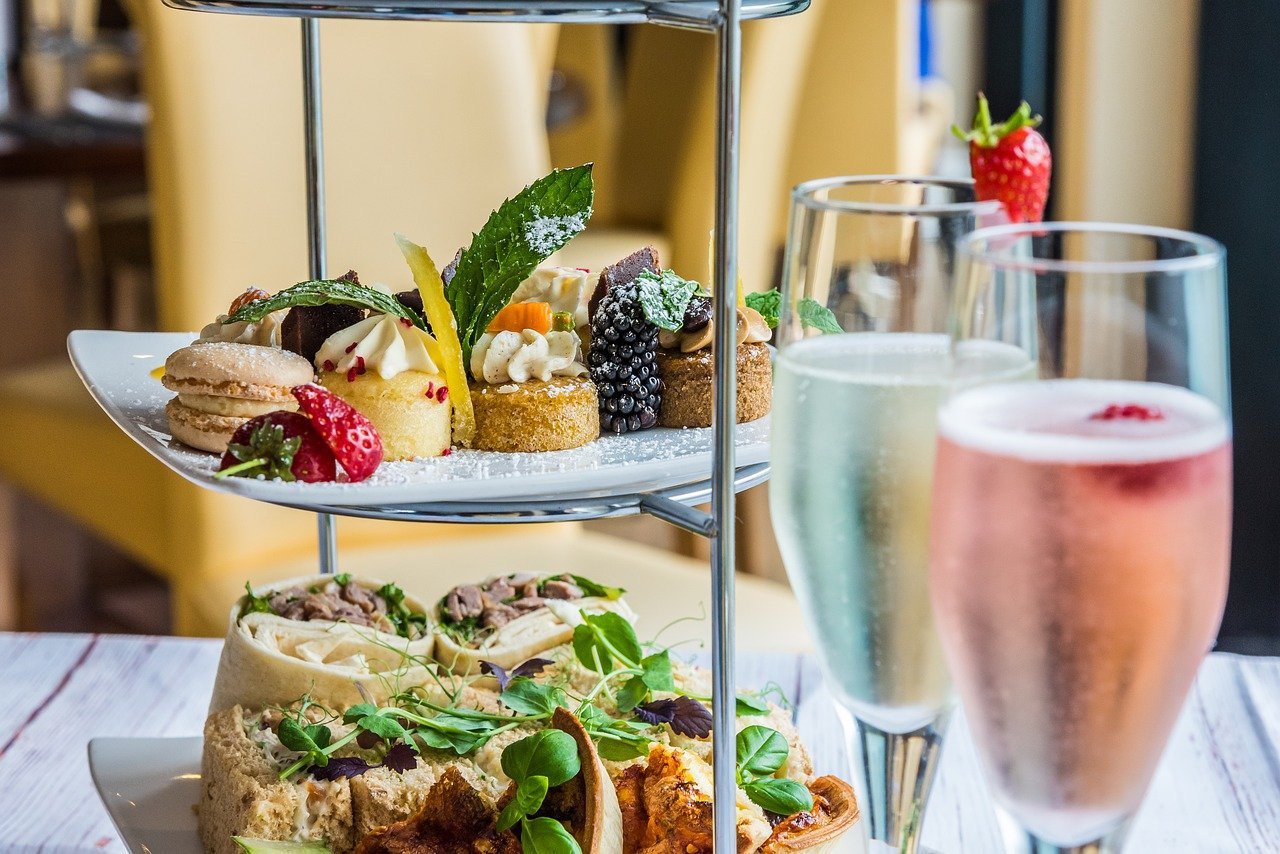
Champagne combinations: the right food, glasses, label and everything you need to know to serve champagne impeccablely.
Champagne is the wine of the feast and the festivities. There is nothing better than the legendary French sparkling wine to celebrate an important event, a family recurrence, a job success, but also to start the day with an effervescent Champagne breakfast.
The truth is that there is no more versatile wine than that produced exclusively in Champagne, the wine region east of Paris declared byUNESCO World Heritage Site, and every moment is good to taste a glass of the king of wines. So it's better to keep a bottle fresh, you never know.
If you do not have a well-stocked trusted wine shop, you can also buy your champagne online on a site specializing in prestigious wines. As for example Mill, which selects the best labels directly from the producers and has in the catalog the great vintages of the most representative Champagne maisons, including Dom Pérignon, Bollinger, Krug, Veuve-Clicquot, Louis Roedererer and Laurent-Perrier.
How to combine champagne
Not only oysters and caviar: champagne is accompanied beautifully with a great variety of foods, so much so that it can be considered a full-feed wine, from aperitif to dessert.
The Blanc de Blancs champagnes with the prevalence of chardonnay grapes tend to be lighter and delicate, they are perfect therefore combined with slightly salty foods such as seafood, oysters, crustaceans, but also to raw or slightly cooked foods, such as grilled lobster, scallops and any type of shrimp, steamed, raw or grilled.
If you love sushi, try to accompany it with a Brut or Blanc de Blancs: it will be a truly amazing taste experience.
Champagnes with a predominant of grapes Pinot Noir or Pinot Meunier They tend to have a stronger and fuller body that well fits white meat dishes, but also steaks. With the game, the duck and the lamb is instead more indicated a Rosé champagne.
The Brut is perfectly matched with smoked salmon and eggs in a shirt, with fried foods, mushroom dishes and truffles and with almost all types of cheese, especially seasoned ones. While with goat cheese it is more recommended to choose a more delicate champagne Blanc de Blancs.
Champagne is probably the only dry wine that matches wonder with fresh strawberries, chocolate and dessert not too sweet, such as tarts, fruit cakes and any lemon-based dessert. In this case, it is better to opt for a demi-sec, slightly sweeter than the brut.
How to serve champagne
Serving champagne is an art, which follows few, but precise rules.
Champagne drinks cold, at a temperature between 8 and 10 degreesSo it's good to keep it in the fridge, but not in the freezer. First because you would risk forgetting it, then because the sudden temperature changes are definitely not recommended for such a fine wine.
Better rather keep the bottle in champagne bucket with fresh water and some ice cube.
Unless you're the winners on the podium of a sports competition, the bottle should not be shaken before the opening, an operation that requires a minimum of dexterity. First remove the iron fil cage and the bottle neck lining.
Then, firmly holding the bottle with the left hand, rotate it slowly to release the cap, accompanying it with a slight pressure in the fold between thumb and index of the right hand.
Cup or flute? Neither. According to connoisseurs the perfect glass is the tulip shaped glass, of course in fine crystal, which enhances bubbles and aromas. Absolutely not recommended to "sweet" the glasses before pouring the wine, because the condensation would prevent you from admiring the color and perlage of the champagne.
The calyx, which should be kept from the stem not to heat the content with the heat of the hand, fills for about a third approaching the bottle to the edge to favor the release of the bubbles, which are the true champagne magic.
And to think that initially, he even tried to eliminate the particular effervescence of Champagne wines, which caused the explosion of the bottles. According to tradition, he was the French monk Dom Pérignon the first to guess that there was a way to make wine sparkling in bottle and that was how the champagne, the king of wines, the wine of the kings was born.

