
What to see in Palermo, follow me on a fascinating itinerary through 10 places not to be missed and hidden treasures of this intriguing city that boasts a historic UNESCO World Heritage centre. Prepare to immerse yourself in its vibrant and multicultural atmosphere that will conquer you at the first stroke.
The most striking way to reach Palermo is to arrive from the sea, maybe aboard the comfortable ferries Tirrenia that make the beach between Naples and the Sicilian capital, saving several hours of travel at the wheel. In this way you will arrive at a fresh and restful destination, ready to explore the magnificent Palermo, which welcomes you with its majestic baroque palaces that shine under the scorching sun and the ancient churches rich in works of art that offer shelter and care.
Index of Article
1. Cathedral of Palermo
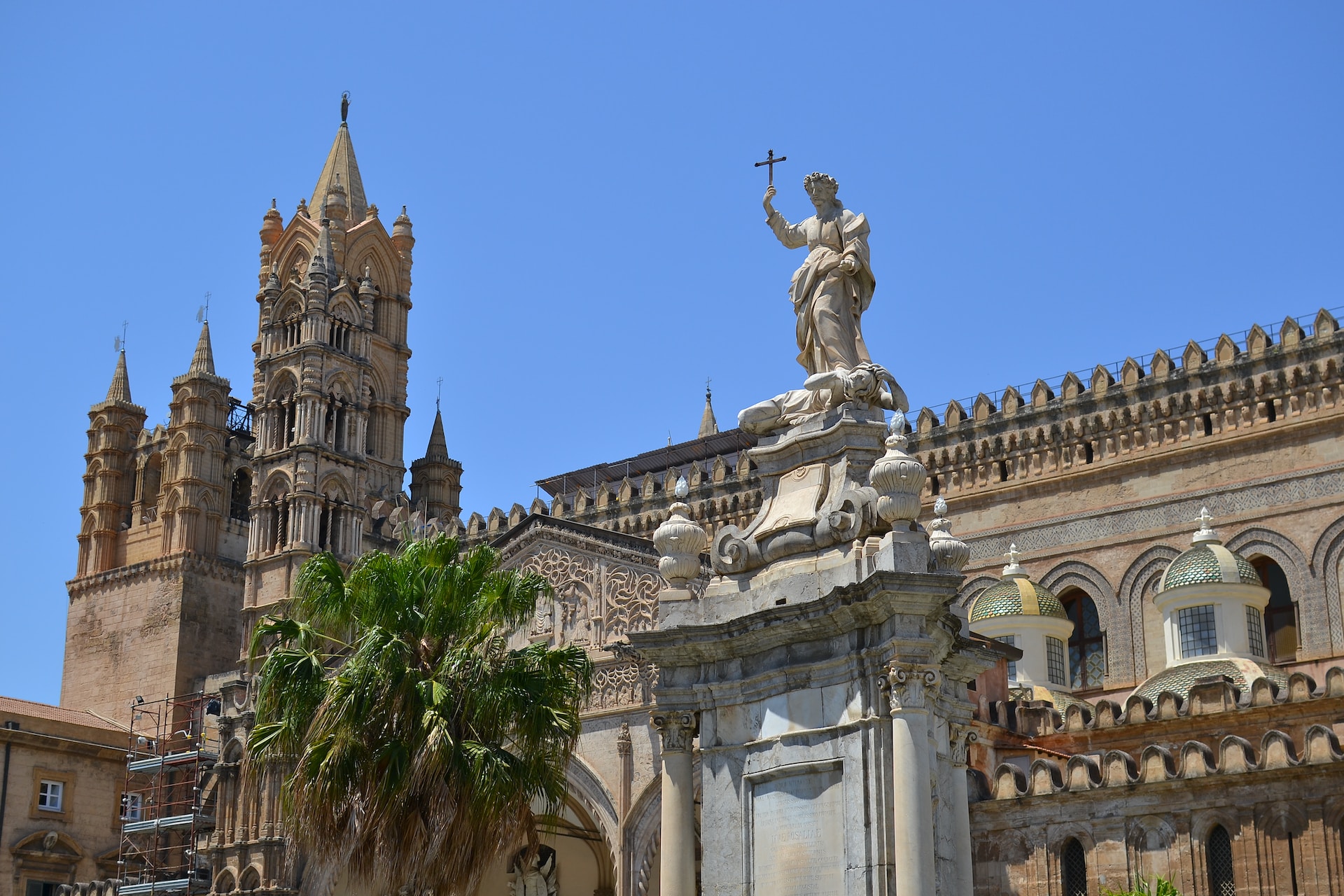
Start your tour from the Cathedral of Santa Maria Assunta, one of the architectural jewels of Palermo. Its history has its roots in the 12th century, although it has undergone numerous interventions and changes over time, reflecting the different cultural influences that shaped the city, so much to be considered "the book of history of Palermo".
The architecture of the Cathedral of Palermo is a fusion of styles, ranging from Romanesque to Gothic, from baroque to neoclassical, while the majestic dome dominates the horizon, visible from different parts of the city.
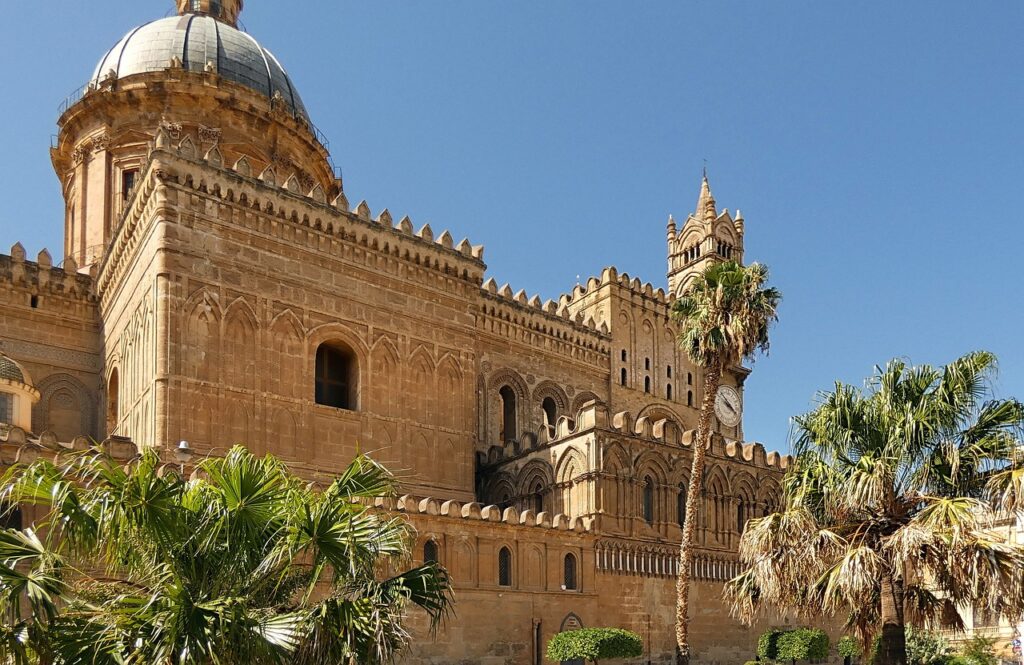
sculpted portals and decorative details, which testify to the ability of hosts of artisans and artists, adorn the facade. But it is the interior of the Cathedral that will leave you speechless. Here you can admire the monumental marble altar, decorated with sculptures, bas-reliefs semi-precious stones and fine wood. Precious objects also enrich the treasure of sacred art, where among liturgical vestments, relics, chalices, breviaries, ostensors, stands the tiara belonged to Aragon Constance
Worthy of note is the royal crypt, where several Sicilian rulers are buried, including Emperor Frederick II, Roger II and William I. Before leaving, dwell on the side chapels, including the one dedicated to Santa Rosalia, patron of Palermo, each with its style and its history, frescoed and enriched by Baroque altars and statues.
2. Norman Palace
Coming out of the Cathedral, head towards the nearby Norman Palace, one of the oldest royal palaces in Europe and among the most prestigious attractions of the city. It is not only a symbol of royal power, but also an important testimony of the history and culture of Palermo. Visiting this ancient palace, which today is the seat of the Sicilian Parliament, means making a journey over time, immersing itself in the charm and elegance of the court life of various eras and discovering the traces of the different civilizations that have contributed to shaping the city.
The same architecture of the Norman Palace reflects the different influences that have characterized the history of Palermo, having been expanded and modified by the rulers who have succeeded over the centuries. The original nucleus features typically Arab elements, such as horseshoe arches and geometric decorations, but over time Norman, Gothic and Renaissance influences were added, creating a fascinating mix of styles.
Among the highlights of the visit of the palace are the Palatina Chapel, a real gem of medieval art, and the royal apartments, which preserve period furniture and valuable art. The splendid halls, majestic staircases and decorative frescoes are evidence of the luxury and prestige surrounding the sovereigns.
3. Palatine Chapel
A highlight of the visit of Palazzo dei Normanni, the Palatina Chapel is an architectural and artistic jewel that alone deserves a journey for its magnificence. Built in the 12th century, it is a perfect example of fusion of architectural and artistic styles, a unique combination of Byzantine, Arab and Norman elements. The vividly coloured mosaics and details in the Mozarabic style that cover the walls and the ceiling, depicting scenes of the Bible, portraits of rulers and saints, are of an extraordinary beauty and constitute one of the most precious artistic treasures of Sicily.
The atmosphere inside the chapel is very magical, with the light that filters through the colored windows and creates an aura of sacredness. An additional reason to include the Palatine Chapel among the unmissable places to see in Palermo.
4. Piazza Pretoria
At this point, head towards Piazza Pretoria, where history and art blend into a suggestive harmony. In fact, the Fontana Pretoria, an impressive Renaissance work of art, famous for its complexity and beauty. Stairs and staircases are enriched by numerous marble statues of mythological deities, nymphs and fantastic creatures that testify to the ability of the sculptors of the time.
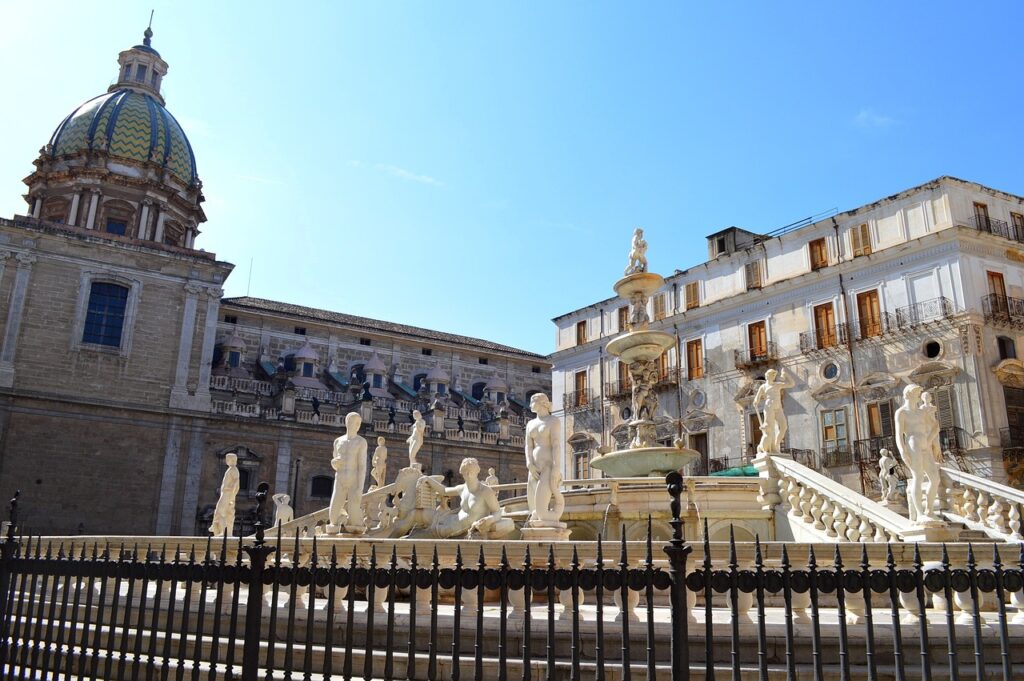
The meaning of the Fontana Pretoria has always been a reason for debate. Some believe that the statues represent human vices and virtues, while others argue that they have been commissioned to celebrate the beauty of the human body. Regardless of their original meaning, the statues of the fountain are a real spectacle for the eyes, a testimony of Renaissance art that merges with the lively atmosphere of the square, surrounded by historic buildings, cafes and shops, which create a picturesque setting and invite you to a relaxing walk.
5. Teatro Massimo in Palermo
If you are passionate about music and culture, a must-see is the Teatro Massimo, one of the largest in Europe and one of the distinctive symbols of the city of Palermo. Opened in 1897, its history is full of passion for art and opera, and represents an important point of reference for Sicilian and international culture.
Its neoclassical, majestic and imposing façade, characterized by elaborate columns and decorations, welcomes visitors in a world of elegance and refinement, made of sumptuous salons, frescoes, crystal chandeliers and Art Nouveau decorations. The perfect acoustics and the magical atmosphere of the theatre make every show an unforgettable experience.
If you have the opportunity, do not miss the opportunity to attend a show of the rich theatrical season ranging from great classics to contemporary productions, involving internationally renowned artists.
6. Market I will dance
Visiting the Ballarò Market is a sensory experience to try if you want to have an authentic taste of traditional Sicilian cuisine and everyday life of Palermo. My advice is to explore the market calmly, tasting the different specialties and getting involved by the hustle and bustle of the stalls that offer local products, traditional items and, above all, delicious street food.
Ballarò is a real kaleidoscope of odours, sounds and colors, and it is a pleasure to wander through the quay of fresh fruit and vegetables, cheeses, meats, fish and local delicacies such as panelling, crocché, sfincioni, arancine and all the best of the typical street food They're clearing. Impossible not to be tempted and, in doubt, taste a little of everything.
7. Church of Martorana
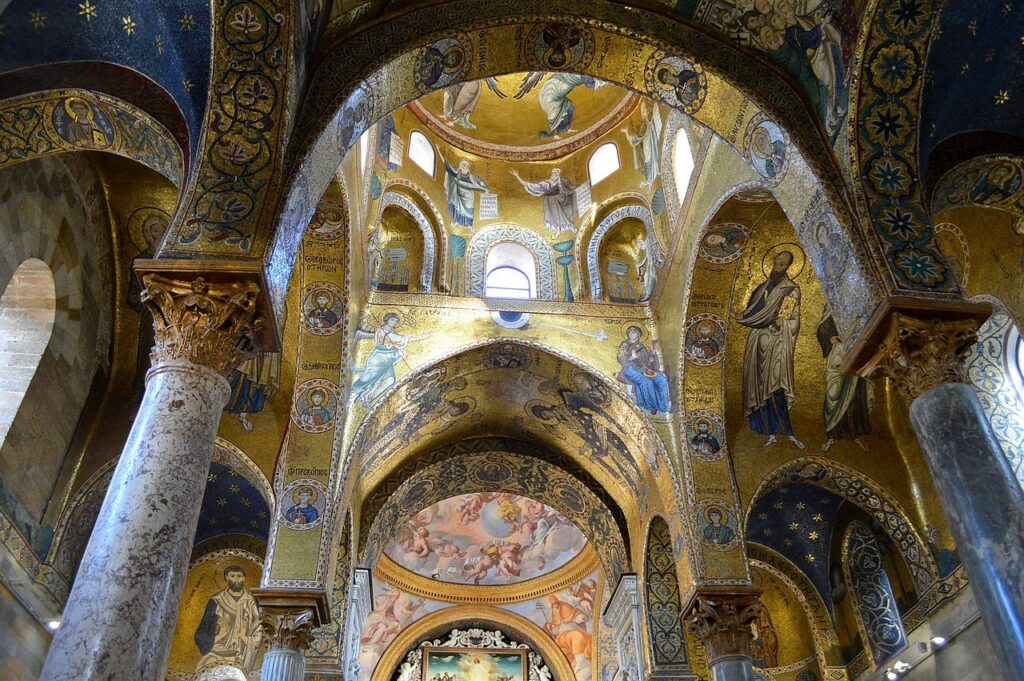
Continue your tour, reach the Church of Martorana. The relatively simple exterior façade does not take hold of one of the masterpieces of Byzantine art in Sicily. But just enter to remain enchanted by the magnificence of the Church of Martorana known for its unique combination of Byzantine and Norman architectural elements.
The interior, enriched by horseshoe arches and Byzantine mosaics that reflect the Norman influence, is a tripod of spectacular frescoes and mosaics that adorn the walls with scenes of the Bible with vivid colors and refined details that create an atmosphere of sacredness and culminate in the dome with the Pantocrator Christ surrounded by angelic figures. This mosaic is considered one of the masterpieces of Byzantine art in Sicily and captures attention for its extraordinary execution and intense spiritual expression.
8. Botanical Garden of Palermo
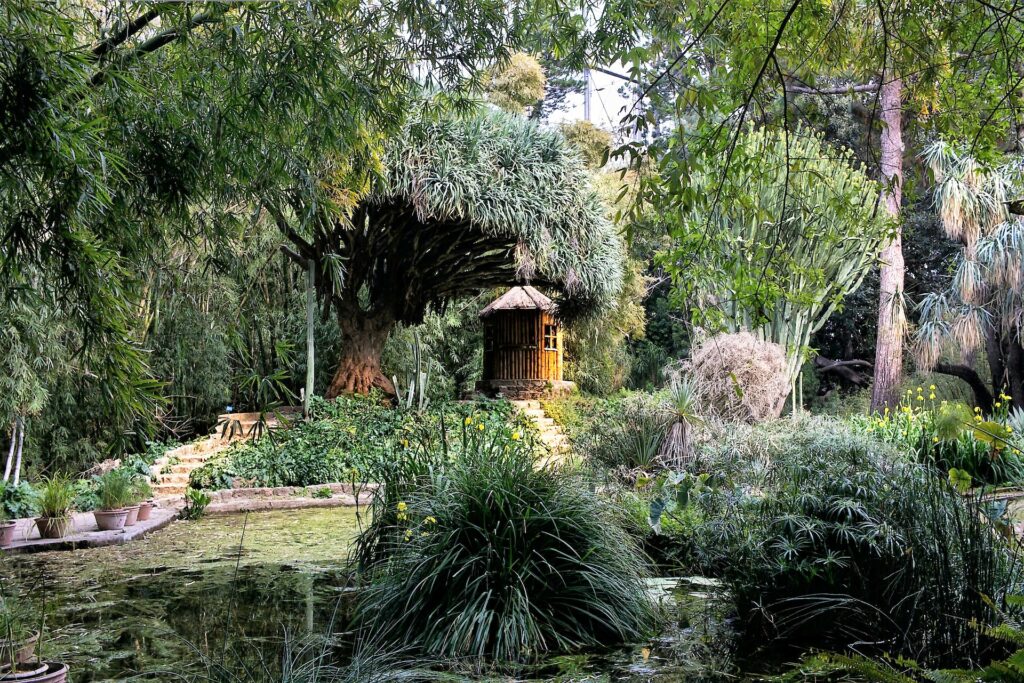
For a relaxing break, nothing better than a walk to the Botanical Garden, a charming green oasis in the heart of the city, where to find peace and tranquility in the middle of the urban frenzy.
Walking through romantic avenues, ponds with nymphs, fountains and shady paths, you can admire exotic plants from all over the world, secular trees, majestic palm trees, rare flowers and tropical plants. There are areas specially equipped for picnics, where you can take a basket full of local delicacies to enjoy them surrounded by lush nature.
9. Catacombs of Capuchins
The Capuchin Catacombs are one of the most unusual and fascinating places to visit in Palermo. It is a macabre as charming underground maze with hundreds of incredibly well preserved mummies arranged along the corridors. Located under the Capuchin Convent, they were used as a burial place for members of the religious order from the early 17th century until the 19th century.
The climatic conditions of the catacombs, characterized by low humidity and constant temperatures, favoured the natural mummification of the bodies. Every mummy tells a silent story, with untouched facial expressions and dresses of the time that testify to the life and death of those who are buried there.
10. Ziza Castle
If, at the end of your tour, you want to take a trip back in time, diving into the greatness of a past era that has left an indelible mark in the history of the city, do not miss the visit of the Zisa Castle, an extraordinary example of Arab-Norman architecture.
The name "Zisa" comes from the Arabic "al-Azīz" and means "splendore". Name that could not be more appropriate, since the castle was originally conceived as a royal residence, which was to reflect the prestige and elegance of the Norman rulers.
The external structure is characterized by geometric shapes, arches and decorations in Moorish style, while the interiors are enriched by frescoes, carved columns and the presence of a garden, typical of Islamic residences.
Today the building houses the Zisa Museum, which presents a collection of archaeological finds and works of art that illustrate the history and culture of medieval Sicily.

