
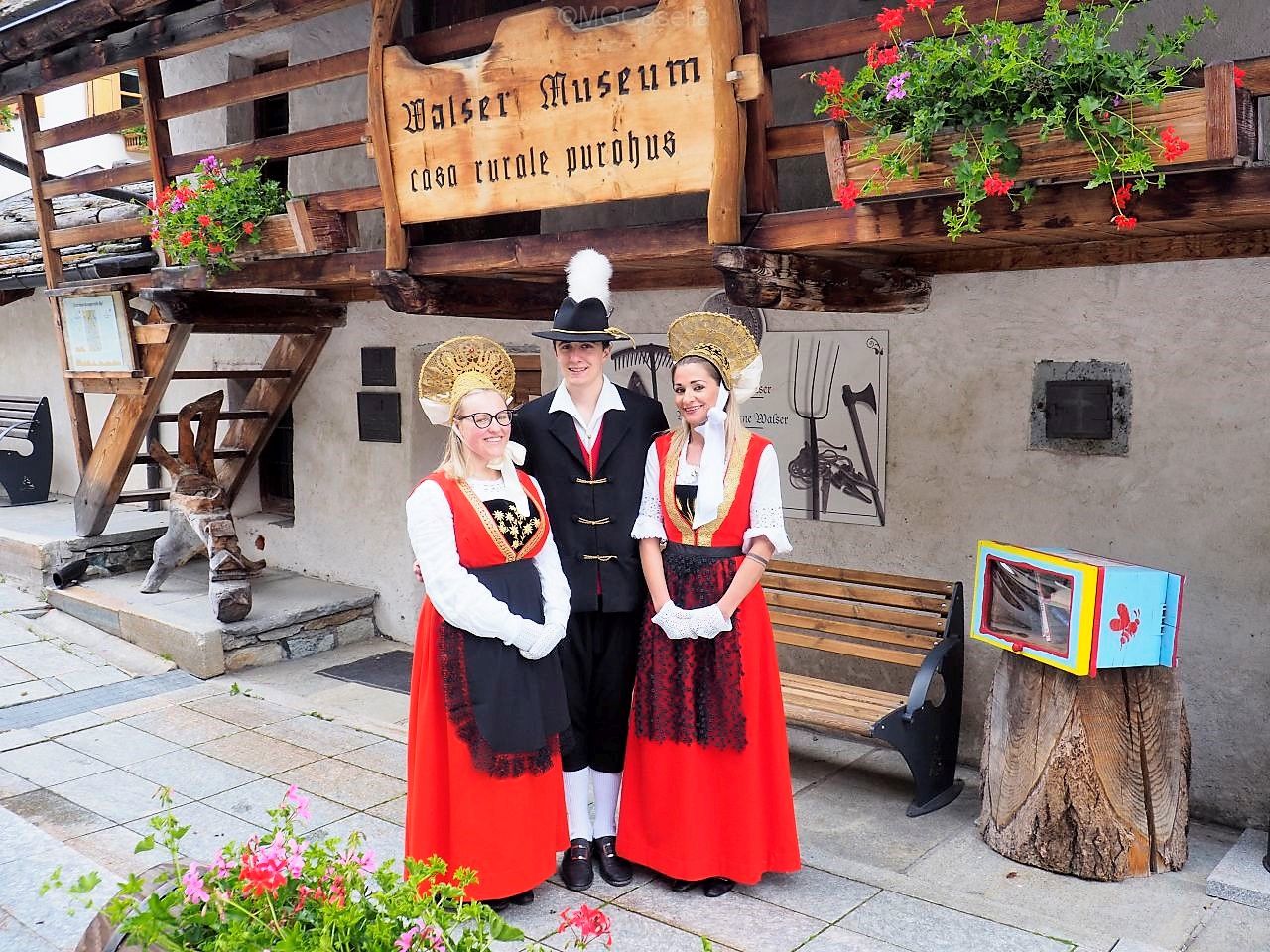
Gressoney, the perfect destination for those looking for a mix of adventure, culture and relaxation in an authentic alpine environment. Surrounded by imposing mountain peaks at the foot of the Monte Rosa massif, the Lys Valley, with the villages of Gressoney-Saint-Jean and Gressoney-la-Trinité, welcomes us with a wild nature and the warm hospitality of the ancient Walser community.
In this article we discover together 21 things not to be missed in Gressoney and in the Lys Valley, which make this valdostana valley the ideal choice to detach the plug for a few days or for a real summer holiday.
Index of Article
1. Gressoney-Saint-Jean: A fascinating Alpine destination between history and nature
Gressoney-Saint-Jean, a popular tourist resort located at an altitude of 1385 meters, offers a suggestive scenery with views of the Lyskamm glacier and the impressive Monte Rosa massif.
The history of Gressoney is closely linked to the Walser community, the people of Germanic origin who arrived in these lands more than eight centuries ago through the Teodulo Pass.
Still today, the traditional heritage of Walser culture is preserved thanks to the Walser Cultural Center and the folkloric group, which keep the traditions alive through the original architecture with the characteristic "stadel", the spoken language called Titsch, and the precious female costumes.
Costumes worn also by Queen Margherita of Savoy, who loved to spend his summer holidays in Gressoney. The first queen of Italy, passionate about mountain, contributed greatly to the development of this resort, which already in Belle Époque became a popular destination for tourists.
What to visit in Gressoney-Saint-Jean
2. Castel Savoia
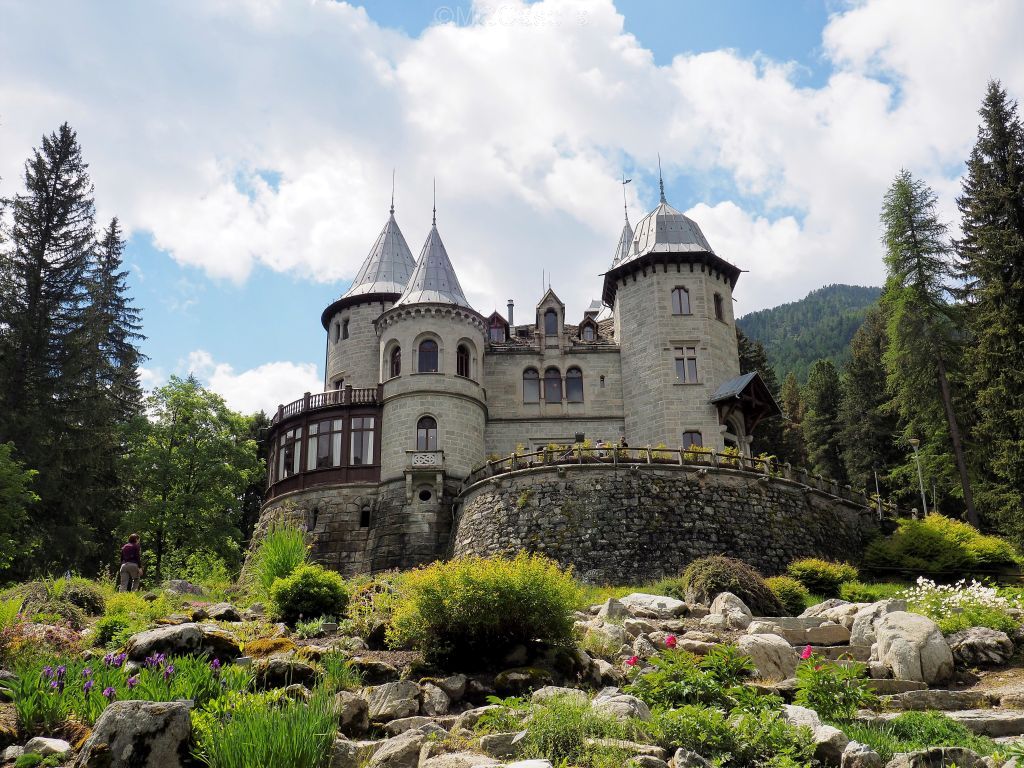
One of Gressoney's jewels is majestic Castel Savoia, an imposing manor built in the 19th century to accommodate the Regina Margherita di Savoia during his summer stays in the Lys Valley. Sorge at the foot of the Colle della Ranzola in Belvedere, from which you can enjoy a magnificent view of the valley to the Lyskamm glacier.
By approaching the majestic castle, you can't help but be fascinated by its grandeur. Enter and you will be transported in a past era, in which the splendor and elegance of Belle Époque come to life.
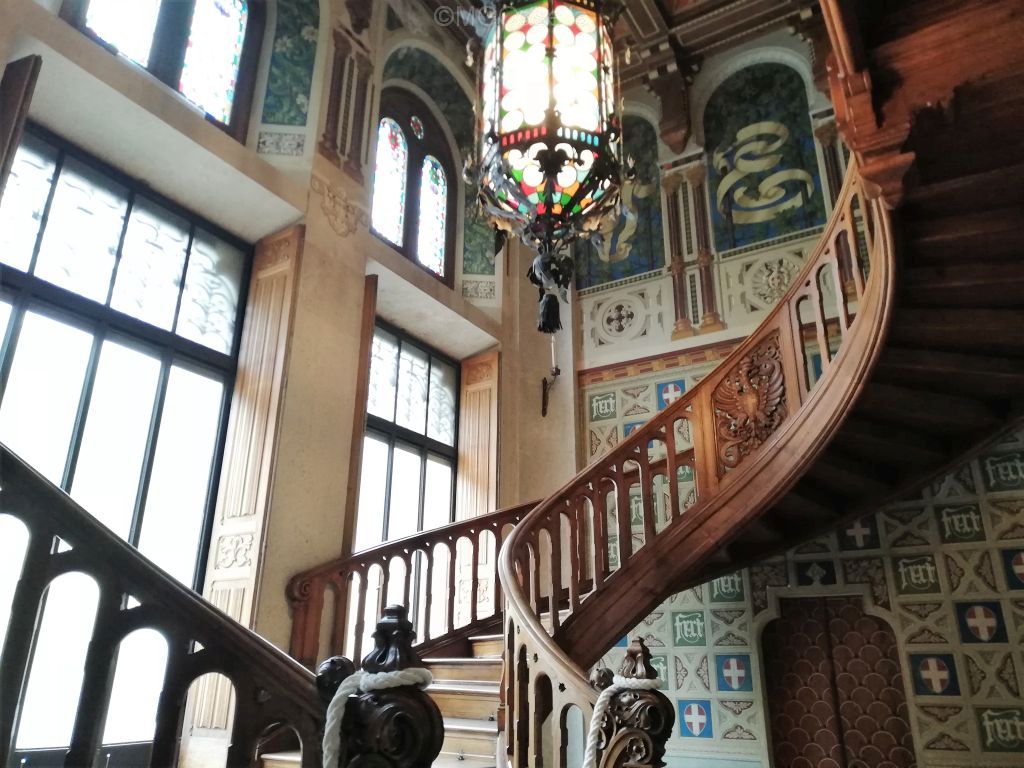
From the wide entrance hall you pass to the dining room, with the walls, the fireplace and the ceiling richly decorated, covered by a boiserie with parchment carvings in neo-Gothic style. The path continues through semicircular veranda overlooking the valley and continues towards the game room, with the original billiard and living room.
An imposing oak stairway carved with griphons and eagles leads to the royal apartments, preceded by an atrium on whose ceiling is the augural inscription "Hic manebimus optime".
By exploring the castle, you will discover the queen’s personal rooms, each witness to its refined taste and love for art. The air is pervaded by a sense of royalty and grace, as if the spirit of Queen Margaret still enjoys these places, whispering stories of her precious moments spent in this magnificent home.
From the castle windows, spectacular views of the surrounding peaks and the lush valleys, inviting you to immerse yourself in the beautiful nature surrounding Castel Savoia.
3. Alpine Botanical Garden of Castel Savoia
Then take a walk in the castle gardens and breathe the sparkling mountain air, letting the tranquility of the environment envelop you. Part of the suggestive park, the Alpine Botanical Garden of Castel Savoia hosts rocky flower beds with plants typical of the alpine environment, both local and from other parts of the world, selected for their extraordinary ornamental value.
Walking through the boulevards you can admire Alpine star, always symbol of the mountains; the Epilobius, a plant spread along the paths and banks of the Lys stream, and many other typically alpine species.
Among these are the Giglio Martagone, the Rododendro Ferrugineo, the Botton d’Oro Doppio, the Aquilegia, the Arnica, the various Evervivi, the Genziane, famous for their healing properties, and the Sassifraghe.
Open to the public during the visit times of the castle, the garden gives the best of itself especially in July and August, when the flowering reaches its maximum splendor.
4. Church of San Giovanni Battista
The Church of San Giovanni Battista, built in 1725, is the main parish of Gressoney-Saint-Jean. Inside the church there is a rich treasure museum, which preserves precious sacred objects. Note the crucifix dating back to the end of the 14th century, considered one of the oldest masterpieces of the region.
5. Walser Village in Alpenzu
Located on a panoramic natural balcony, the village Alpenzu is an authentic jewel that preserves the peculiarities of traditional Walser architecture. Rural buildings with their characteristic "stadels", which rise on fungus-shaped columns, are particularly fascinating.
Do not miss the visit to the picturesque villages of Noversch and Ecko, which complete the itinerary between the small villages Walser high altitude.
6. Alpenfaunamuseum Beck-Peccoz (currently closed for work)
The Alpenfaunamuseum Beck-Peccoz, although currently closed for restoration works, deserves to be mentioned for its uniqueness.
It houses a rich collection of hunting trophies, ancient weapons, precious family relics and publications on Alpine flora and fauna. When it reopens, it will be an interesting stage for all lovers of nature and history.
7. Gressoney-La-Trinité: Alpine Treasures and Walser Culture
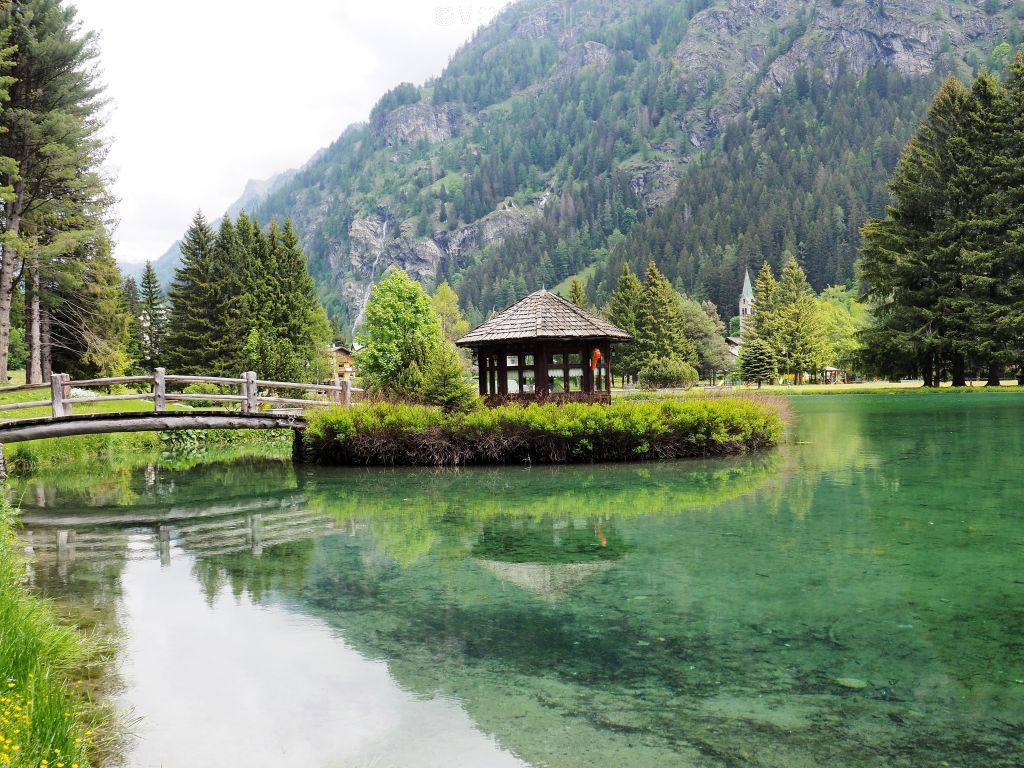
Gressoney-La-Trinité is a charming town located at the top of the valley crossed by the Lys stream, in the vast basin dominated by the Lyskamm glacier.
With its relaxed atmosphere and its old houses with flowered balconies, it is a popular starting point for the most beautiful excursions to the Monte Rosa massif, but it is above all considered the village that has more guarded the Walser culture over the centuries.
What to visit in Gressoney-La-Trinité
8. Ecomuseo Walser
The Ecomuseo Walser is a place not to be missed during your visit to Gressoney-La-Trinité. This museum offers a fascinating journey to discover the Walser culture through the visit of three different structures.
You can explore an ancient rural house dating back to 1700, the museum house with its permanent exhibitions and the picturesque Bay of Binò Alpelté, a small hill built under a majestic natural rock that acts as a roof.
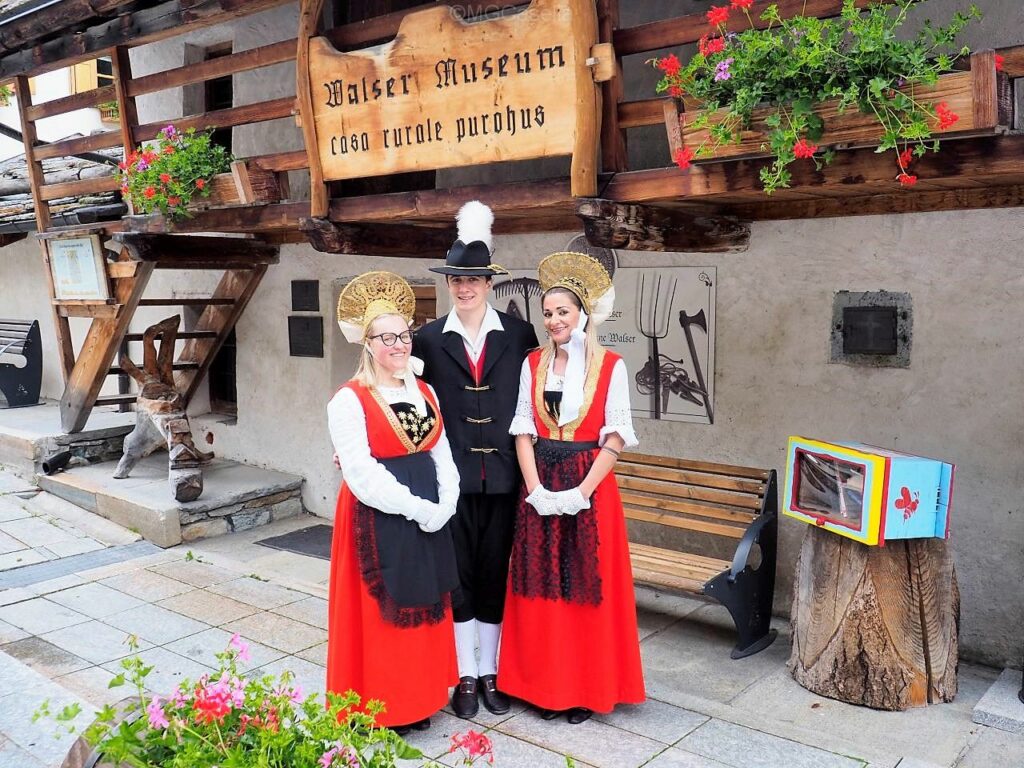
A unique museum that will lead you on an exciting journey through the history, culture and traditions of this ancient and fascinating community.
The exhibition rooms of the museum are a real treasure chest, which tell the life and legacy of the Walser. Admire the intricate traditional costumes, handcrafted artifacts and everyday tools, which testify to the skill and skill of these ancient communities.
You can immerse yourself in local traditions, discovering their stories handed down from generation to generation and you will find yourself on a journey through time, living the atmosphere of life of the Walser communities.
In addition, the museum offers a valuable cultural opportunity. You can access historical documents, photographs and research that reveal the secrets of the origins and development of this population.
The museum experts will be happy to share their knowledge and answer your questions, enriching your visit with an authentic and thorough experience.
The Walser Museum in Gressoney is a real immersion in the heart of this millenary culture. It invites you to discover the unique heritage of the Walser, to understand their traditions and to grasp the essence of a community that has left an indelible mark in the Alps.
9. Parish Church of the Holy Trinity
Built in 1671 on the foundation of a previous structure dating back to the 15th century, the Parish Church of the Holy Trinity offers a splendid example of Alpine baroque style. Inside, you can admire the main altar in carved wood and the suggestive cemetery adjacent to the parish, with its ancient stone tombstones, hand carved by skilled local artisans.
10. Le Cappelle del Borgo
The territory of Gressoney-La-Trinité is dotted with numerous chapels, evidence of the importance of religion in the traditional life of the Alpine communities. Among these, the Chapel of Oagre, dedicated to the Madonna delle Nevi. These sacred places are fascinating to visit and offer a unique perspective on the religious devotion of mountain people.
11. Enjoy the Gressoney Walser Festival
What a better opportunity Gressoney Walser Festival, which takes place every summer, to rediscover the Walser culture! A festival that celebrates, loudly, everything that means Being Walser.
This ancient people, settled in the valleys of the Rosa almost a thousand years ago, managed to preserve their own language, ♪, the recognizable architecture of houses Stale, costumes and a simple and genuine mountain cuisine.
Just the kitchen is in the center of Gressoney Walser Food, that on July 15, 2023 will light the village of Gressoney-Saint-Jean with music, entertainment and show-cooking live by chef Danilo Salerno, to discover first with eyes, and then with the palate, all the taste of food and wine Walser.
Also in Gressoney-Saint-Jean as part of the Walser Festival, will be held, on 2 August, the Monte Rosa Family Run, non-agonistic march in nature for the whole family, dedicated to the discovery of the territory and good food, waiting for the participants in the center of the village at the end of the walk.
12. Taste Walser cuisine
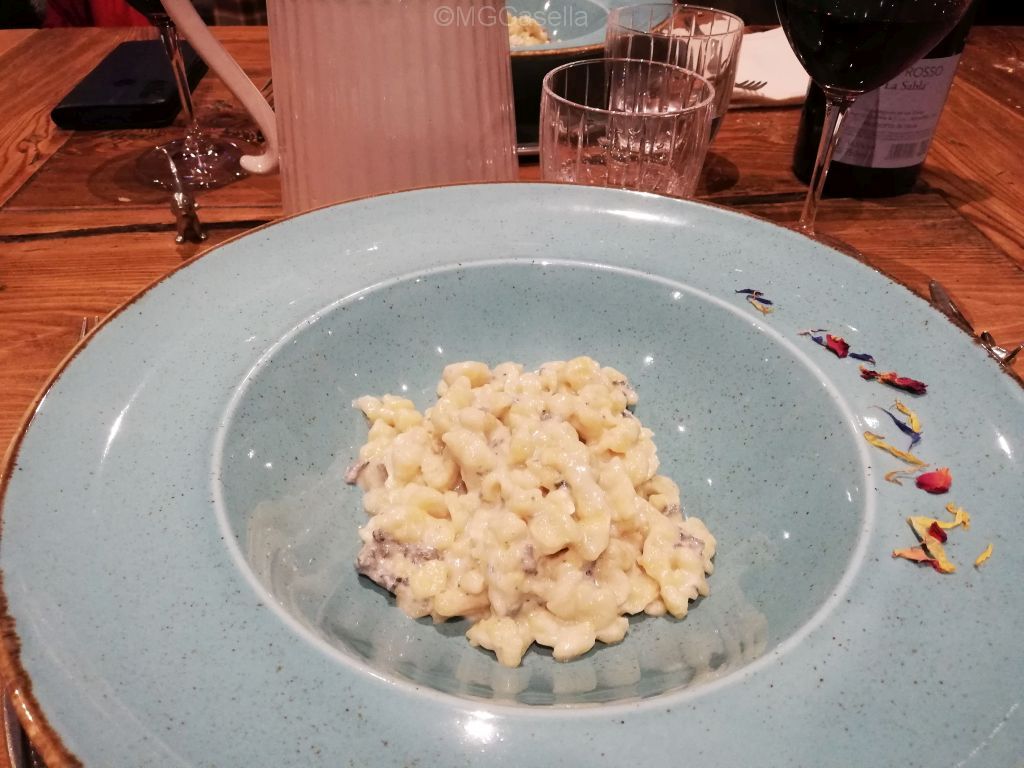
The Walser culinary traditions are a true gastronomic treasure, with a fascinating mix of local and German influences that give life to unique and tasty dishes, which you can enjoy in local restaurants.
One of the most emblematic dishes is the "Zurbrügg", a soup made of cold bread, melted cheese and meat broth. This substantial and tasteful dish represents a real food comfort for the Walser.
Another traditional dish is the "Tatzelwurm", a kind of potato dumplings that are seasoned with melted butter, cheese and smoked speck. This culinary delight reflects Walser’s ability to use local ingredients to create simple but tasty dishes.
Desserts also occupy an important place in the Walser culinary tradition. Among the best known is the "Striezel", a sweet woven based on yeast dough, butter and raisins, often served during the holidays.
These traditional dishes are the result of centuries of passion and culinary knowledge handed down from generation to generation, and represent a important part of the cultural identity of the Walser.
Among the different traditions of the place, the kitchen also suffers from the German cultural influence, both in the names of the dishes and in their preparation. In addition to the most traditional soups of bread, potatoes, rice and pores, two are the first dishes absolutely to taste.
The Chnéfflene, batter buns (flour, water, milk, egg) cooked in boiling water and seasoned with fondue, cream and speck or braised onion, and Chnolle, maize and wheat flour dumplings cooked in a pork broth and served as a contour to meats.
13. Lunch at Mont Nery restaurant in Gressoney-Saint-Jean
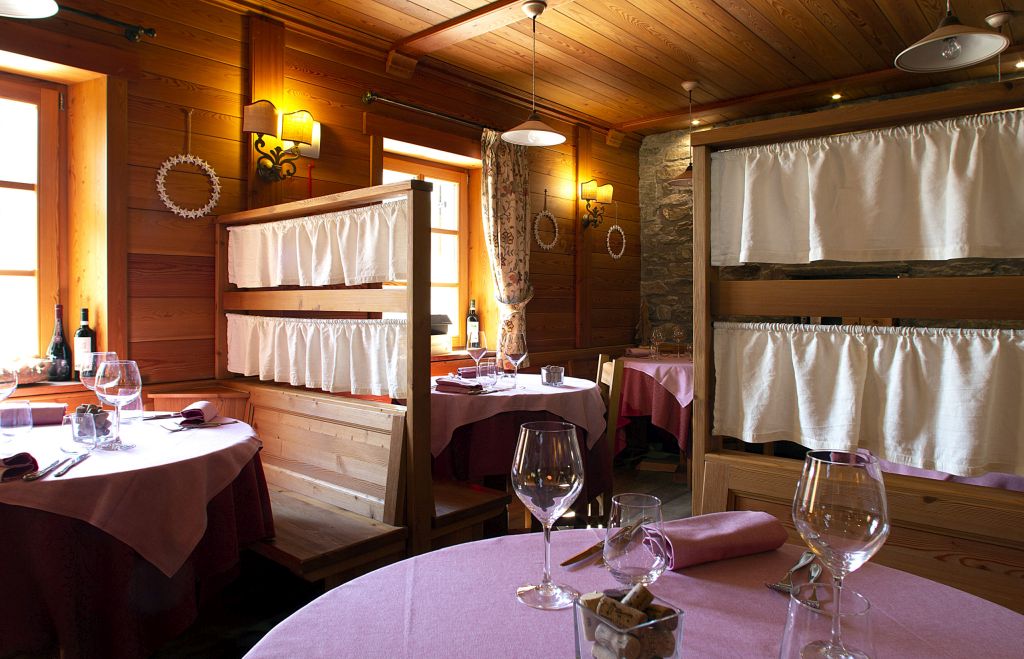
For a lunch in the sign of typicality, stop at Mont Nery restaurant in Gressoney-Saint-Jean, where chef Boris Melon creates dishes rich in culinary and fantasy culture that are inspired by tradition and use local products, served in a typical environment of Walser rural homes, where, between stone walls and ancient embroidery, you can breathe the history of the house.
14. Taste Gressoney's Toma
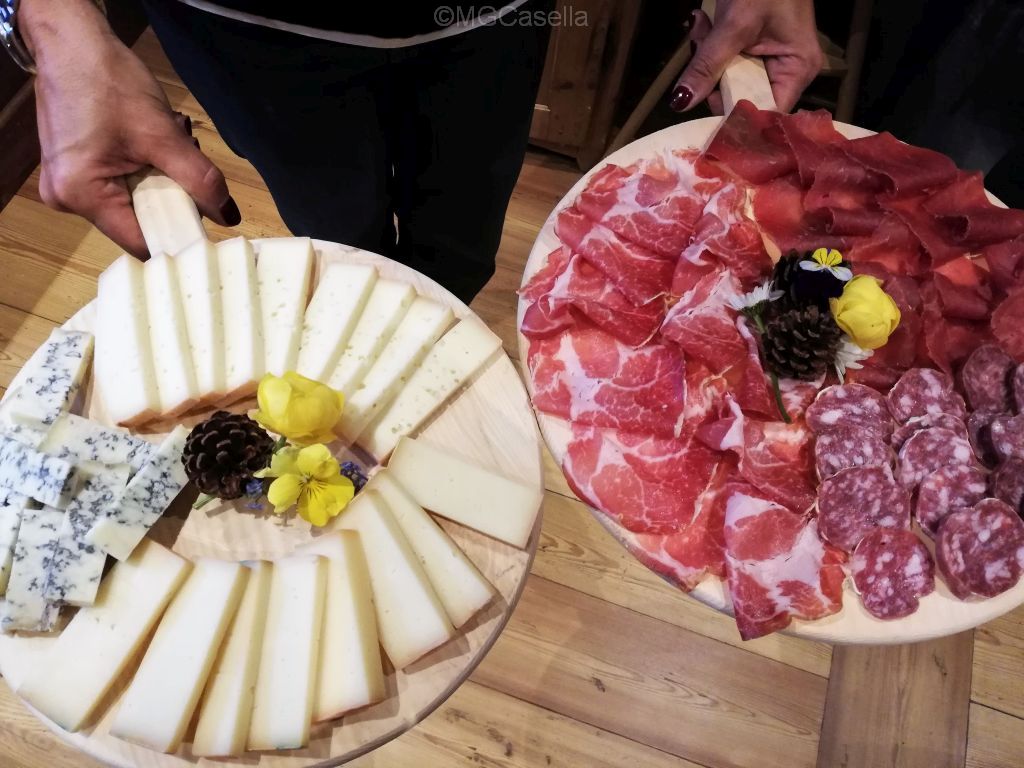
To taste absolutely, and maybe even buy in abundance, The Toma di Gressoney represents a true culinary excellence, obtained with quality ingredients and carefully following local traditions.
It is a very appreciated table cheese, which comes produced directly in the pastures of the Lys valley and the valley center using traditional methods.
The annual production of this cheese does not exceed 1000-1500 medium-sized forms (4/5 kg), which are allowed to mature on wooden boards within cellars or caves, for a period of between two and four months.
15. Supplies to Samstag Märt: Saturday market
On Saturday, in summer, in the Lys Valley, it is traditionally the day of the market. That's how from late June to early November, at the time of the harvest, all the producers of the valley find themselves at the garden of Zer Mièle, Gressoney Saint Jean, for the Samstag Märt (in titsch, literally "Saturday Market").
This is about an opportunity for local operators, where among vegetables, honey, jams, biscuits and mooring tops for sale, companies can tell both to the regular customers, the inhabitants of the mountain, and to occasional visitors.
There are those who wanted to take back ancient ways of living the earth, to cultivate it in the belief that cultures and cultures they are in the same way part of the identity of a community.
In addition to the products really at km0 of the garden of Zer Mièle you can find the artisan cookies of Wanda, the bread with mother yeast of Paolo and Katia, the cheeses without ferments of Simone, the jams and honey of Alessia and Aldo.
The goal is to make known the centrality of food and its production in the life of a community, so that they can enjoy both the inhabitants of the territory and the owners of second houses and tourists in the valley for a summer weekend.
16. Discover Paysage à Manger proximity gardens
In addition to the theatre Samstag Märt the garden Zer Mile, it is the heart of Paysage à Manger, Gressoney-Saint-Jean farm, born in 2014 with the aim of recovering rare and ancient alpine varieties of potatoes, the result of meticulous research, cultivating the land without chemical agents and herbicides.
Over the years, the experience of Paysage à Manger has grown and today, there are over 120 fruit and vegetable varieties worked by Paysage à Manger in the Lys Valley including, of course, the Walser potatoes, the Walser Kartoffeln, flagship of the products of the company and the valley.
This is a different way of living the garden, which from late June to late October becomes more and more proximity garden with the use of soil seeds, but also Experiential garden with the involvement of customers in the work of the earth from sowing to harvesting.
In the rest of the year you can refer to the Market Valdobbia, the family shop in front of the garden.
17. Sleep in a typical Walser residence
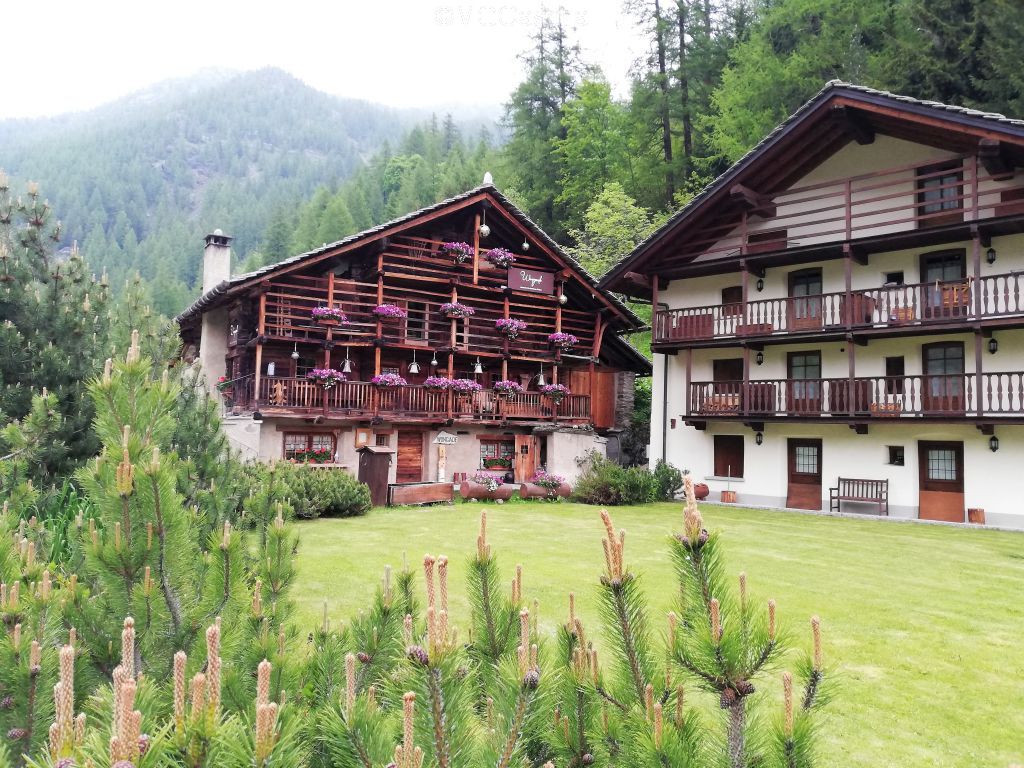
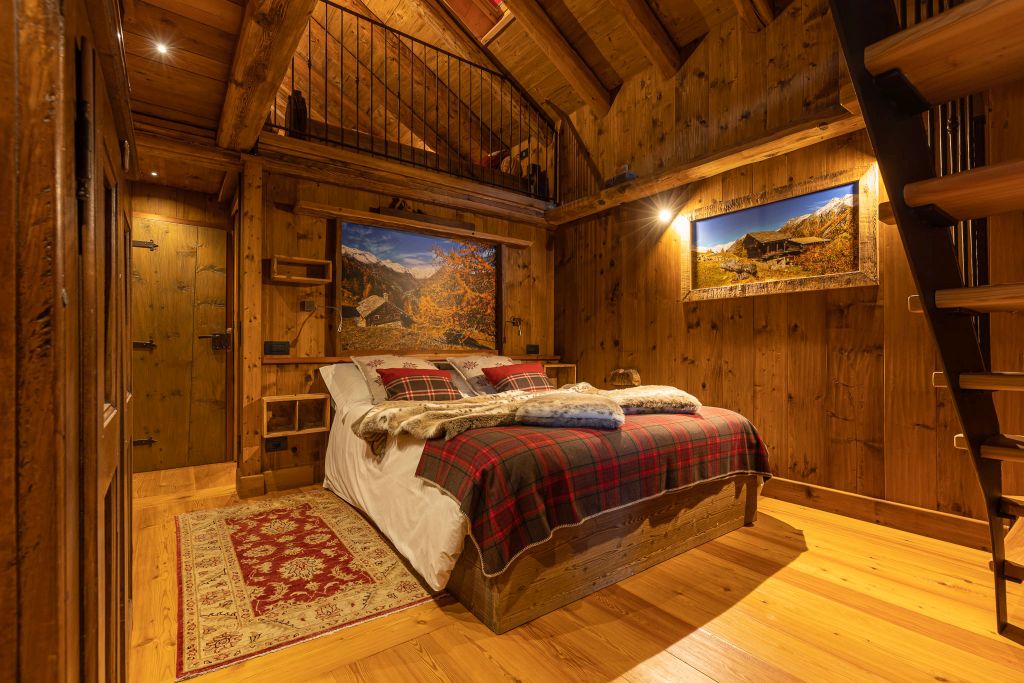
If you want to experience the emotion of sleeping in a typical Walser residence, the right address is to Chambres d’hôtes Wongade, a picturesque 1660 house that rises in the green a short distance from the heart of the village, with lovely views of Monte Rosa. In the past used as a stable (from which the name Wongade derives), after careful and meticulous restoration, it now presents itself as a cozy and enveloping small relais.
The stone walls, the original wood, the ancient doors and antique furniture, testify to the love and care in the details that complete the atmosphere of this structure of great charm. The 5 rooms, one different from the other, they stand out for the originality of details and the search for comfort. While at the restaurant you can taste the local dishes, accompainting by the typical wines of the Aosta Valley.
18. Explore the Gressoney Valley
The Gressoney Valley is a true paradise for hikers, with countless paths leading to crystal clear lakes, pristine forests, villages and alpine pastures, giving trekking lovers unforgettable experiences. Here are some easy itinerary, really suitable for everyone:
19. The Queen's Walk
It says the name itself, it is a simple walk along the "Sentiero della Regina" until the center of Gressoney-Saint-Jean, that Queen Margherita of Savoy used to travel, starting from her summer residence.
The first section of the route leads to Lake Gover, a few steps from the historic center of the village. On the other hand, following the trail n° 15, the trail continues to reach the Tschemenoal hamlet which is about two kilometers far beyond Gressoney-Saint-Jean.
20. The Walser réng: the Walser ring of Gressoney-Saint-Jean
Gressoney-Saint-Jean is, as mentioned, the major cultural center Walser of the Aosta Valley. From here starts a ring path of 8 km, which can be reached in one day, which has no particular difficulty: the Walser réng. Risaling the course of the Lys stream you arrive soon Tschemeno, Walser village entirely made of wood.
Superato il Lake Gover and the waterfall of Ònderwoald, you come to the fairytale Castel Savoia summer residence from fairytale Queen Margherita. The trail then descends, between larici and praterie, to the splendid Villa Margherita, today seat of the municipality of Gressoney-Saint-Jean. Crossing the wooden bridge on the Lys stream, you return to the starting point.
21. Itinerary between the Villages of Alpenzù
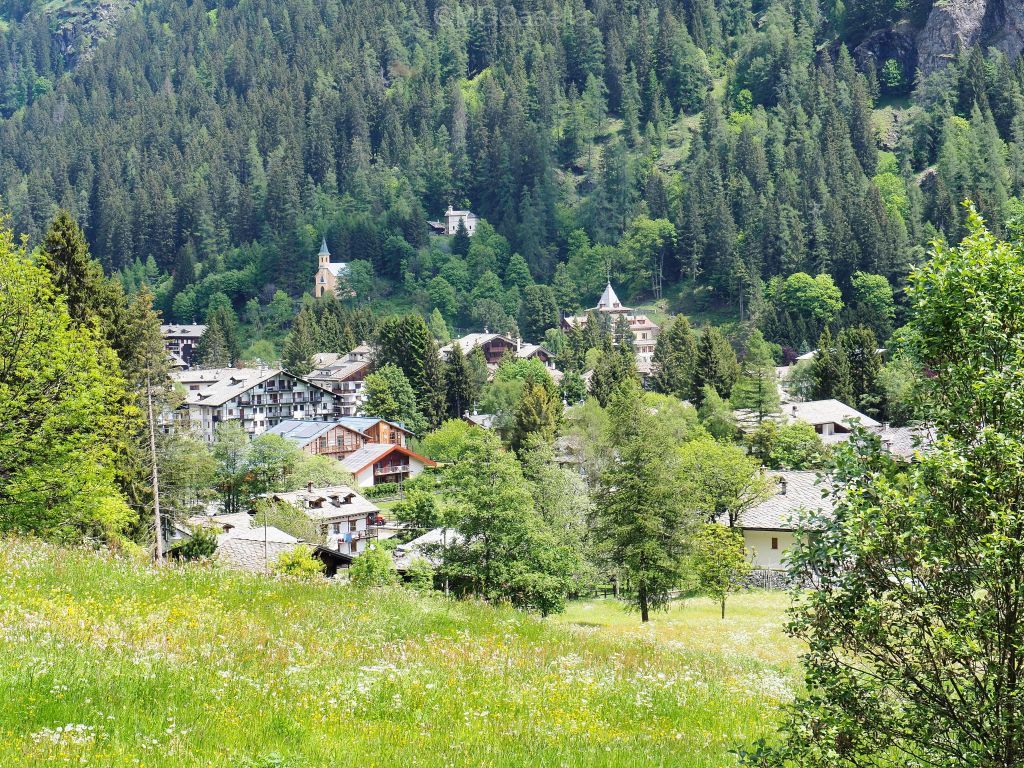
This path starts near the picturesque Lysbalma resort, just before the municipal capital. Here, you will find a well-marked path that is detached from the regional road, immersing yourself in the lush coniferous wood.
The path, with its sinuous curves, goes up along the slope until you reach the characteristic village of Small Alps. Continuing on the same track, cross enchanting pastures, gradually gaining altitude and passing the picturesque Pinter stream, immersed in the beauty of the surrounding nature.
The trail then descends gently and continues along a winding path that leads to the picturesque village Alpenzù Grande. Here you can admire the traditional architecture and the authentic atmosphere that permeates the place, immersing yourself in the ancient charm of Walser culture.

