A slow journey on the Via Francigena in the heart of Canavese along a path that winds between spirituality, modern architecture and authentic flavors of Piedmont
Our second day along the Via Francigena morenico-canavesana begins with that pleasant feeling of curiosity that accompanies every new stage of walking. Today’s itinerary will lead us from Ivrea to the shores of Lake Viverone, crossing a landscape carved by glaciers and shaped by history.
Before exploring the historic center of Ivrea, we stop at kiosk of the Association Via Francigena di Sigerico in Corso Botta 3.
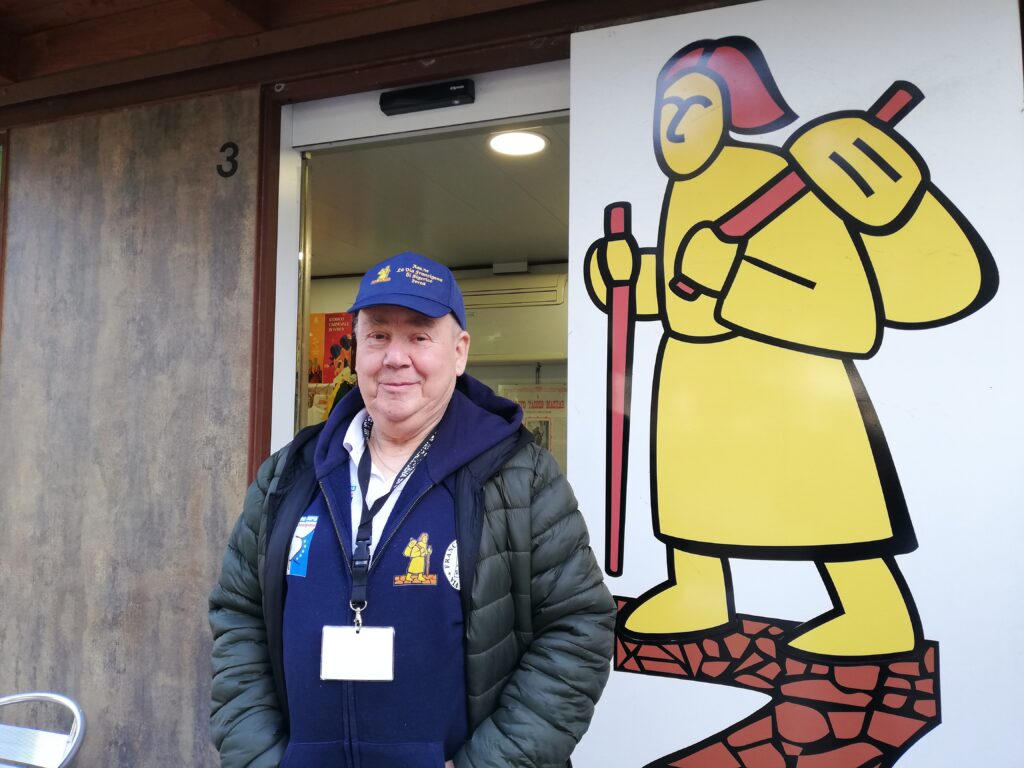
This is where pilgrims, greeted by volunteers, stop for a greeting and a stamp on the Pilgrim's Credential, that precious passport that accompanies them all along the way, facilitating access to hostels and making them feel part of a millenary community of travellers. Between maps, tips and smiles, we immediately breathe the authentic atmosphere of those who live the Via Francigena not only as a physical path, but as an experience of encounter. Information material on Ivrea and Canavese is also available at the Tourist Office of Piazza Ottinetti.
Index of Article
Ivrea “dalle rosse torri”
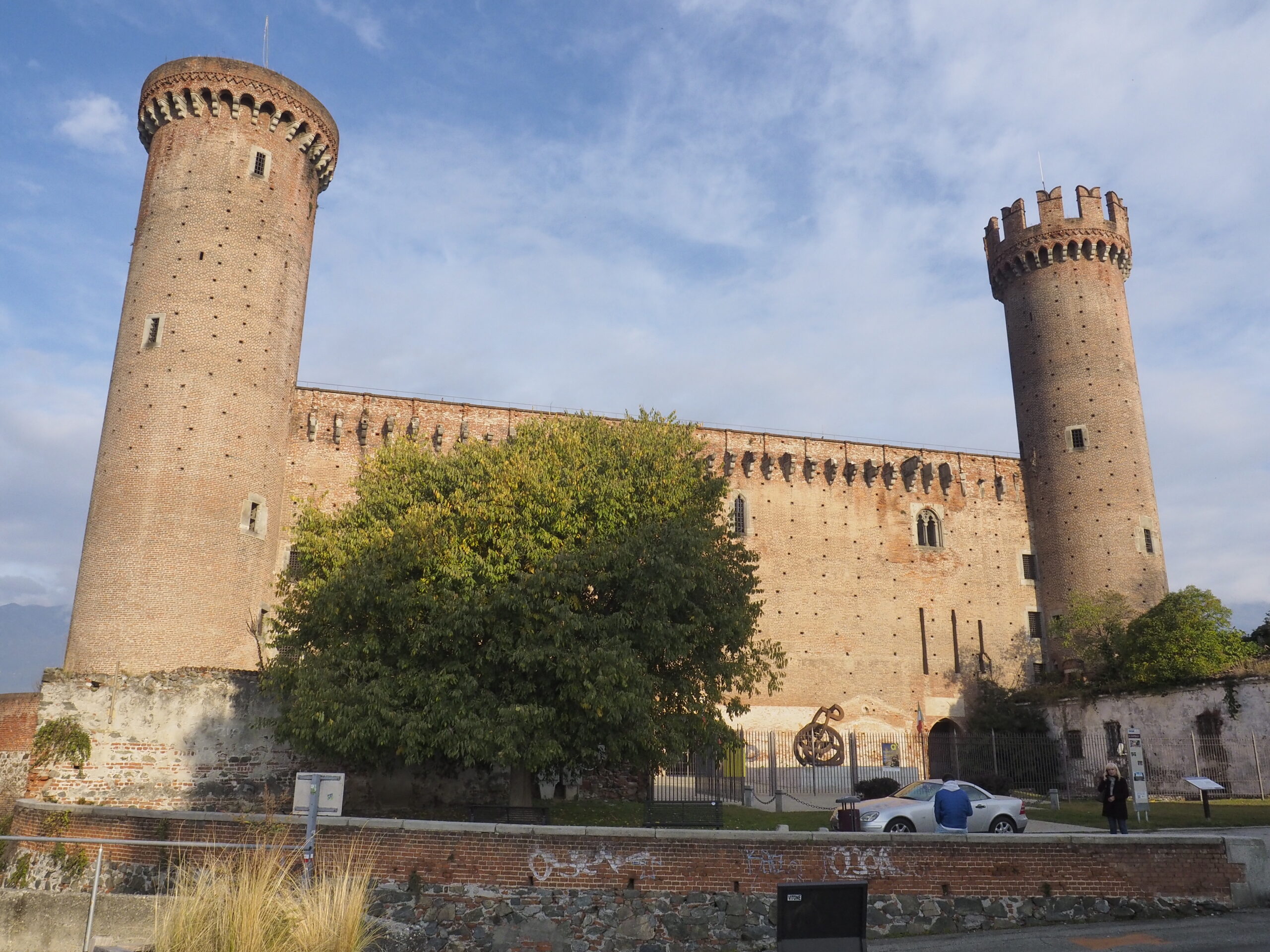
Dominated by the thirteenth century castle "from the red towers" sung by Carducci, always Ivrea represents an important stage for the pilgrims of Via Francigena, which found a reference point in Cathedral of Santa Maria AssuntaIts origins date back to the 10th century by Bishop Warmondo, who wanted to build a new temple on the foundations of an ancient early Christian basilica.
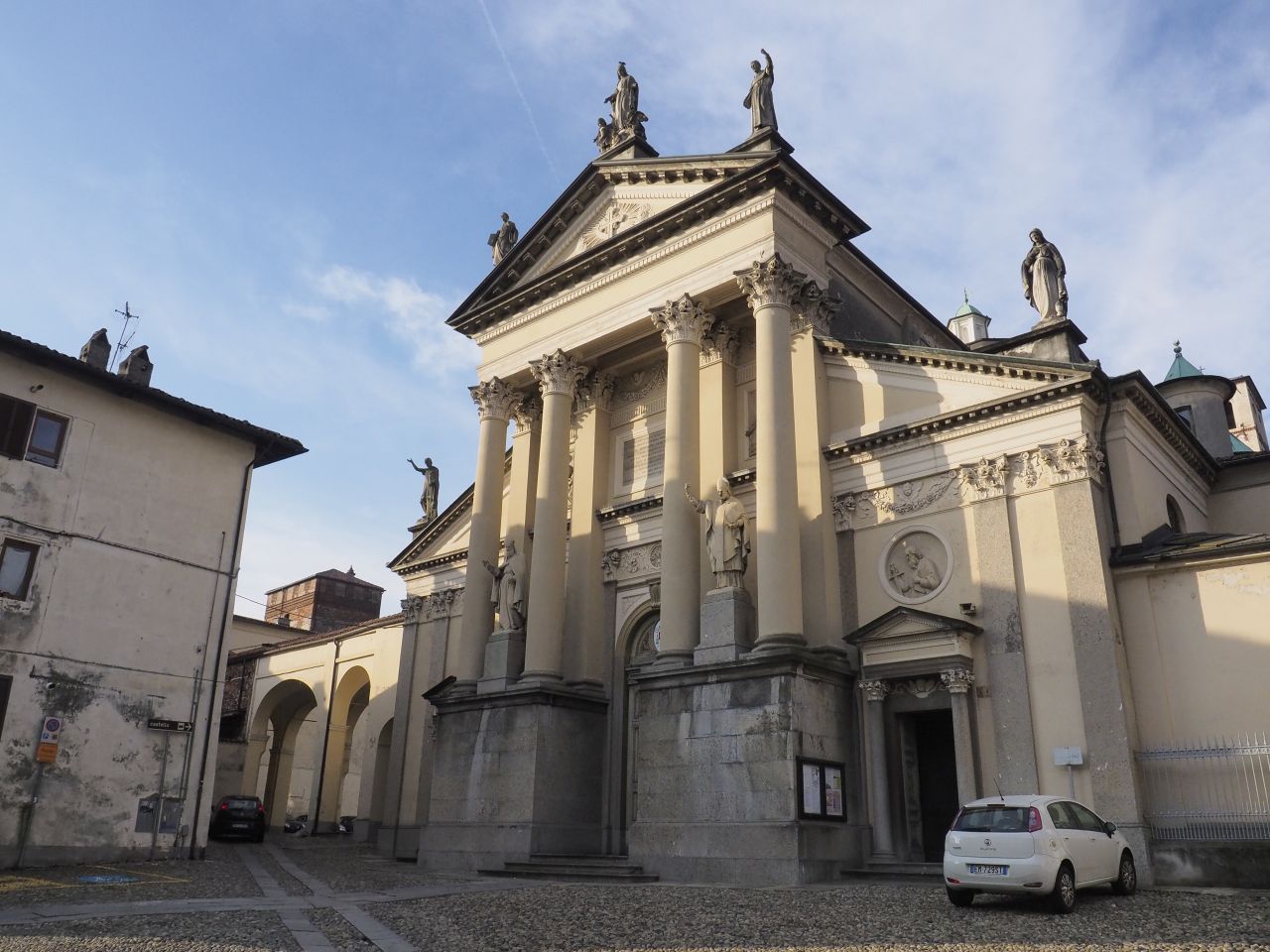
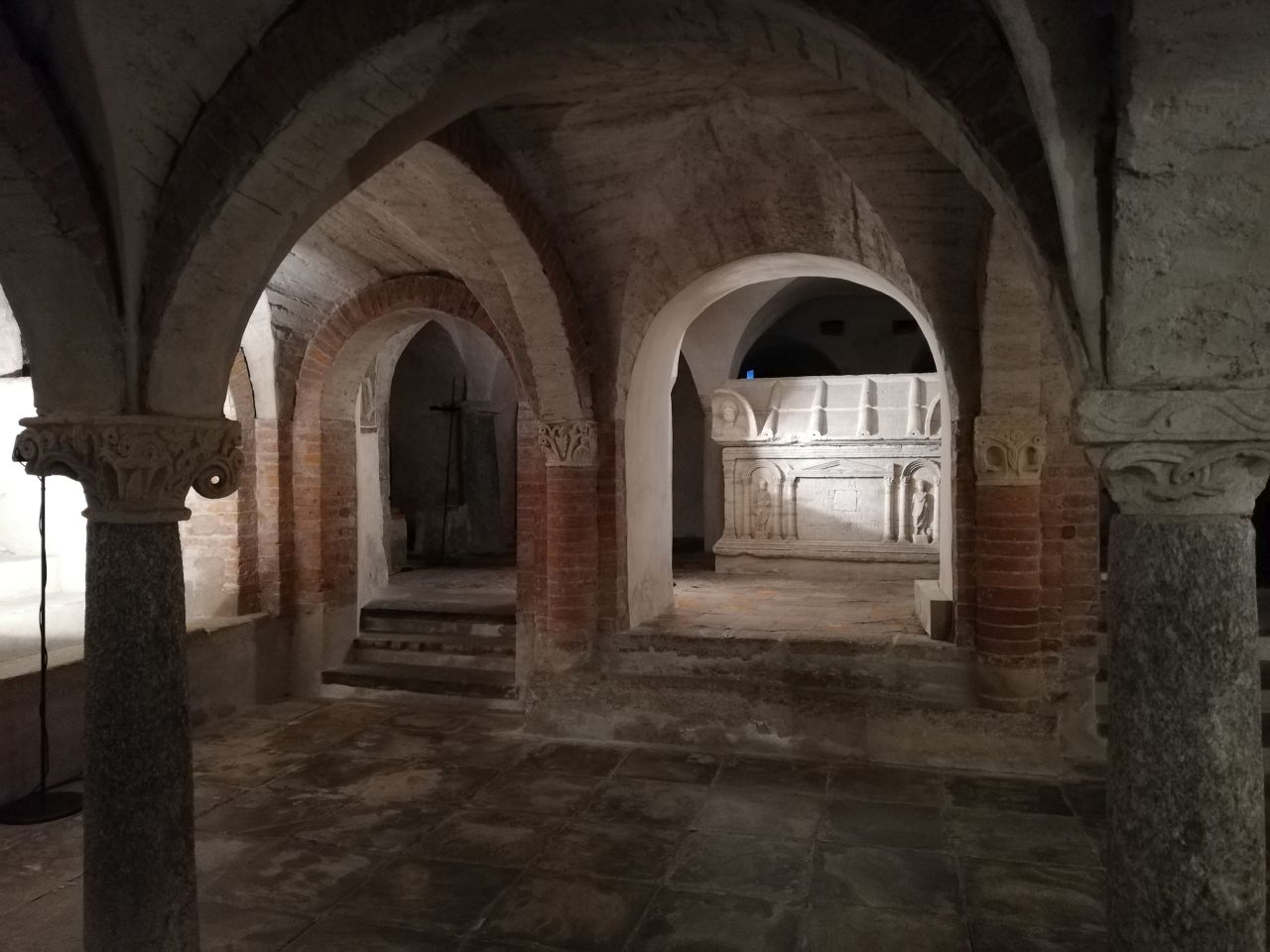
Even today, despite the remakes that have occurred over the centuries, original parts are preserved in the crypt that opens as a secret belly under the apse zone. In the slope, between the vaults on a cruise supported by ancient columns, an ancient marble sarcophagus and the tombs of the bishops eporedies tell us about the millennial stratification of this city.
The connection of the Cathedral of Ivrea with the Way is also witnessed by the presence, in a lateral chapel, of the relics of Blessed Taddeo McCarthy, an unjustly excommunicated Irish bishop, who ended his journey here in 1492, returning from Rome after being rehabilitated by Pope Innocent VIII. A story that reminds us how tortuous could be the destinies of those who walked these roads.
The Industrial City and the legacy of Adriano Olivetti
From the top of Ivrea we descend towards the floor, where the urban landscape changes definitely face. Here extends the Industrial Cities of the 20th century, recognized in 2018 as a UNESCO World Heritage Site, born from the vision of Adriano Olivetti, who went far beyond the simple industrial production to take the form of a real social experiment where architecture, work and community merged into a revolutionary harmony.
In the UNESCO Visitor Centre, between original furnishings and black and white photographs, the first writing machines and Olivetti calculators give us the dimension of an entrepreneurial project that puts man in the centre, but they also tell an Italy that believed in progress as a tool for beauty and social justice.
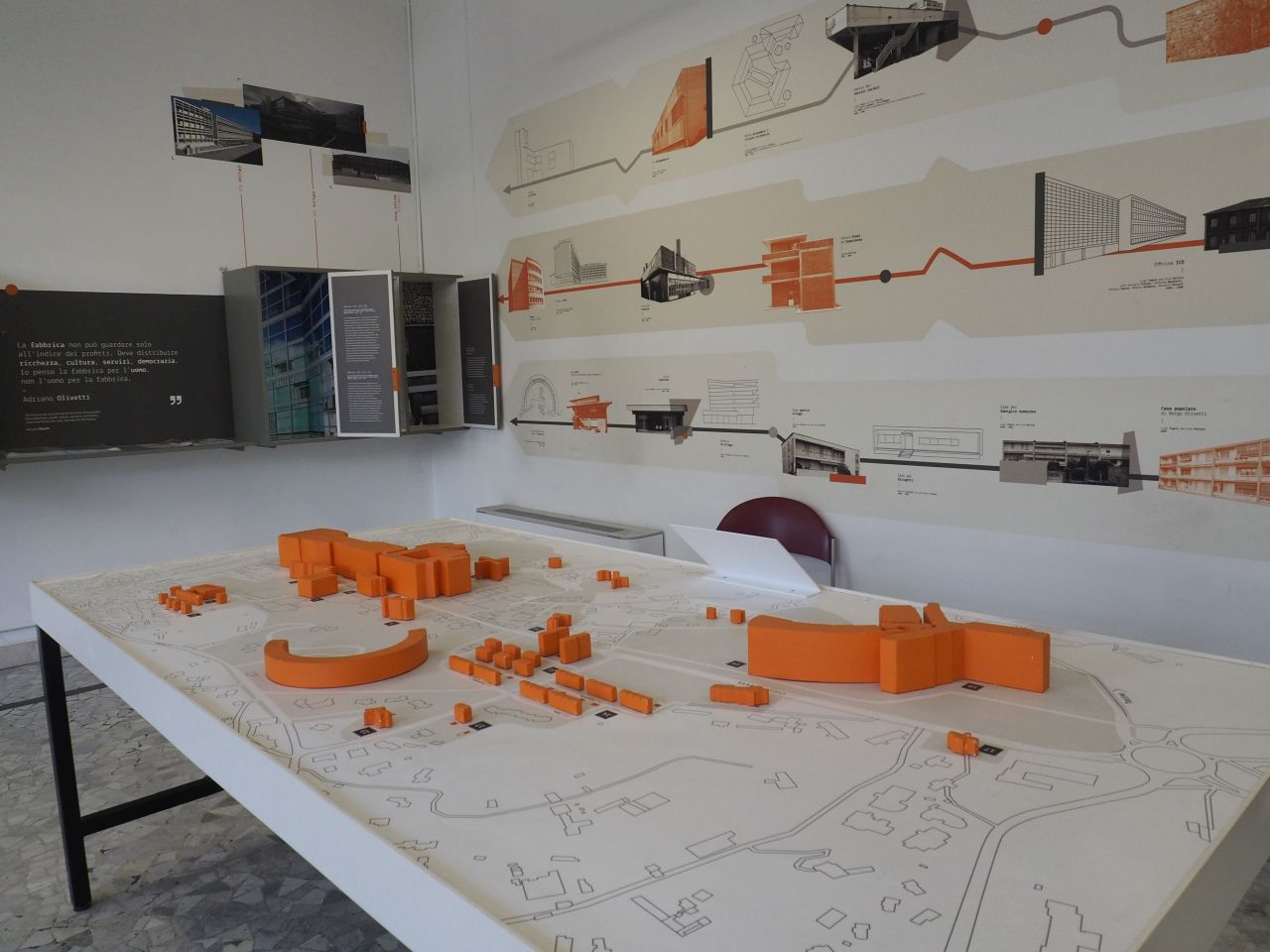
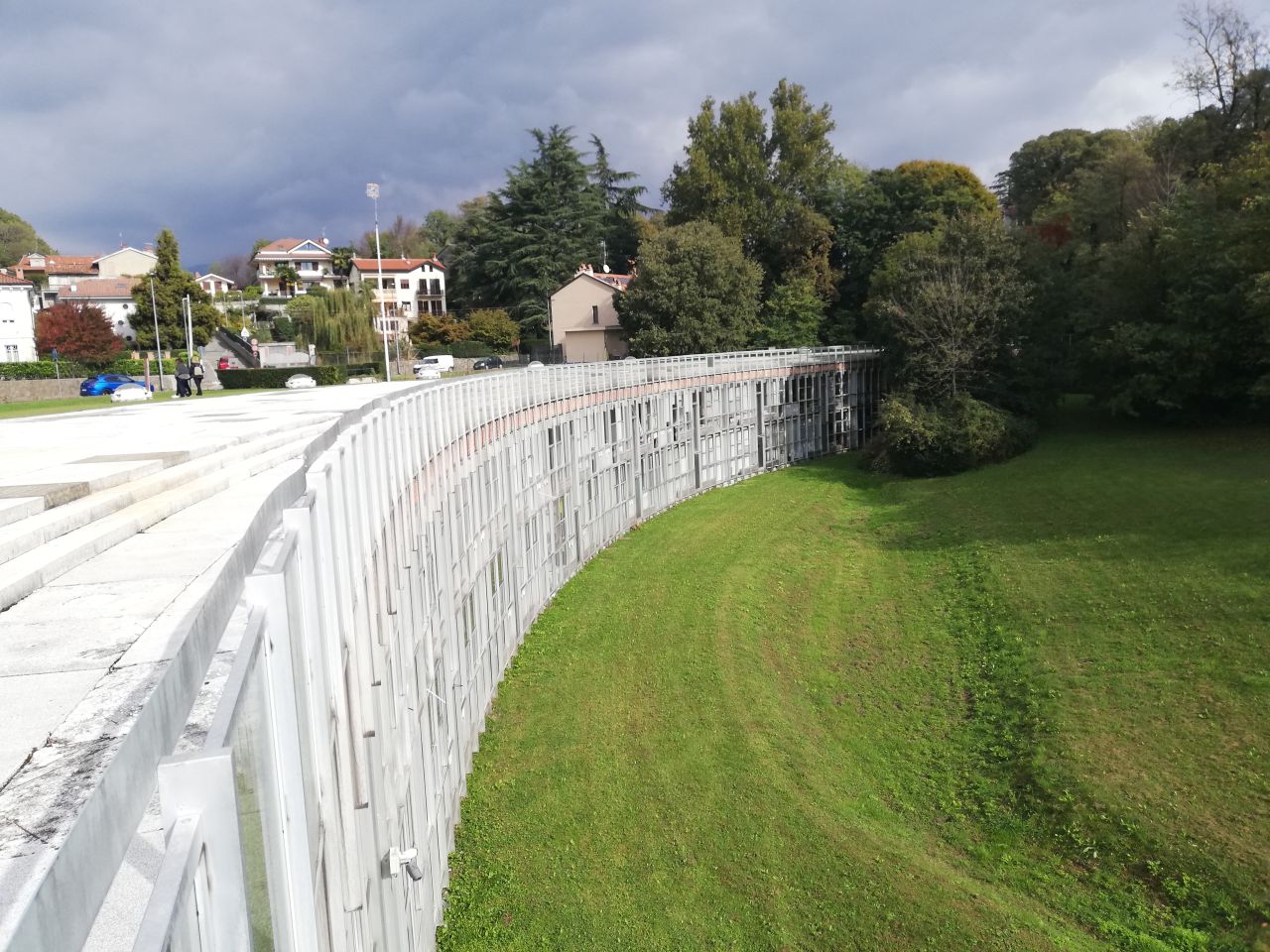
We walk through Jervis, the axis along which the MaAM, Open Sky Museum of Modern Architecture. In a couple of kilometers we meet buildings made by great architects of the time, who tell a concrete utopia, with plants, canteens, kindergartens, residences for employees and libraries designed to improve the life of workers. In the middle of the green, the celeberrim complex of Talponia, the work of the architects Gabetti and Isola, a "patch lying" unique in the world, with the apartments arranged to amphitheatre under the road level, testifies the genius of an idea that still fascinates for its modernity.
The Church of Saints Peter and Paul in Bollengo
We leave Ivrea and the step finds the slow pace of the countryside along the road that runs along the Moorish Serra between vineyards, small villages and old farmhouses. Superato Bollengo, on a small height, solitary and austere, here appear the Church of Saints Peter and Paul, built around the year 1000. The façade is characterized by a rare example of chlocher-porche, a bell tower-androne, while inside, a single nave houses fragments of fourteenth century frescoes.
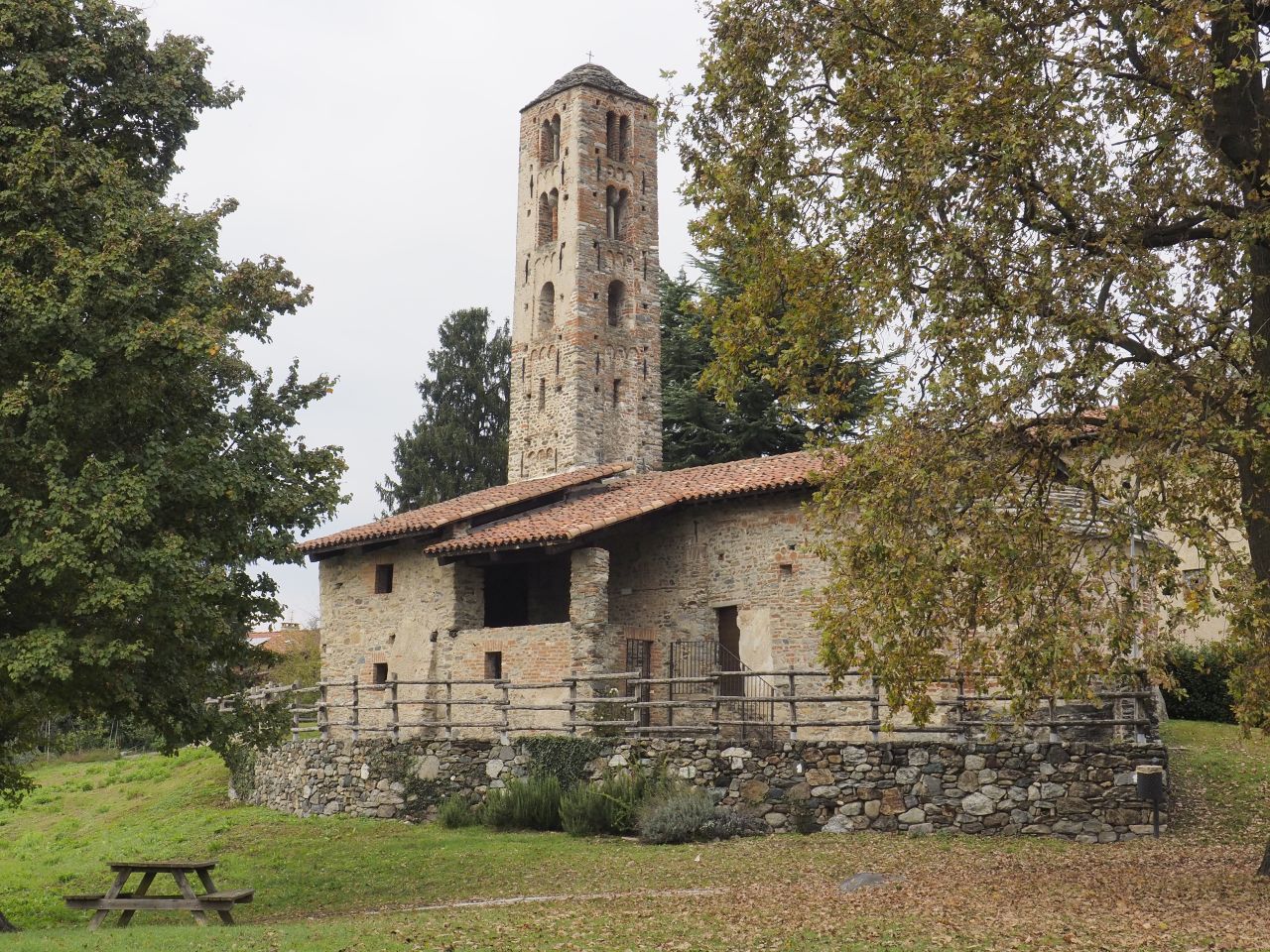
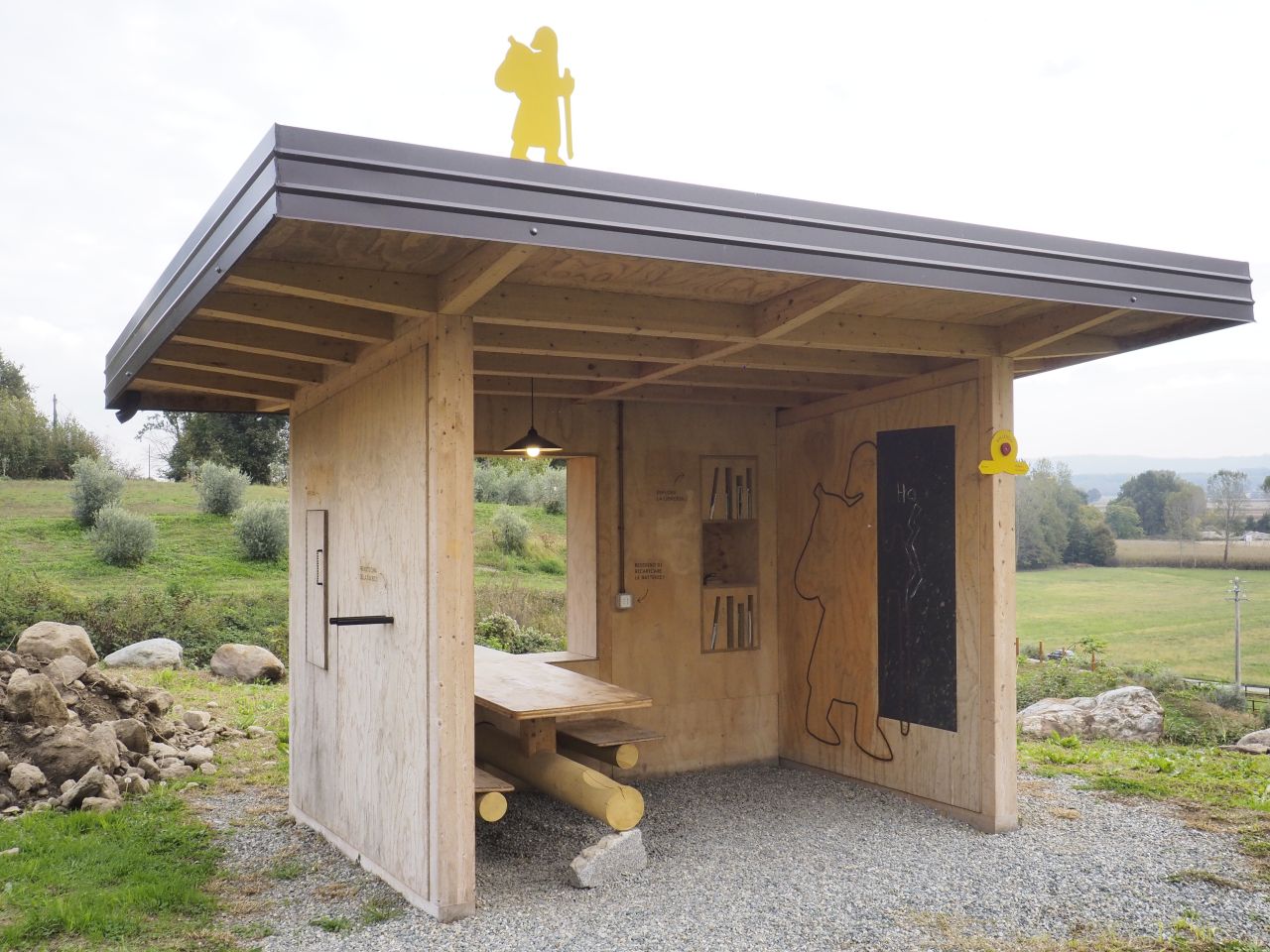
Today the church is part of "Open door churches" circuit, and is therefore visitable thanks to an automated opening system that through a simple QR code allows you to discover its history. Right next door, a rest area equipped with table, bench, a mini library with maps and guides, and even an electric charging column, offers refreshment to pilgrims. It is one of the points of "Via Francigena For All" project, which makes the journey accessible to all, even to those with reduced mobility or sensory disabilities. A concrete way to remind us that the road is really of all, and that slowness can be a form of shared freedom.
A tasty stop at Cascina Gajo
Continuing between fields and rows of vines, we gently climb to Piverone, where the scent of ripe fruit invites us to a tasty break at Cascina Gajo, a organic farm that for over a hundred years preserves the tradition of the Canavesan farm.
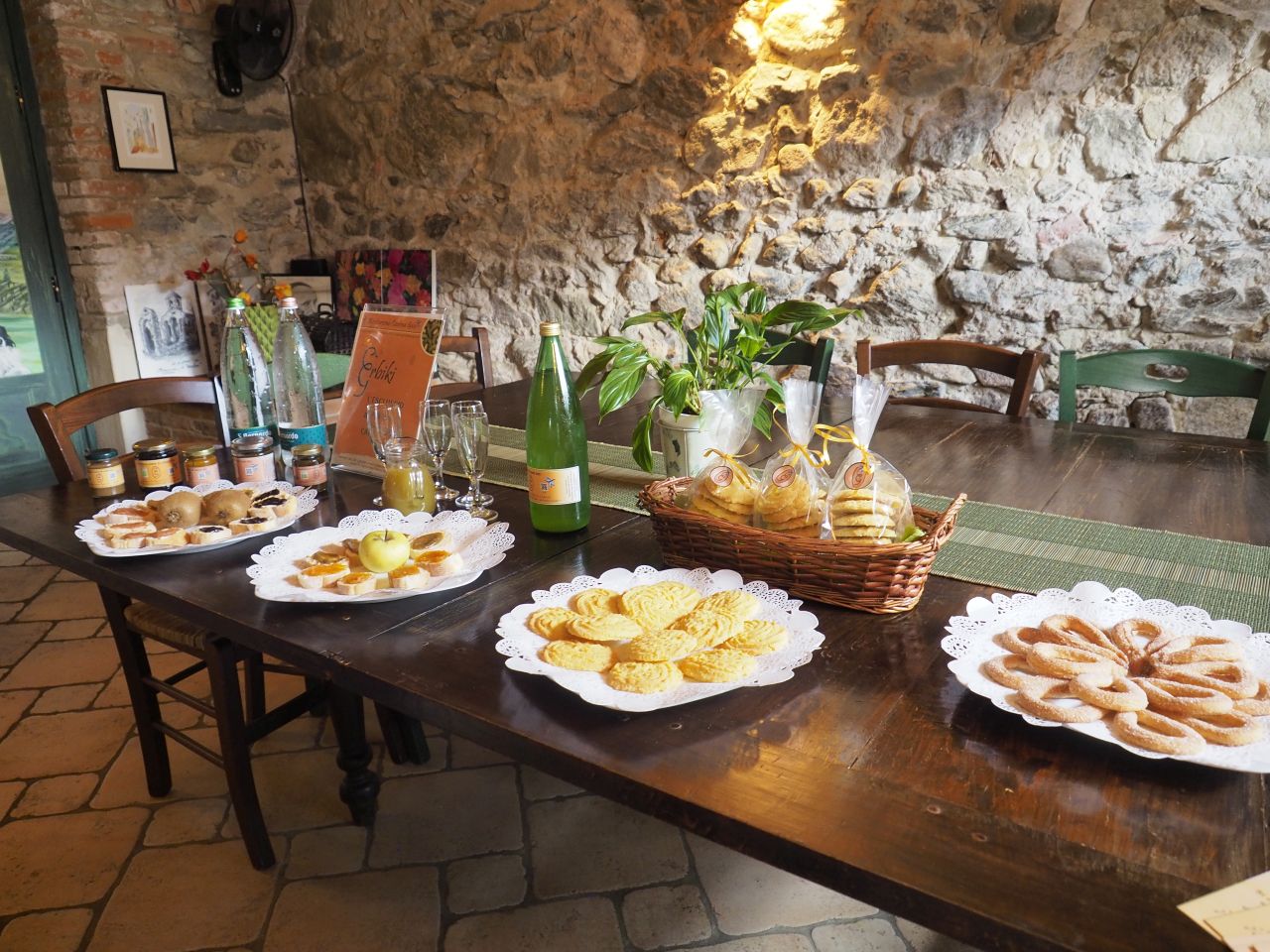
In the stone room at sight of the 18th century farmhouse, among old objects, old family photos and agricultural tools, we taste a snack that is a small revelation, based on a delicate triloba asimina cream, the so-called "mountain bank" with exotic and velvety taste, accompanied by a glass of Erbiki, the aperitif of the house obtained from nectar of organic kiwi and Erbaluce DOCG. And then biscuits of meliga, torcetti and delicious jams of ancient and almost forgotten fruits, such as quince apples and jujujujubes, all bio certified, all produced with the care of those who consider the earth a partner of life.
Gesiùn and arrival at Lake Viverone
Afterwards, we take the path in the afternoon, heading towards the last stage of the day. In one of the most panoramic points of the Via Francigena canavesana, at the crossroads of two country roads, here appear the Gesiùn, a small Romanesque church of the 9th century, survived in time and weather, which emerges from green as a sign of old times.
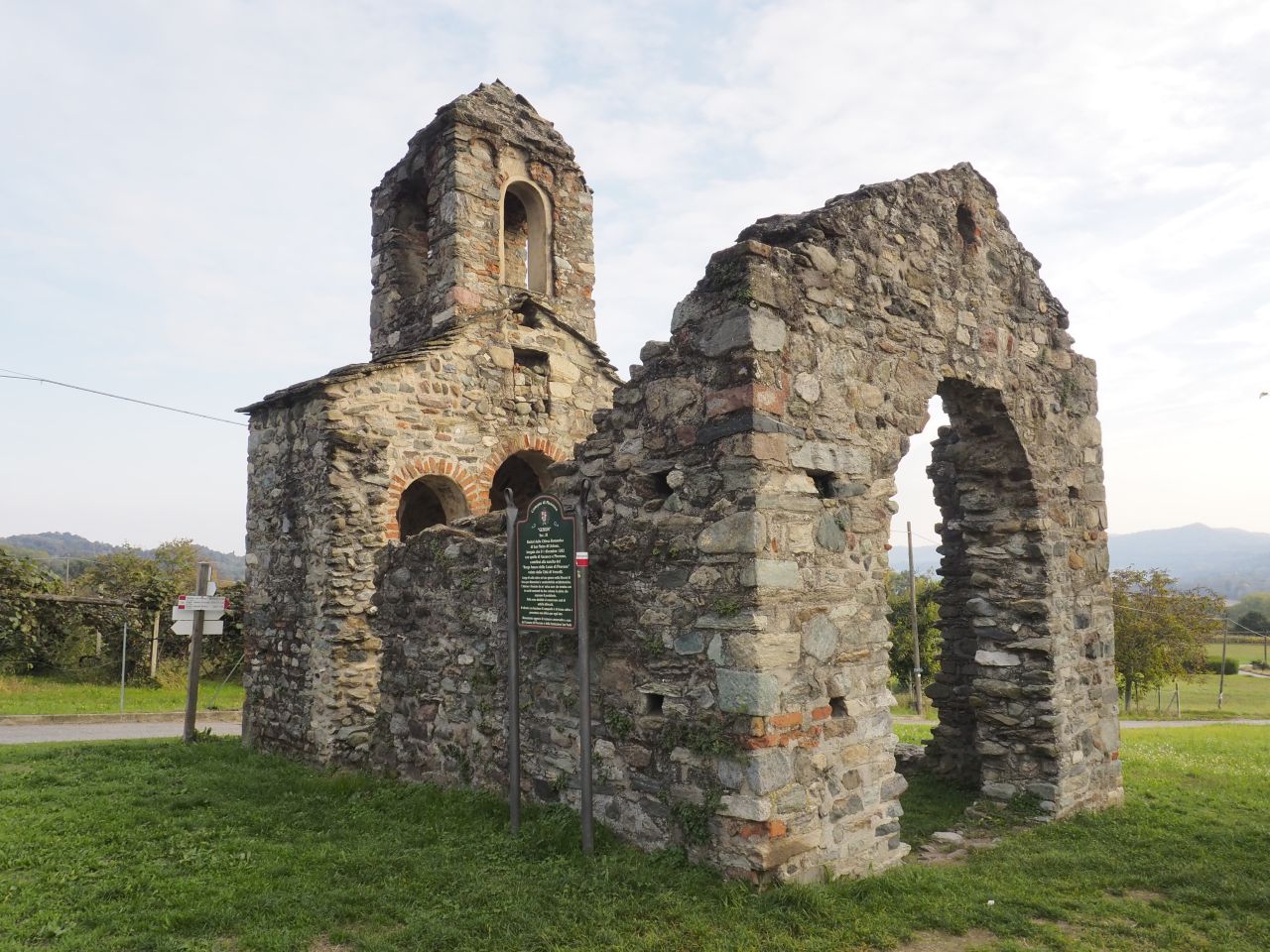
The popular name, translated into "church", ironic reference to its small size, tears us a smile, yet its presence is imposing for suggestion and history. Dedicated to St. Peter, it was the spiritual heart of the small village of Livione, which disappeared centuries ago, and today only these stone walls remain, silent witnesses of a remote era. This building is also part of the "Open Door Church" circuit, the automated narrative system that allows you to deepen the history of the places through a QR code.
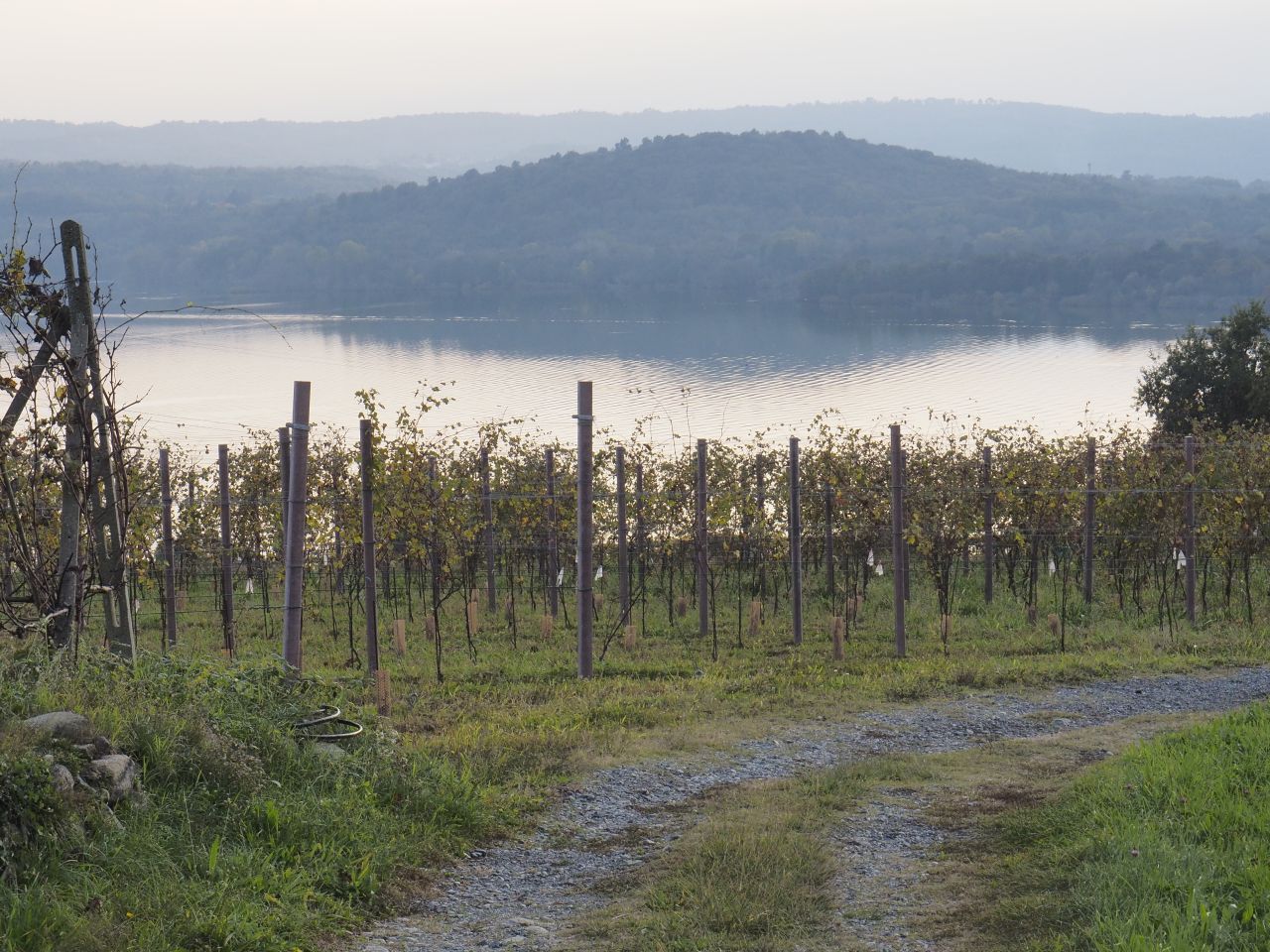
The road then gently winds through the vineyards, revealing to every curve ever broader views, opening towards the plain, the distant mountains and the sparkling mirror of Lake Viverone, where our journey ends on the Via Francigena morenico-canavesana.