Discovering the evocative route around the Sacred of St. Michael between history, art and nature, on the footsteps of pilgrims from the past on their way to Rome.
The Via Francigena in the Susa Valley, which from the hills of Monginevro and Moncenisio descends towards the Po Valley, is a fascinating variant of one of the most important pilgrimage routes in Europe. Natural corridor between Italy and France, over the centuries the valley has witnessed the passage of armies, merchants, travellers and pilgrims to Rome, who have crossed the Alps in a continuous flow of peoples, cultures and destinies who have joined the Mediterranean to Northern Europe.
In this article we cover one of the most suggestive traits of Via Francigena in Piedmont: the approach from Vaie to the Sacra di San Michele, the millenary abbey perched like an eagle's nest at the mouth of the valley, and the subsequent continuation up to Avigliana, frequented tourist resort of medieval origin lying on the banks of a blue lake.
Index of Article
Vaie, the sweet village of canestrelli
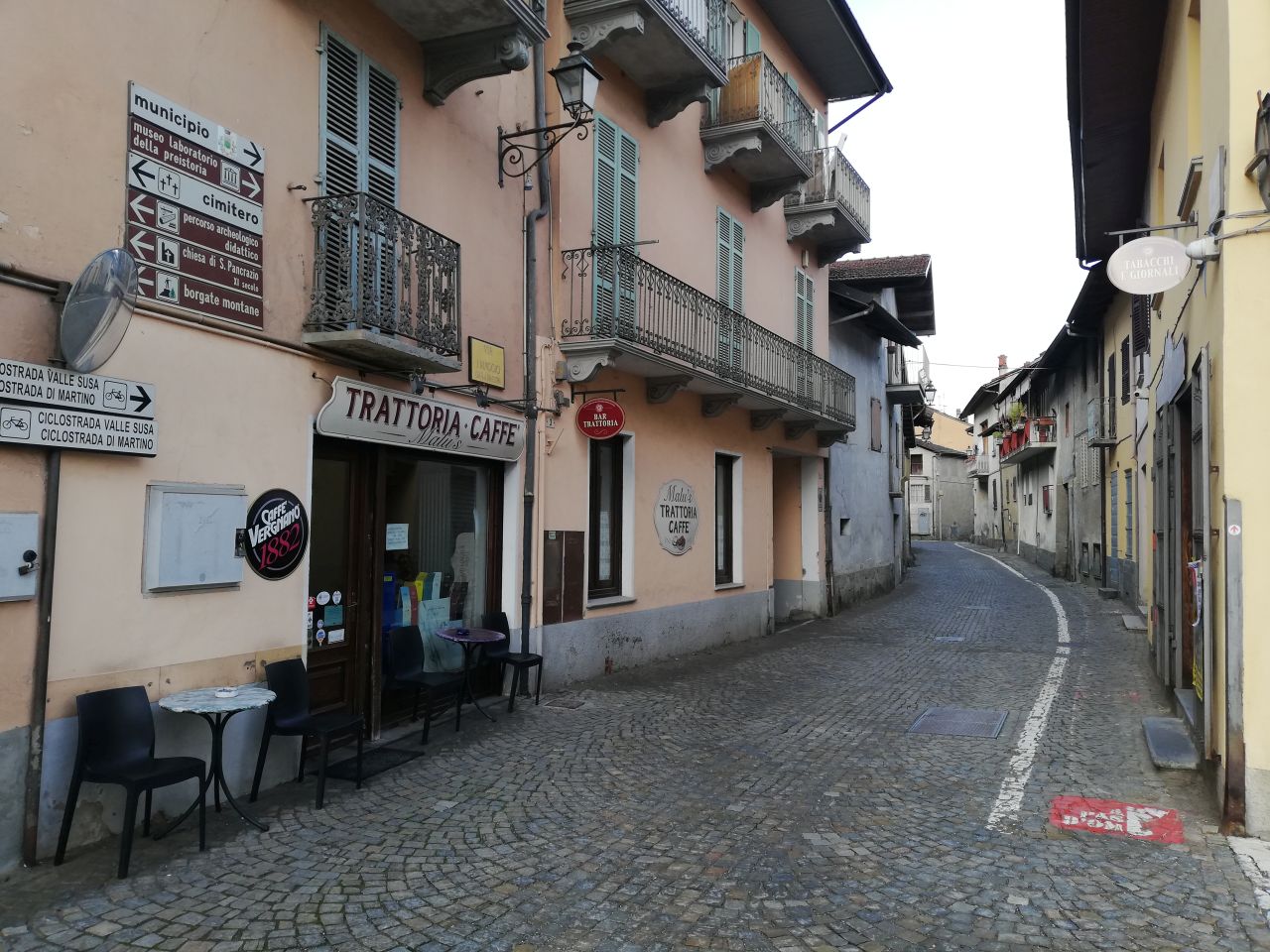
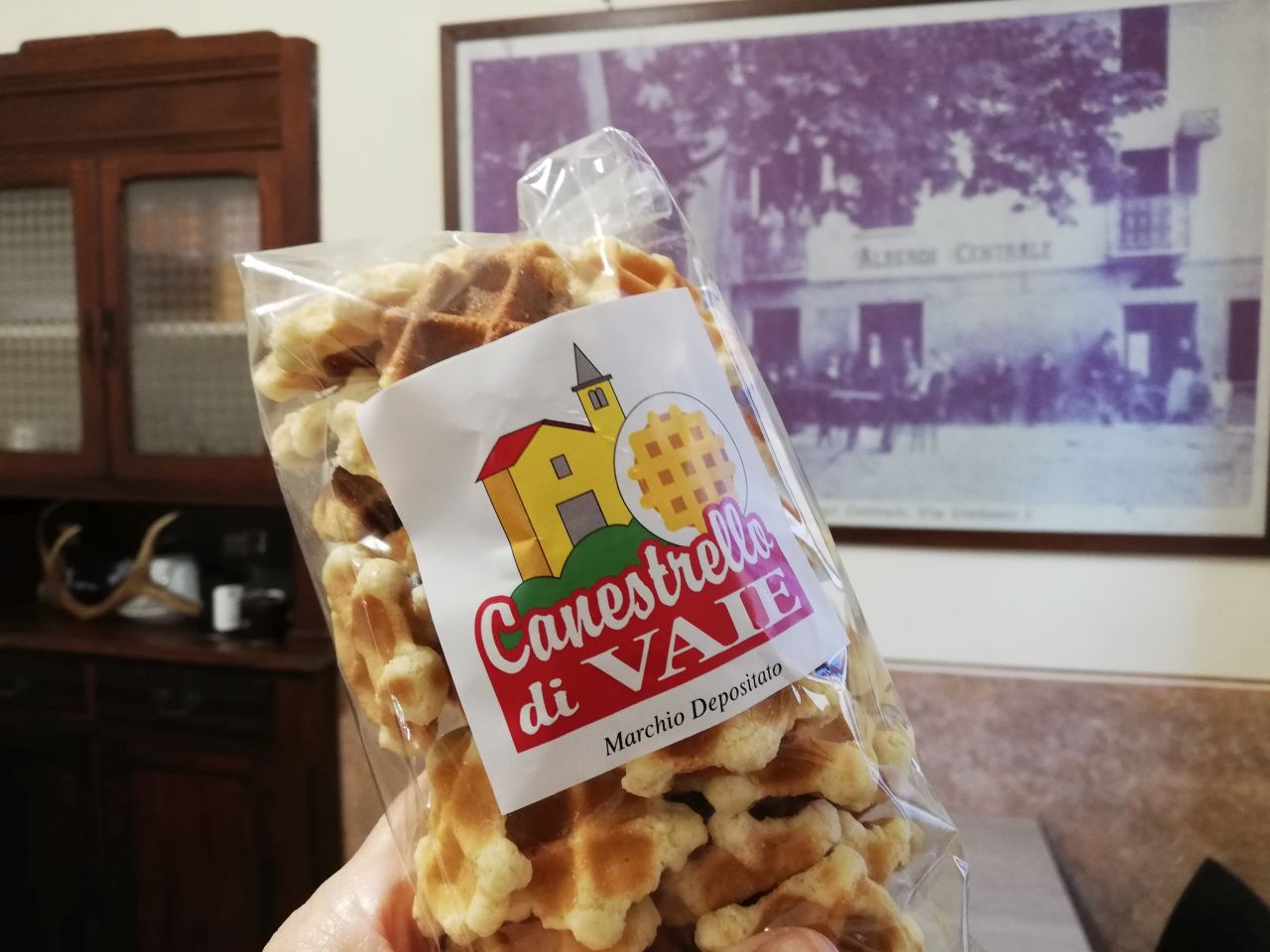
Our journey on the Via Francigena della Valle Susa begins in Vaie with a delicious breakfast in the village bar with strong coffee and canestrelli biscuits, the best way to start with the right foot the day. Golden, friable and the unmistakable aroma of citrus fruits, the canestrello is the most authentic of the small village of the lower valley. The inhabitants still prepare it as a time, sewing it on irons in rotting cast iron, with the patience and care of a rite handed down for generations. The ancient Via Francigena passes right through the center, lambendo the Sanctuary of San Pancrazio (XI century) and the suggestive Prehistory Laboratory Museum, a small casket that tells the daily life of the prehistoric man with finds found in the surroundings.
Closed San Michele and the climb to the Sacred
The road calls and leads us towards Chiusa San Michele, a name that evokes the memory of the "Longobarde Church", where in 773 the army of Charlemagne faced the troops of King Desire in an epic battle. Today the silence of the meadows remains, the profile of the mountains that embrace the valley as powerful arms. In this section, the journey coincides with a segment of Ciclovia Francigena della Valle di Susa, a cycle path for about forty kilometres from Caselette to Bussoleno.
But not only. From here also passes the variant of Via Francigena For All della Valle di Susa that winds between Villar Focchiardo and Avigliana, a project of inclusion that has made accessible to all, in particular to people with reduced mobility or with psycho-physical disabilities, a part of the journey, also available through dedicated rest areas and multisensory panels.
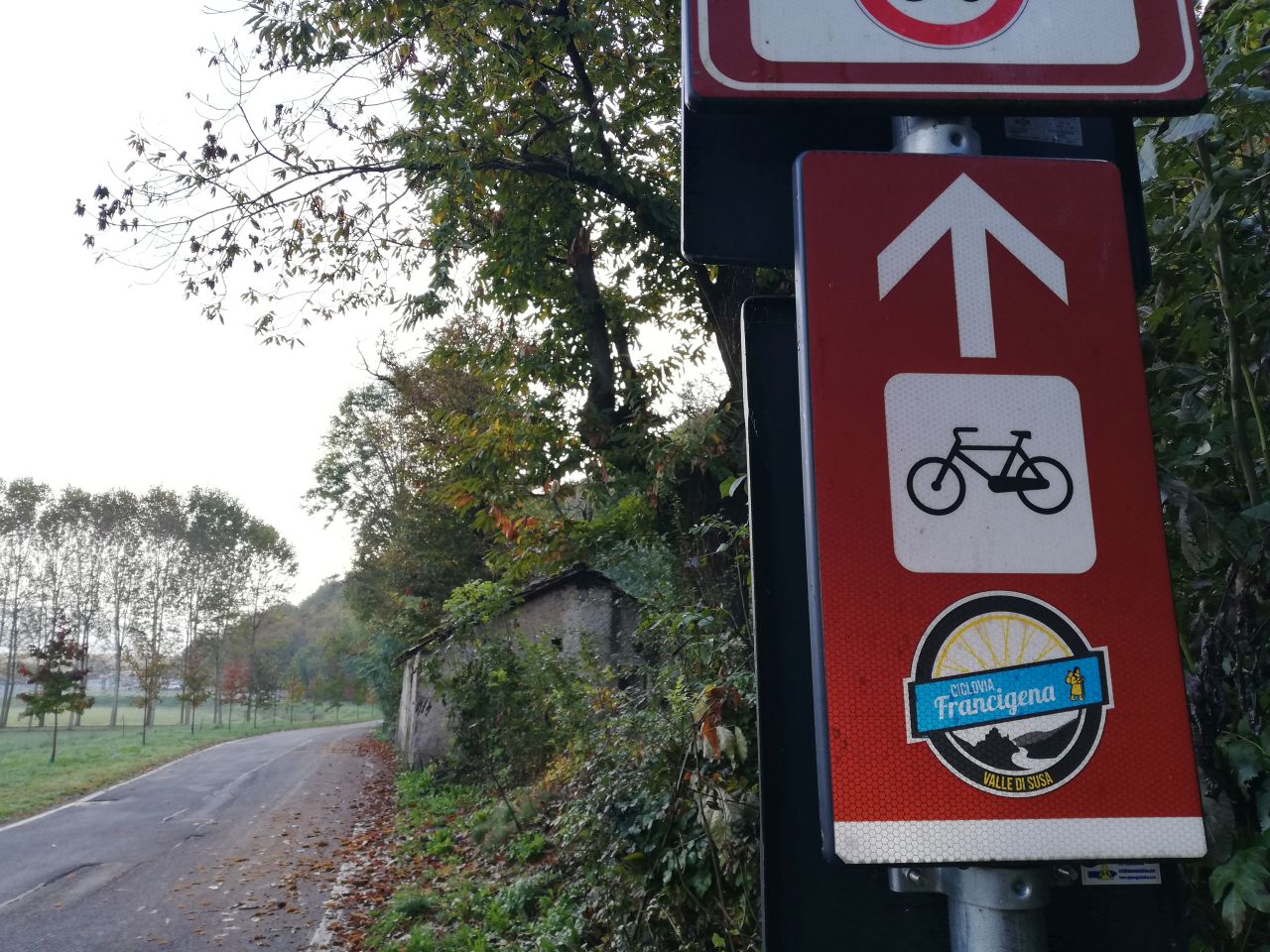
From the eighteenth century Parish of St. Peter the Apostle begins the historic mule track that is inerpic between woods of chestnuts and oaks on the slopes of Mount Pirchiriano up to the Sacred of San Michele, one of the most extraordinary Romanesque abbeys of Europe, which for over a thousand years dominates the valley as a stone sentinel, suspended between heaven and earth at 962 meters of altitude. In addition to walking along the historic path, more suitable for experienced and trained hikers and bikers, the Sacred can be easily reached by car from Avigliana or Giaveno.
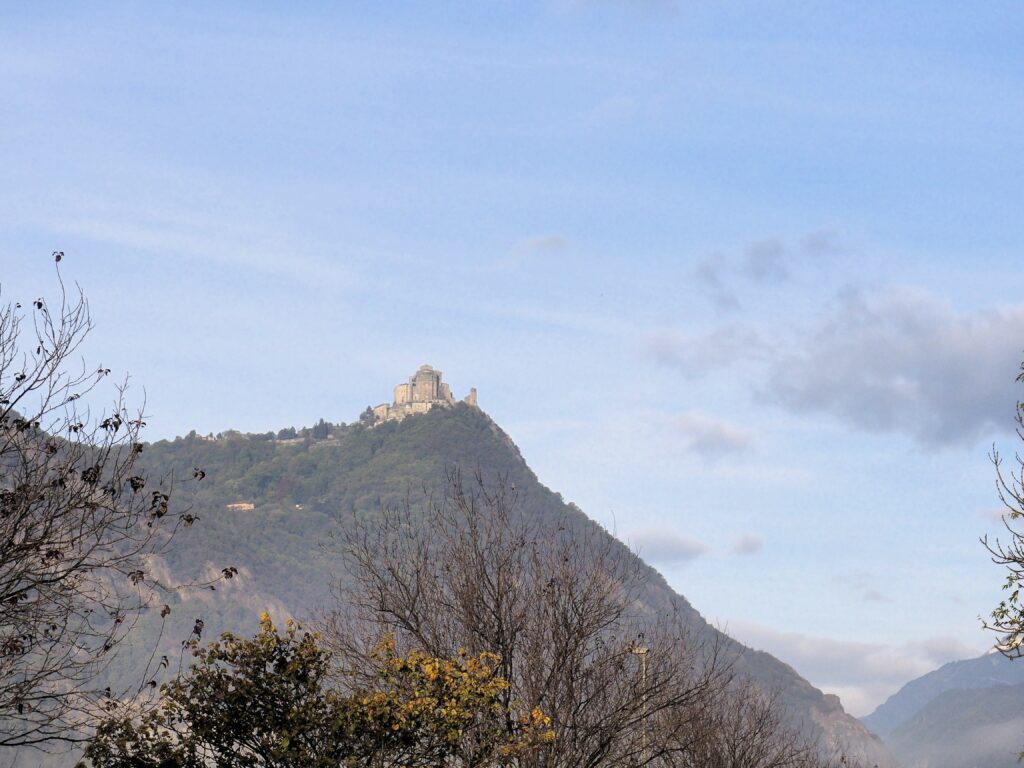
Symbol of the Piedmont Region and inspiration for the famous novel The name of the rose by Umberto Eco, is exactly halfway between Mont Saint-Michel in Normandy (France) and Monte Sant’Angelo in Puglia, along the so-called Sacred Micaelica Line, which connects the main European shrines dedicated to the holy warrior. A thousand kilometers pertaining to a sacred geometry that guided medieval pilgrims to Jerusalem, the ultimate destination of the trip to the Holy Land.
The Holy of San Michele symbol of Piedmont
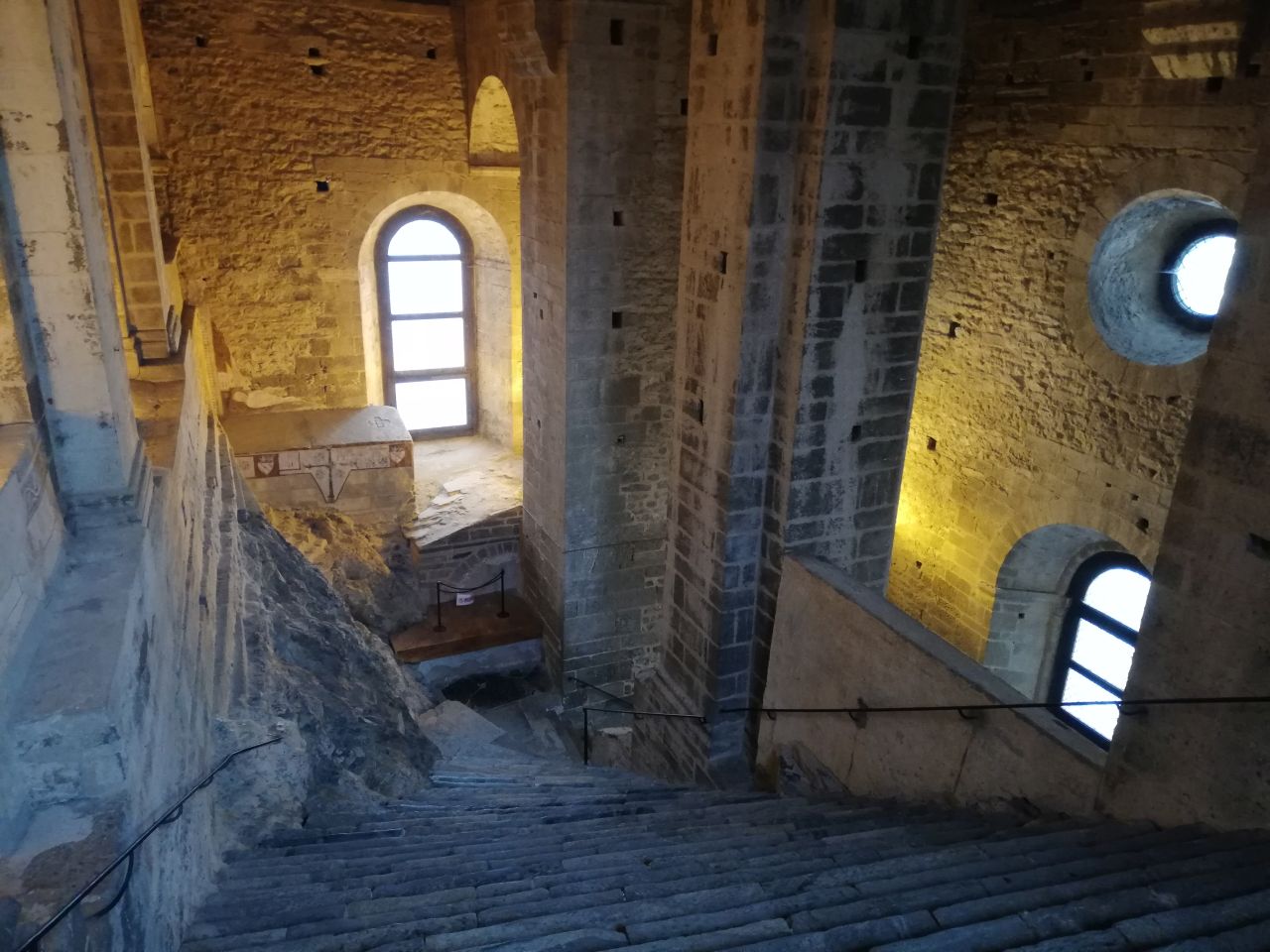
Cross the threshold, Scalone dei Morti, where once the corpses of the abbots were laid, awaits us with its dizzying ascent and a suspended, almost mystical atmosphere. A pillar of more than eighteen meters supports the floor of the church above, while on the right, a rock spike emerges from the wall as the tip of a geological iceberg. Every step is a meditation, every step approaches us to heaven.
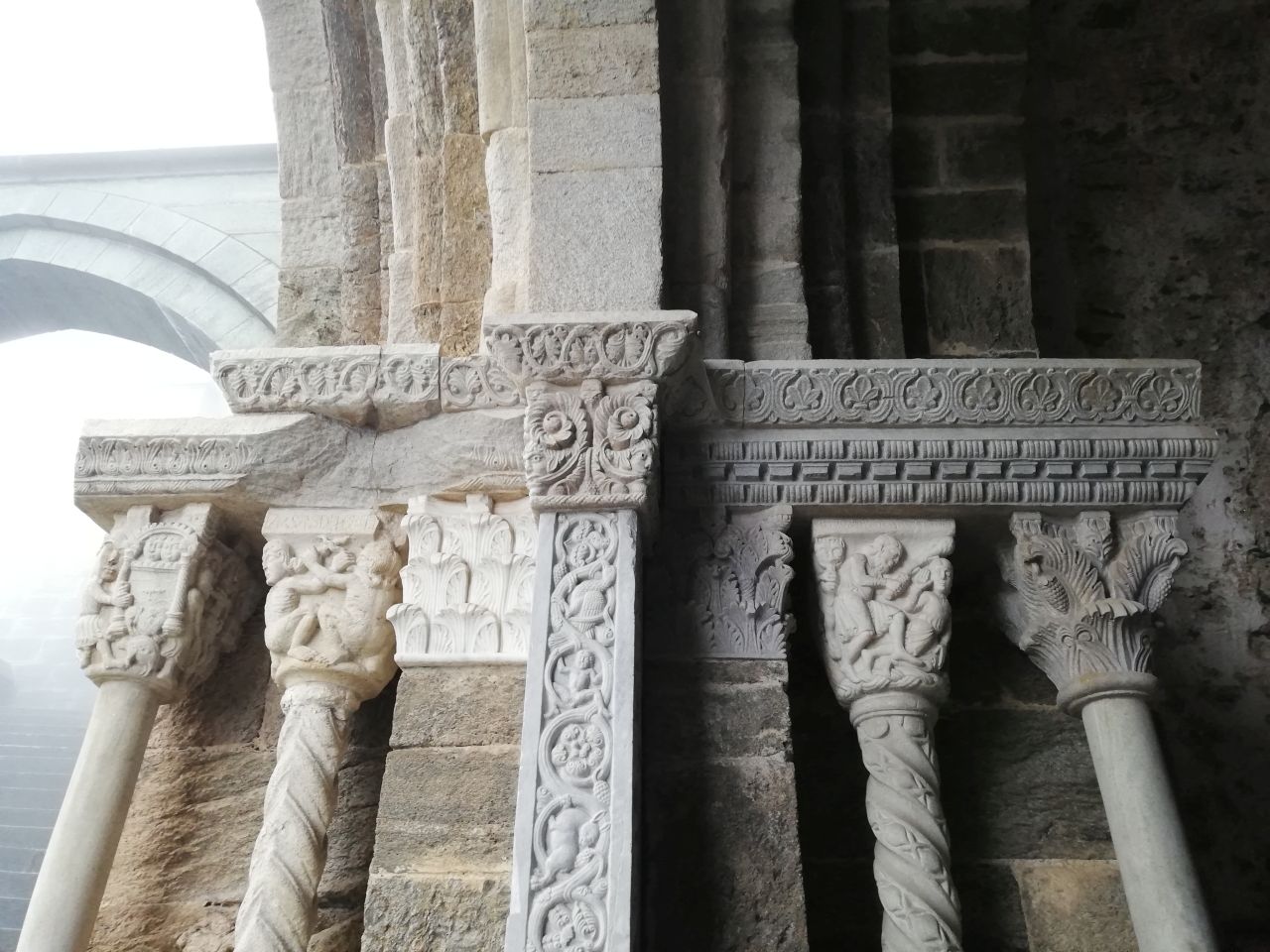
On top of the hull, the Zodiac portal It strikes us with its solemn refinement. The work of the Nicolaus Master dates back to the 12th century and shows on the stigmata the twelve zodiac signs on the right and the austral and boreal constellations on the left, practically a cosmic calendar sculpted in the stone. Still a few steps and access to the abbey church, a prodigy of Romanesque architecture, supported by powerful rampant arches.
Inside, the light filters soft, caressing works of art of rare magnificence, including the Defendente Ferrari Triptych, very precious masterpiece of the 16th century with the Madonna that nurses the Child that reveals an intimate and human delicacy. On a wall, a 17th-century fresco tells the legend of the foundation of the sanctuary, among angels, beams transported in flight and miracles of light. From the terrace, the view ranges from the ruins of an ancient monastery and a tower overhanging to the valley bottom path from the Dora that flows slowly towards Turin.
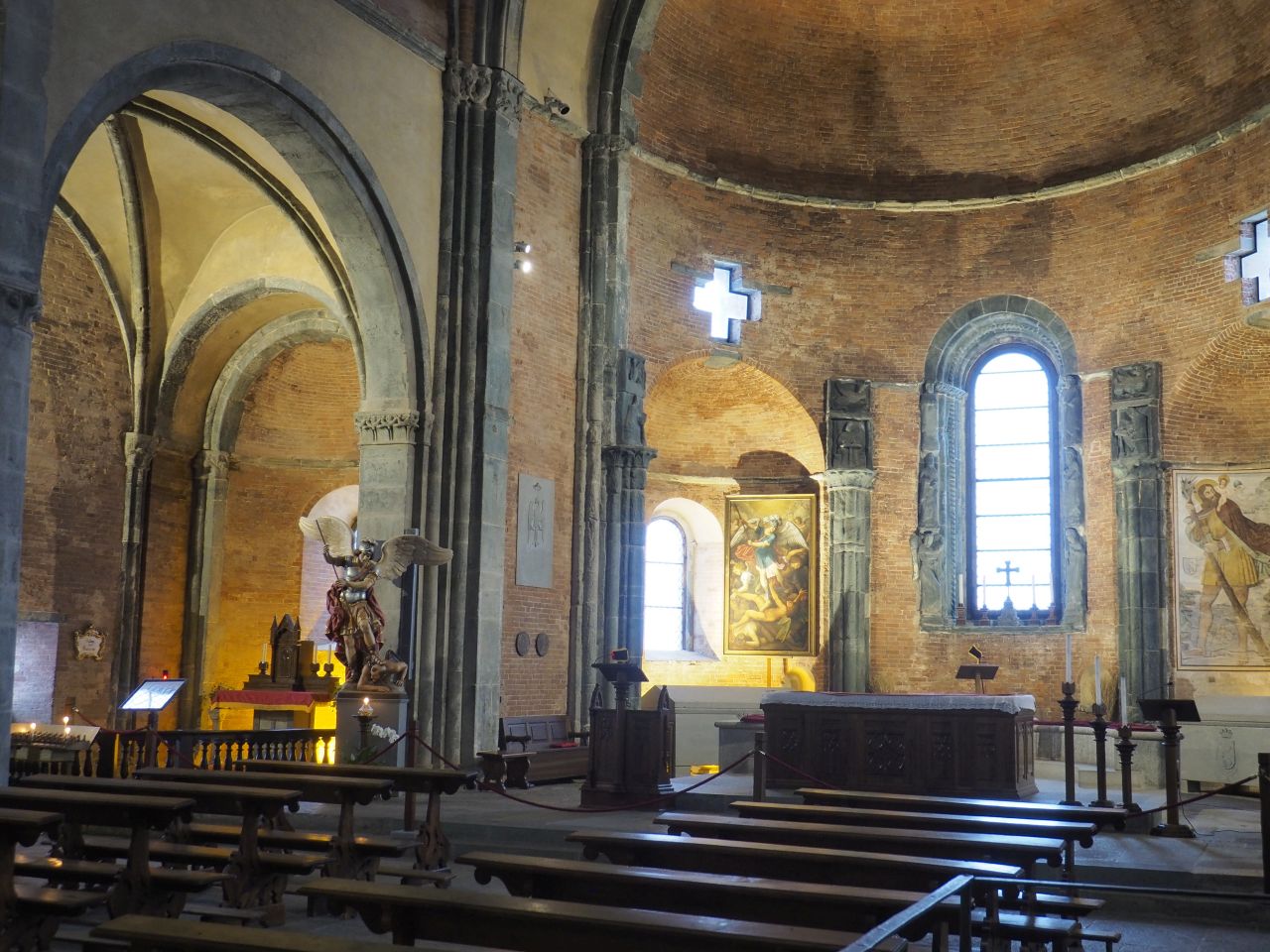
Avigliana, the city of lakes
When we go out, the Pirchiriano wind caresses us like a greeting. We look towards the plain, where the road descends sweetly to Avigliana, the ancient "door of the Alps", crossroads of trade and history. Piazza Conte Rosso is the heart of the historic center, with the Gothic arcades, the brick houses and the monumental well of the fourteenth century, while at the top, scenic and romantic, the ruins of the 10th century arduinic castle remind that here once resided the traveling court of the Savoy.
Many places worth a stop, fromOratory of Jesus, part of the circuit "Churches open doors", which allows access to sacred spaces thanks to a simple QR code, to the Church of San Pietro, custodian of frescoes that speak a timeless language, and to that of San Giovanni, where precious canvases of Defendente Ferrari are admired.
A little further, extends the Lake Grande, one of the cleanest in Italy, part of the Natural Park of the Lakes of Avigliana that preserves an ecosystem of great naturalistic value that includes hills, marshes and the two water mirrors of Lake Grande and Lake Piccolo, which are a privileged rest area for migratory birds.
One night at the Certosa 1515
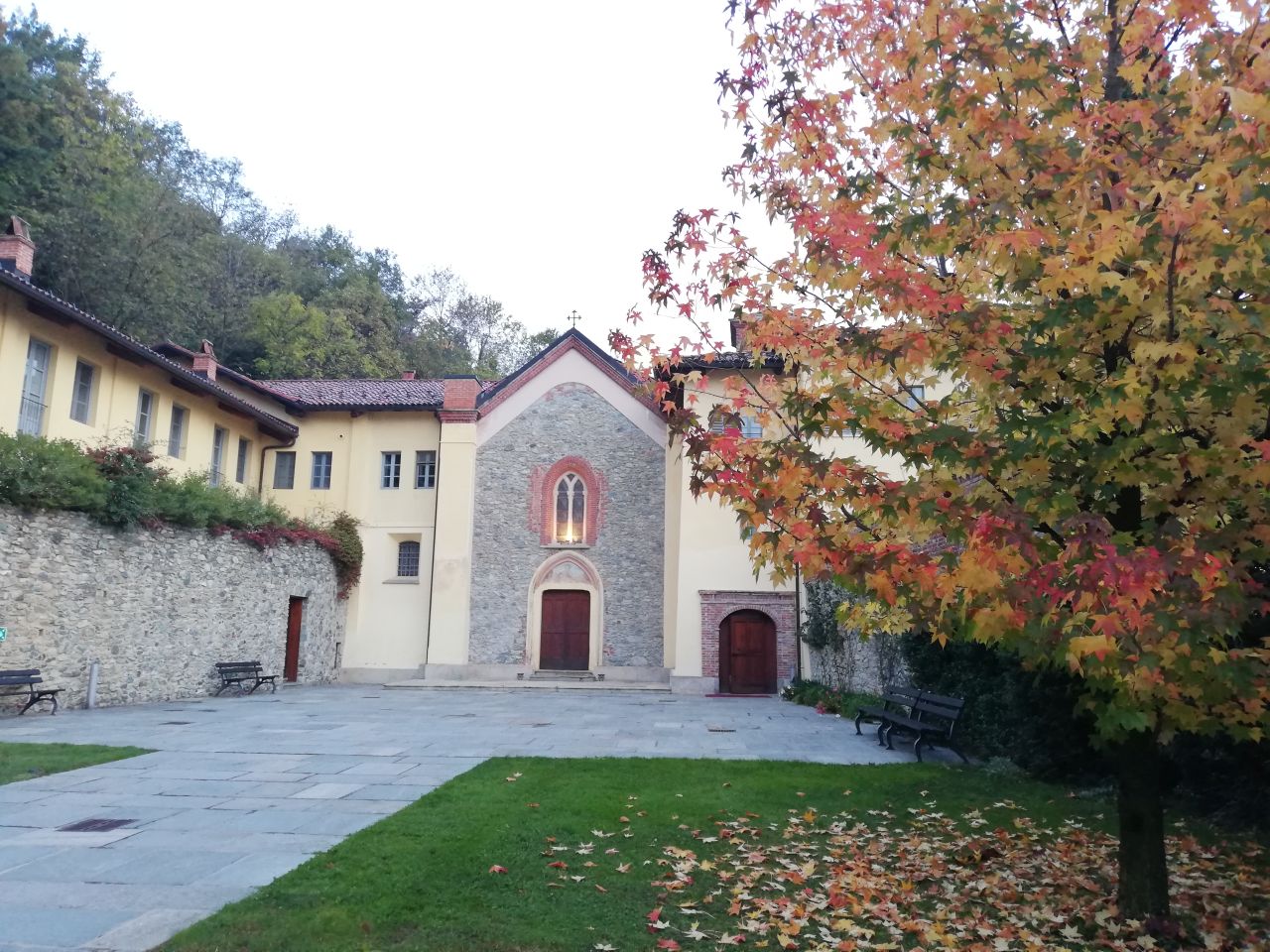
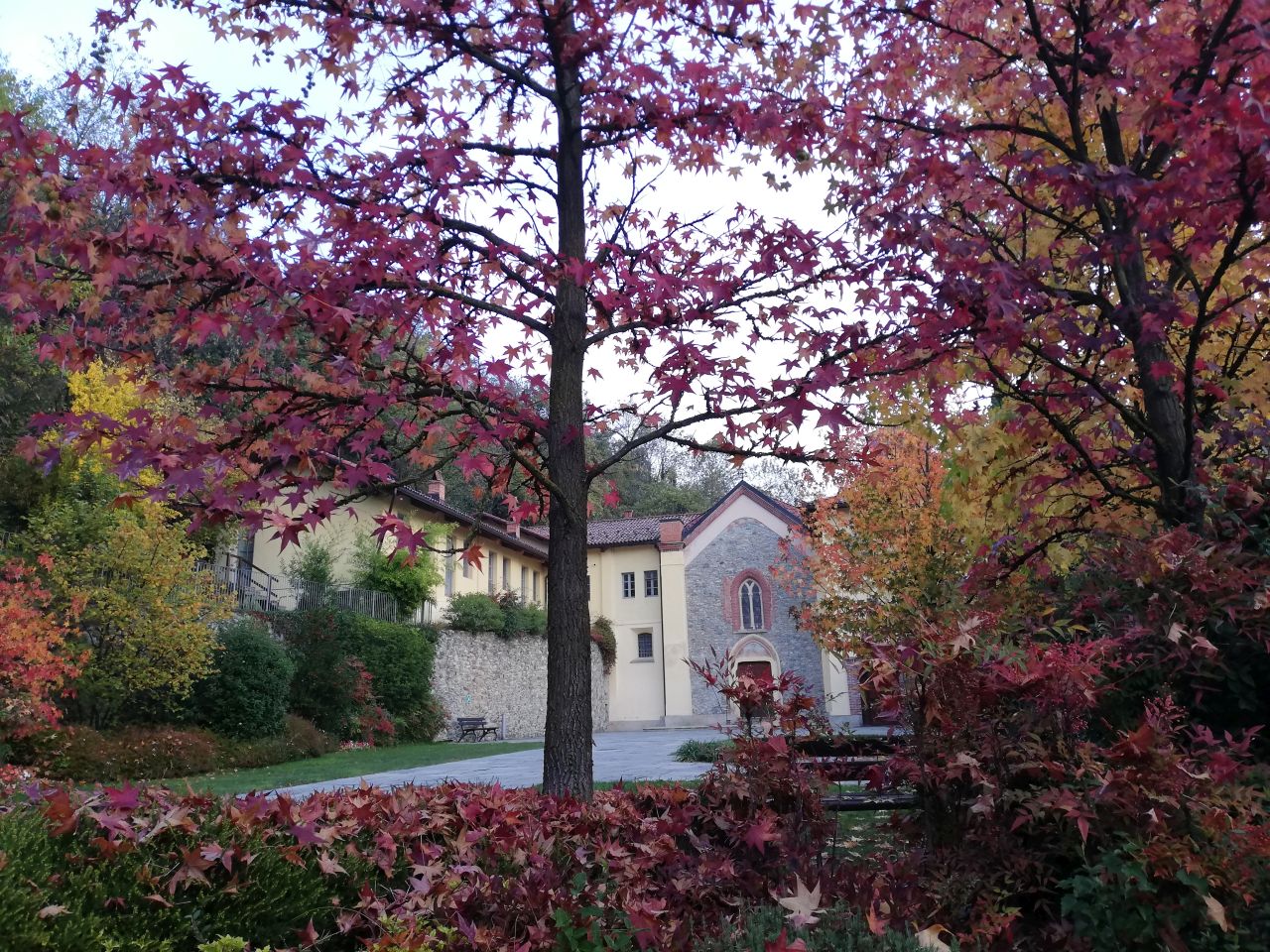
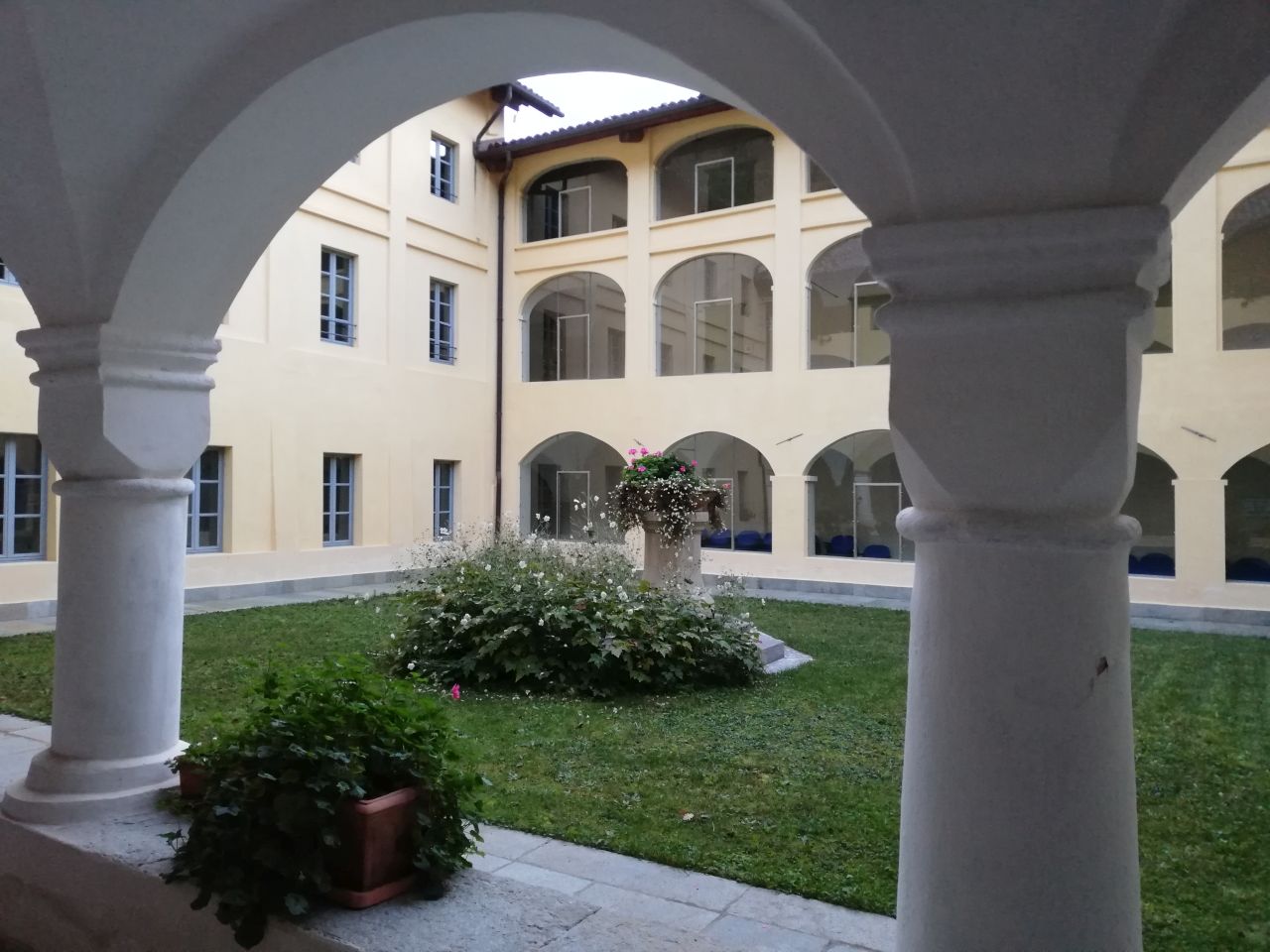
The day ends at the Certosa 1515, lying just above Avigliana, a place that seems to be done for rest and reflection. Founded in 1515, it later became a home of Certain Sisters and today reborn thanks to the management of the Abel Group, the Certosa preserves the austere soul and kind of old convents and welcomes travelers and pilgrims in an atmosphere of absolute quiet. The simple and bright rooms gathered around the inner cloister, the restaurant that celebrates the flavors of the valley with local ingredients, the silent little church, wrap the guests with a sense of peace that tastes the essential.