
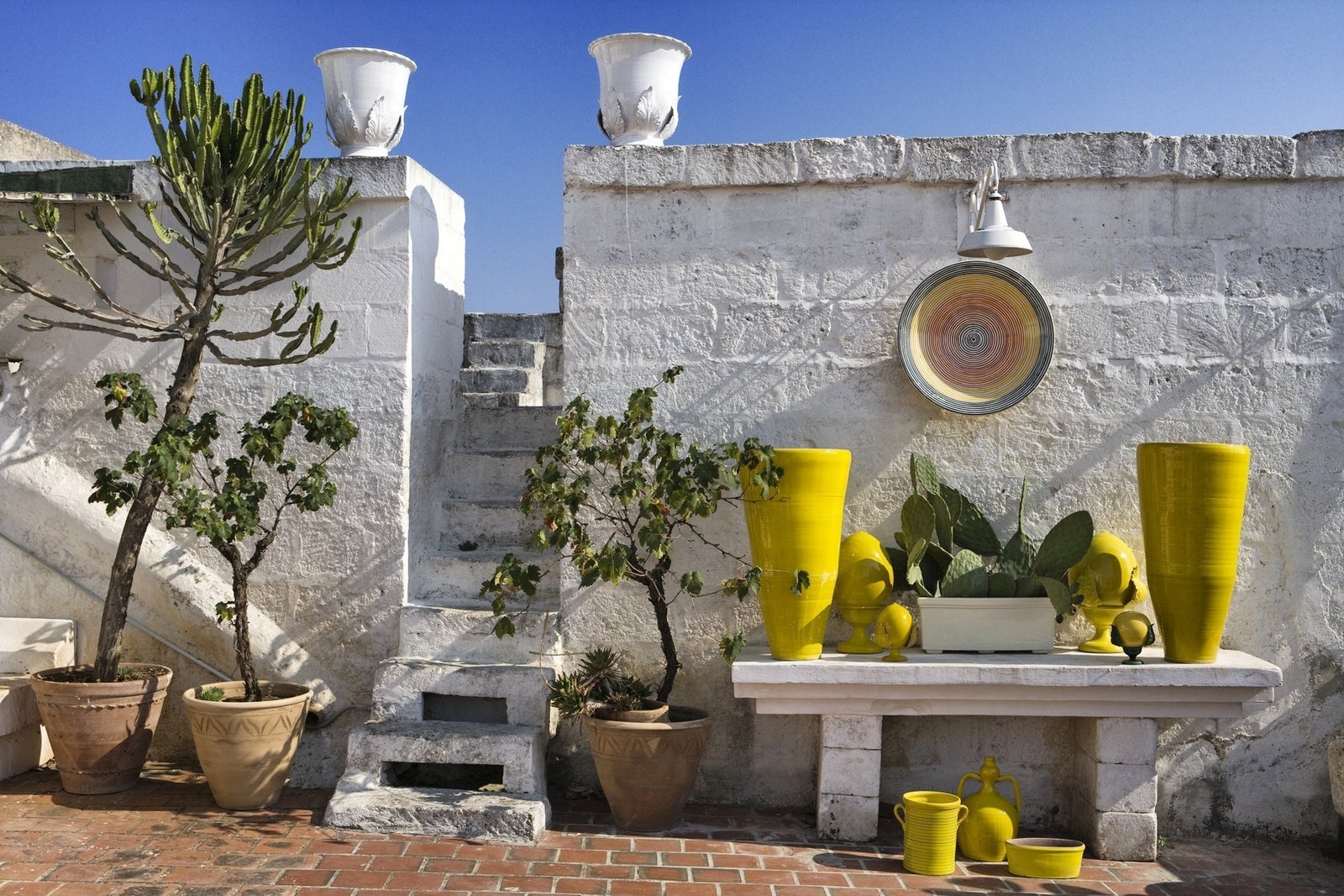
What to see in Grottaglie: visit the Ceramic Quarter, the heart of the typical handicraft of the town Puglia.
Allegre, colored, unmistakably Mediterranean, so much so that vien wants to buy them all to take home a burst of Apulian solarity. We're talking about ceramics of Grottaglie, works that testify to a historical and cultural heritage visible along the alleys of the Ceramic district.
An open-air museum, which houses the workshops of the masters and hides the ancient labs obtained in the rock. That's how Grottaglie, Cryptae aliae (many caves), welcomes its visitors. A live museum, spread over 50 craft shops, where the hands, dirty and precise, chisel and paint.
Hands stuck with clay work at the lathe. They follow the movements, its revolve, until the clay takes shape. It is from here that the terracotta works are born: pots, utensils, statues and, precisely, pumas and chicks, this prosperous and moustache.
The pumas are immediately noticed on the balconies of the city. The odor (♪, in the local dialect) is, in fact, a kind of clay ampoule in the form of bud, colored or decorated, in an intense way. Blue, red, white, green, yellow ocher. It's a blooming rose. The new one coming. A sign of good wishes and prosperity to give to those who love you. It is one of the typical achievements of the grottoes ceramists, which decorates railings and stones of the ancient historical center, as a sign of luck and prosperity.
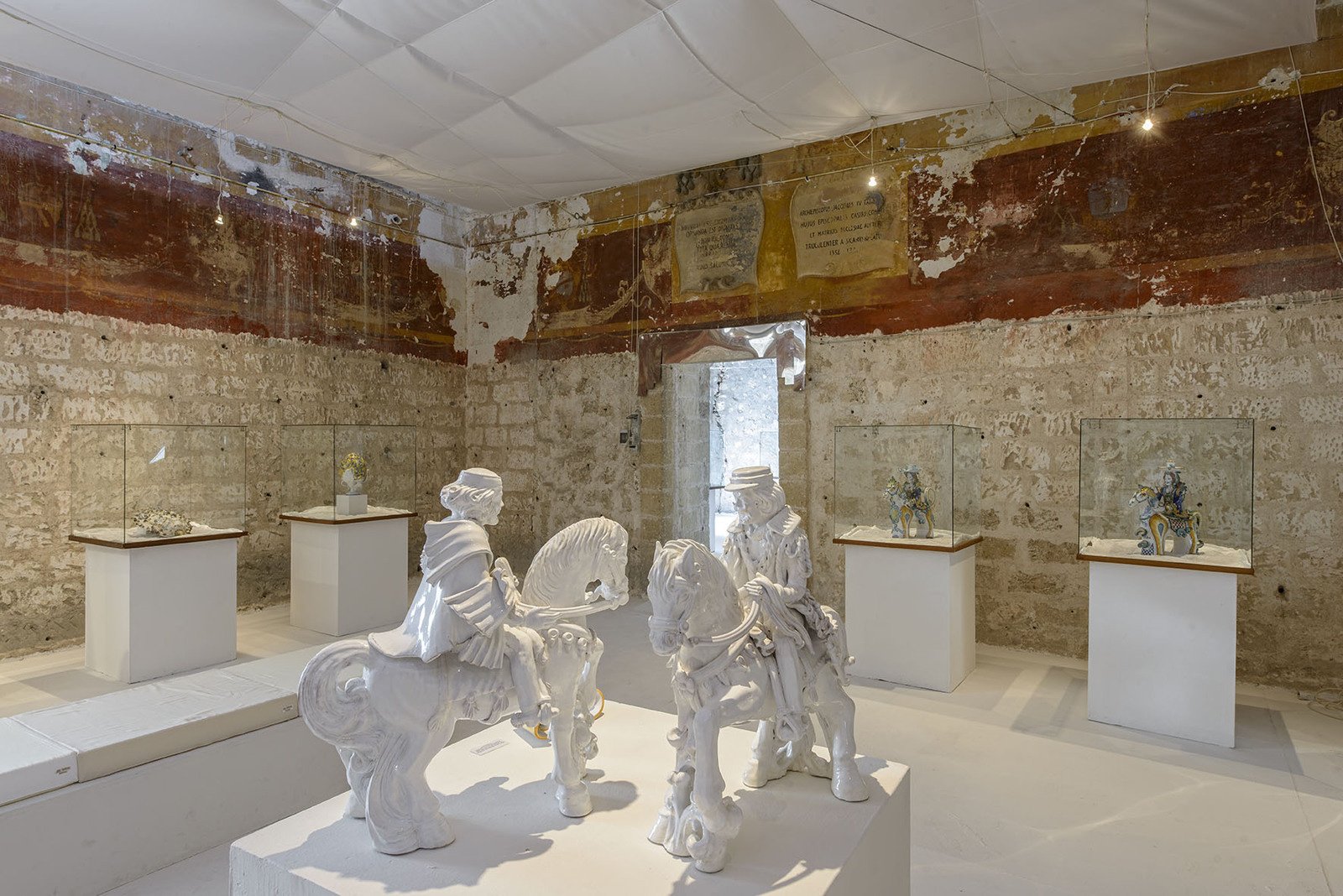
Grottaglie il Quartiere delle Ceramiche
But walking through Grottaglie in the Ceramic Quarter, observing the work of its ceramists, you can only notice the many Pupe with the mustache displayed in glassware and living rooms. The master grottoes make them in the form of an anthropomorphic bottle. Behind this figure is a story, mixed with legend, of the sixteenth century, which tells of the peasant who lived perfectly as a woman, to present himself in the presence of the mister, intent to exercise with the bride of the peasant, the much hated Ius primae noctis. The intention of the laborer was to turn out to the noble at the right time, to make him a knife.
The attack did not materialize, because the mister noticed nighttime of the mustache forgotten by the boy in disguise. The tense ended well, to wine, in fact, the best produced by the farmer, to be given every year to the noble, as a pledge, in exchange for his life and the honor preserved of his bride. From here, these large hand-painted terracotta works that reproduce the Pupa, that is to say the farmer dressed as a woman, baffuta.
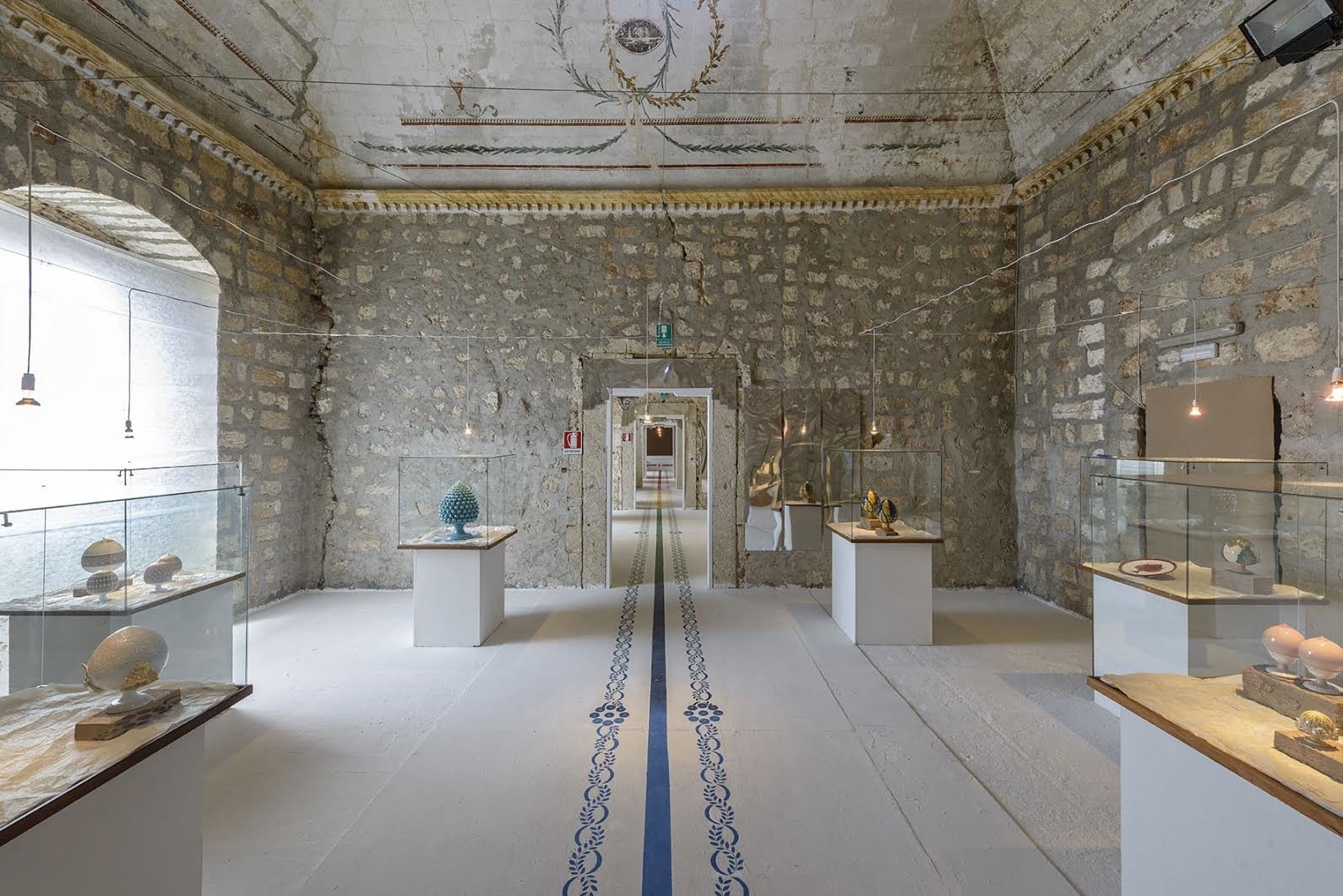
The city offers visitors a unique scenario. It is enough to look out and walk through the narrow streets, which gather on the hill in which the Neighborhood was built thousands of years ago from the rock, to know closely the technique of real artists able to try traditional tools such as to innovate through works of absolute artistic value, experimenting techniques, shapes and colors.
To learn more about this art that has its roots even in Magna Grecia, do not miss the Museum of Ceramics, with its five sections that preserve the local artisan tradition, in the fourteenth century Castle Episcope, that until 18 September also hosts the beautiful Exhibition of Ceramics dedicated to the Suggestions and Colors of Puglia.

