
Discovering the cuisine of Cappadocia, which with eighteen restaurants, a star and a millennial gastronomic heritage has become the fourth star destination of Turkey.
There is a moment, at dawn in Cappadocia, in which the world seems hand painted. The balloons rise slowly among the fireplaces of the fairies, the sun burns the volcanic rock of rose and gold, and the silence has the weight of the millenary stone. It is in this lunar landscape, where nature has carved cathedrals and labyrinths in the tuff, which today the earth tells a new story. And it does it through the flavor.
With the 2026 edition, MICHELIN Guide opens the doors of Cappadocia in the world of high international gastronomy. It is not only the entrance of a new region among the star destinations, but the recognition of an entire cultural universe made of deep roots, wise hands and a kitchen that still knows about land, time and memory.
Index of Article
The food of Cappadocia
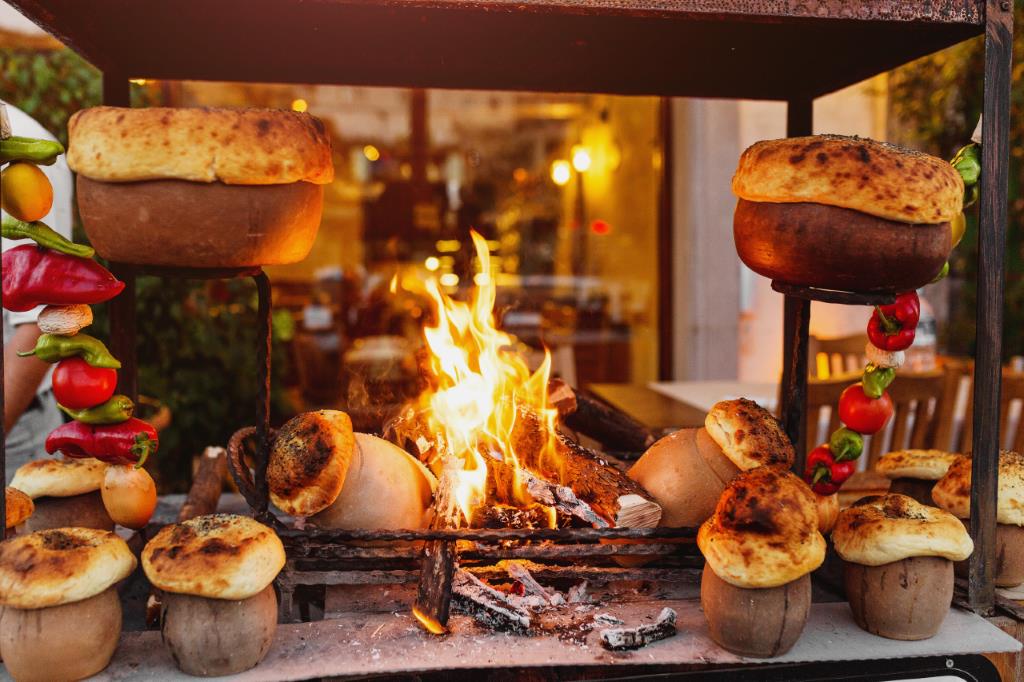
Cappadocia has never been just a scenography. Behind its iconic rock formations lies a rich and ancient agricultural ecosystem: vineyards dating back to the time ittita, family gardens jealously guarded, tandır ovens still lit after centuries. Here the landscape is not to be contemplated: it is to be tasted.
The eighteen restaurants selected by the MICHELIN Guide tell this deep intimacy between man and nature. They are places where the vegetables still taste the season that brings them, where the legumes cook slowly as the peasant tradition wants, where each dish brings with it the patient rhythm of the earth volcanic.
Ancient waxes, dried fruit, discreet spices that do not overstate but accompany. The cuisine of Cappadocia is a gastronomic dialect that is finally recognized as a universal language.
The ritual of the kebabı texts
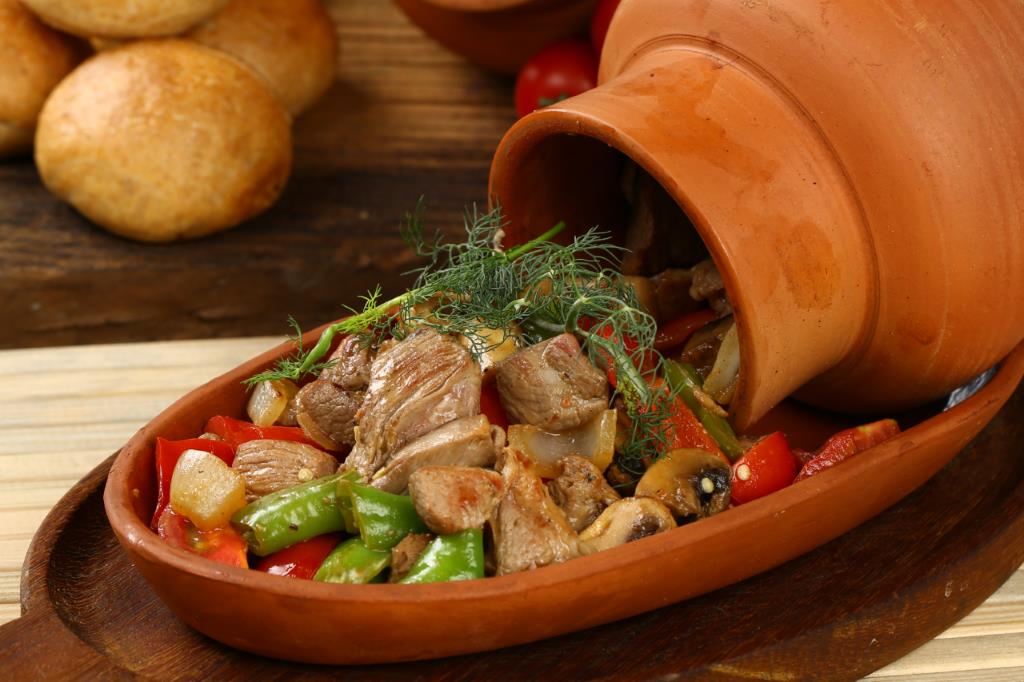
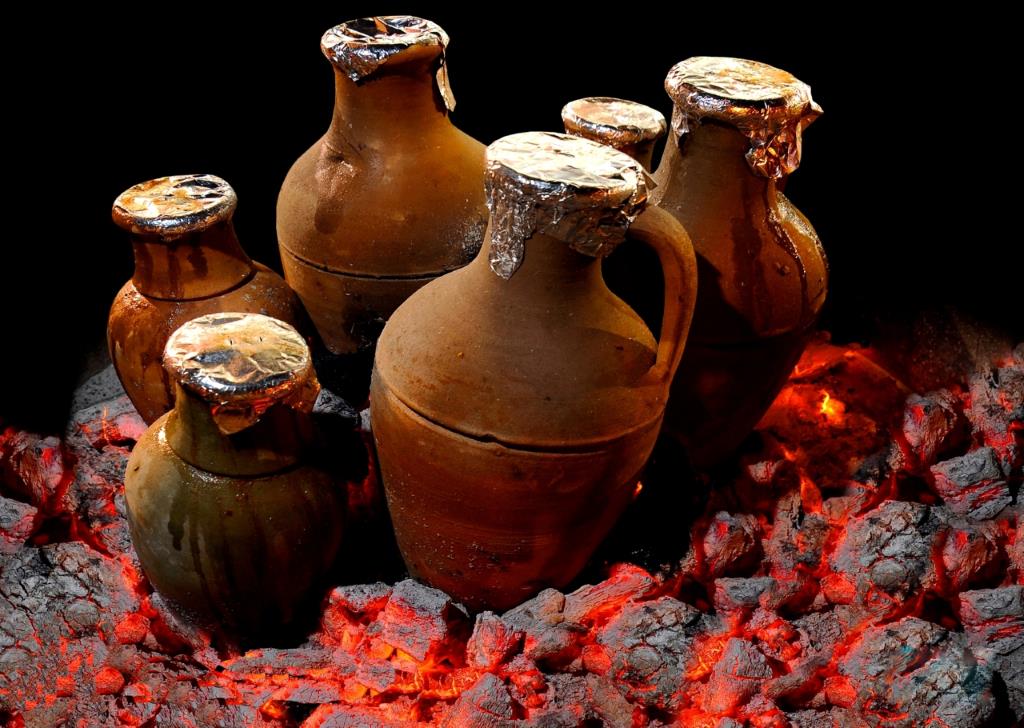
There is a theatrical moment, in the restaurants of Cappadocia, that no traveller forgets. The waiter arrives at the table with a sealed terracotta pot, produced in Avanos according to millenary techniques. With a strong gesture, it breaks it in front of guests. Steam salt dense, fragrant meat, spices and time. It is the kebabı text, culinary symbol of a territory that has made patience an art.
Inside the pot, cooked for hours in the oven tandır, there is much more than a stew: there is the wisdom of those who know that the best flavors are born from waiting, from slow cooking that transforms simple ingredients into something sublime. Sweet meat, vegetables that thrive at the touch, a thick and deep broth.
All to taste are then the preparations that speak of seasons and parties: the kayısı yahnisi, where the sweetness of apricots dry meets the meat in an unexpected embrace; the stuffed quinces, autumn treasures filled with ground meat and dried fruit; the ağpakla, humble and royal at the same time, with white beans cooked in terracotta until they become creamy.
From the vineyard to the table: the breath of the volcano
The volcanic soil of Cappadocia hides an enological secret. The high altitude, the thermal excursions that discover the days, the porosity of the rock: everything contributes to creating wines of character, intense and minerals like the landscape that generates them.
The Emir is the symbol grape, white and bright, able to give fresh wines from the crystalline acidity that perfectly interact with the robust flavors of the local cuisine. Next to him, autochthonous vines like Boğazkere and Narince complete a wine card that is also a map of the territory.
And then there's cheese. Seasoned in the natural caves that made the region famous, like the legendary Divle Obruk, or blue and creamy like the Niğde Mavisi, are narrative ingredients that connect the present with an ancient dairy tradition as the underground cities.
A star that illuminates the past
In the heart of the historic district of Kayakapı, UNESCO World Heritage Site, is located Revithia. It is the only star MICHELIN of Cappadocia, and represents the highest point of a gastronomic journey that starts from memory to arrive at the contemporary.
Here, between carefully restored volcanic stone walls, almost forgotten anatolian recipes reborn with lightness and technical precision. The seasonal menu is a continuous dialogue between roots and innovation: local ingredients treated with respect, modern techniques applied with discretion, dishes that surprise without ever betraying the identity of the territory.
The convivial soul of the Bib Gourmand
But authentic Cappadocia also lives elsewhere. In the Bib Gourmand selected by MICHELIN Guide cleans the daily heart of the region: family houses turned into restaurants, where the domestic gardens become menus and wood ovens mark time.
From Babayan Evi, where recipes are handed down from mother to daughter, Tabal Gastronomy, cultural project that recovers ancestral flavors, up to Aravan Evi with its familiar atmosphere: these places tell a plural, accessible, deeply true Cappadocia.
Here we taste the coats, tiny stuffed ravioli served with garlic yogurt and spicy butter; fragrant böreks, crispy layers of fillo paste filled with meat or vegetables; the leaves of stuffed vines talking about vineyards at sunset. Every dish is a gesture of hospitality, every table an invitation to feel at home.
The final dessert, a tradition to celebrate
Like every great gastronomic tradition, the cappadocian also closes with sweetness. Cooked figs slowly in the butter until caramelized, sweet dessert of cinnamon, rustic halva like dolaz, prepared for special occasions.
And then there is the baklava "Damat" by Ürgüp, reserved for weddings and great celebrations: very thin layers of fillo paste, chopped dried fruit, honey syrup. A sweet that knows about feast, community, moments that deserve to be remembered.
A new geography of taste
The entrance of Cappadocia in the MICHELIN Guide 2026 is not only a gastronomic milestone. It is the recognition of a complex cultural system, where agriculture, crafts and cuisine have been interwoven for millennia in a perfect balance.
After Istanbul, İzmir and Muğla, Turkey reveals a new face of its culinary wealth. A face made of volcanic stone and ancient vineyards, of tandır ovens and terracotta pots, of recipes that have crossed the centuries keeping intact their soul.
Today Cappadocia is not only a landscape to be photographed from the top of a balloon. It is a territory to cross slowly, table after table, taste after taste. It is a land that has learned to tell yourself also through the taste, with the same skill with which he has always carved the stone: with patience, respect and a beauty that leaves breathless.
And when the sun sets behind the fireplaces of the fairies, dipping red the valleys of Göreme, and the smell of freshly baked bread mixes with the smell of meat cooked in tandır, it is understood that some trips do not measure in kilometers, but in tastes. In stories that tell at the table. In flavors that become memory. The Cappadocia entered the great geographical map of world taste. And there’s a bet, it won’t come out.

